
Photo: Kenshin Wang
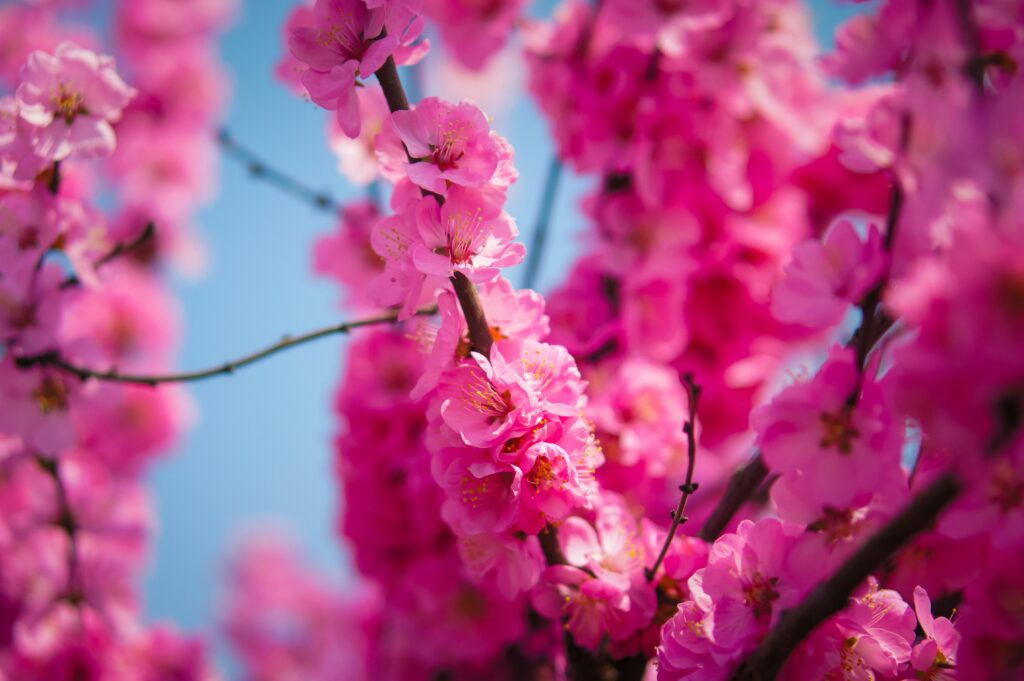
Spring is back in China, and that means blooms and flowers!
Whether it’s the ever-popular cherry blossoms, similarly-captivating plum or peach blossoms or even vibrant shades of canola, tulip and hydrangea flowers, China has plenty of captivating blooms.
So without further ado, here’s our guide to the 9 spring blooms of China.
Cherry Blossoms
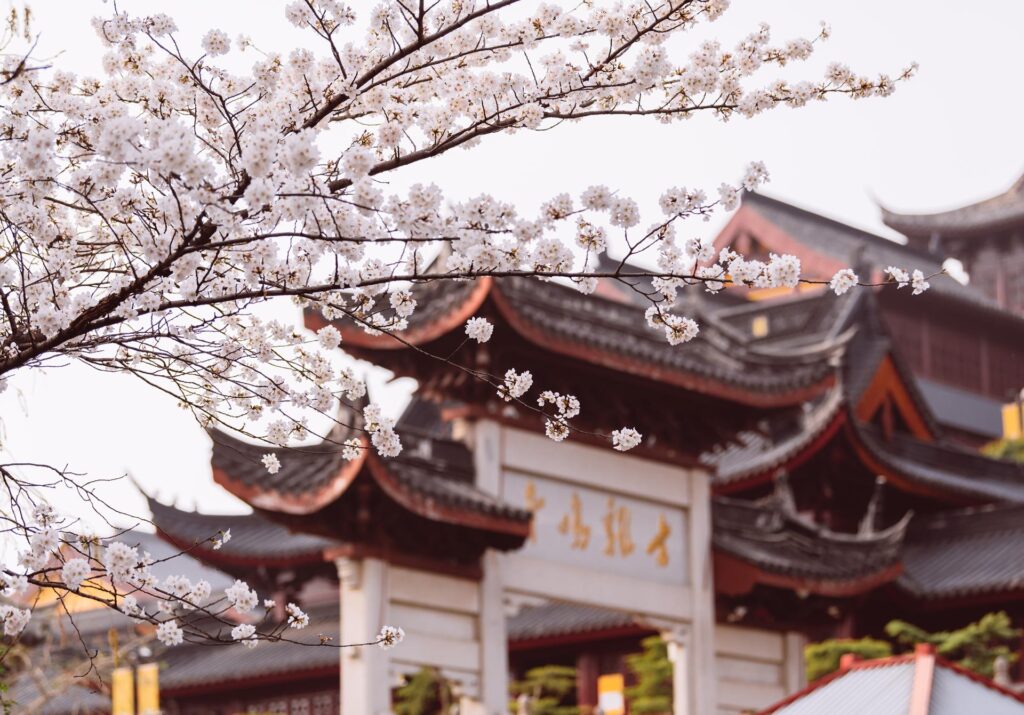
Photo: Go Nanjing China
Chinese Name: 樱花 (yinghua)
When: Late February – Early April
Where: Nanjing (Jiming Temple), Wuhan (East Lake Cherry Blossom Garden)
A spring classic in East Asia, China’s cherry blossoms can be found pretty much anywhere – from the ancient capital of Nanjing to even Central China in Wuhan.
Although not as culturally and historically significant in Chinese culture as the plum blossom, its brilliant, branching clusters of notched-shaped petals have drawn many local and overseas travellers.
Peach Blossoms
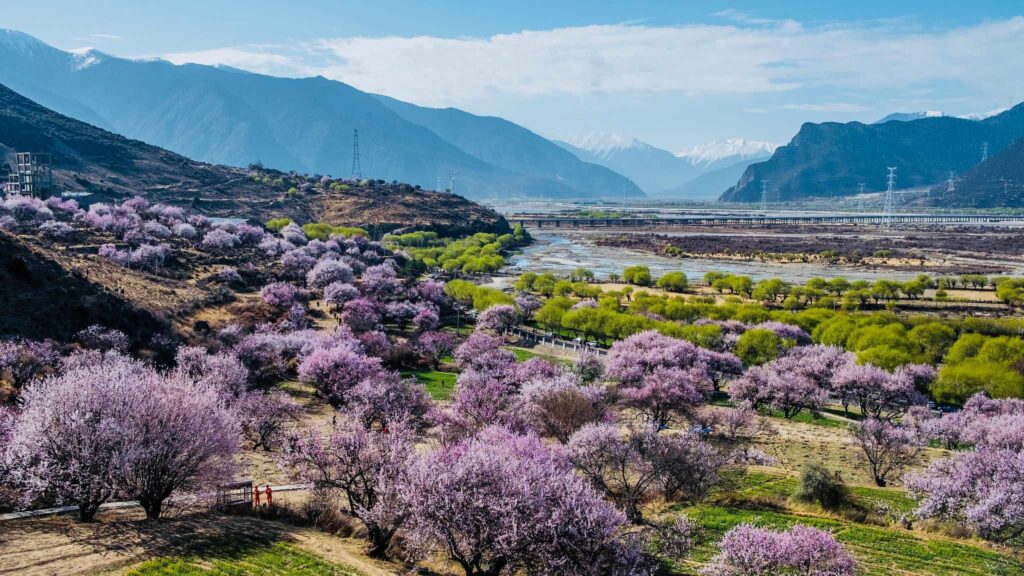
Photo: CGTN
Chinese Name: 桃花 (taohua)
When: Mid March – Mid April
Where: Nyingchi, Lhasa, Beijing (Pinggu)
The peach blossom is a close cousin to the plum and cherry blossoms, with its pairs of blooms and relatively short offshoots being its only distinctive features.
The peach blossom is frequently invoked in the term Taohuayuan (桃花源) or “Peach Blossom Spring” – the Chinese equivalent of Shangri-La called.
Its twin blooms can be found mainly in the far western regions of China in Tibet or in northern climates like Beijing.
Plum Blossoms
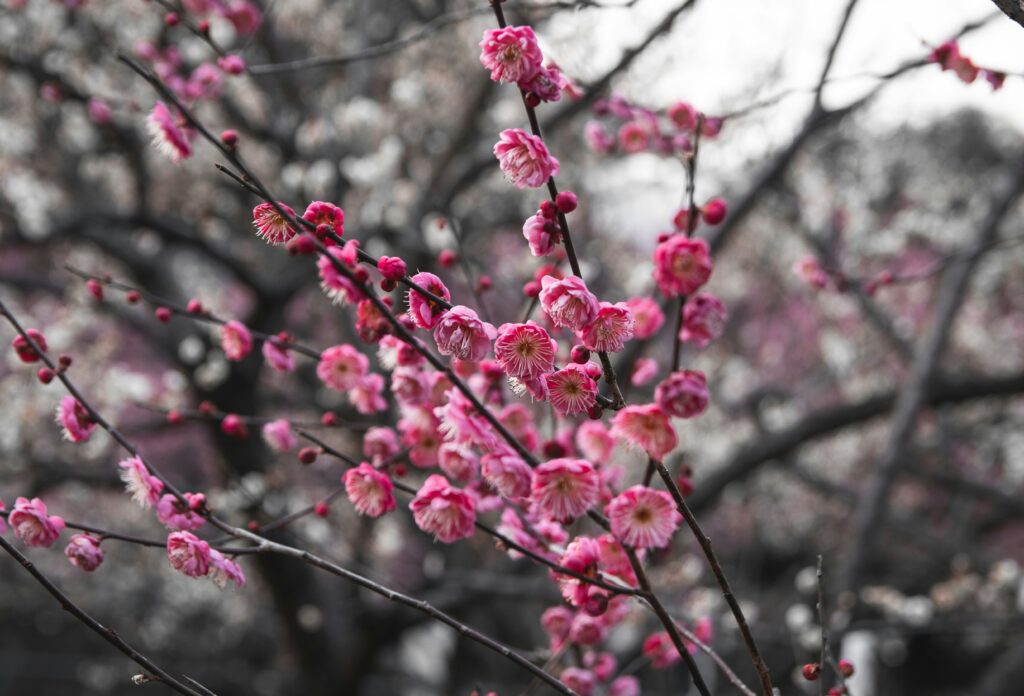
Photo: Di Weng
Chinese Name: 梅花 (meihua)
When: Mid February – Mid March
Where: Shanghai (Shanghai Chenshan Botanical Garden), Shenzhen (Maluan Mountain Country Park)
Thanks to its hardiness in winter and longevity, the plum blossom has been cultivated and celebrated in China for centuries, being frequently used as a motif in art and even as an ingredient in cuisine.
Its vivid red or white petals and proud, individual blossoms can be found in the coastal regions of China, particularly close to its origins around the Yangtze River.
Peony
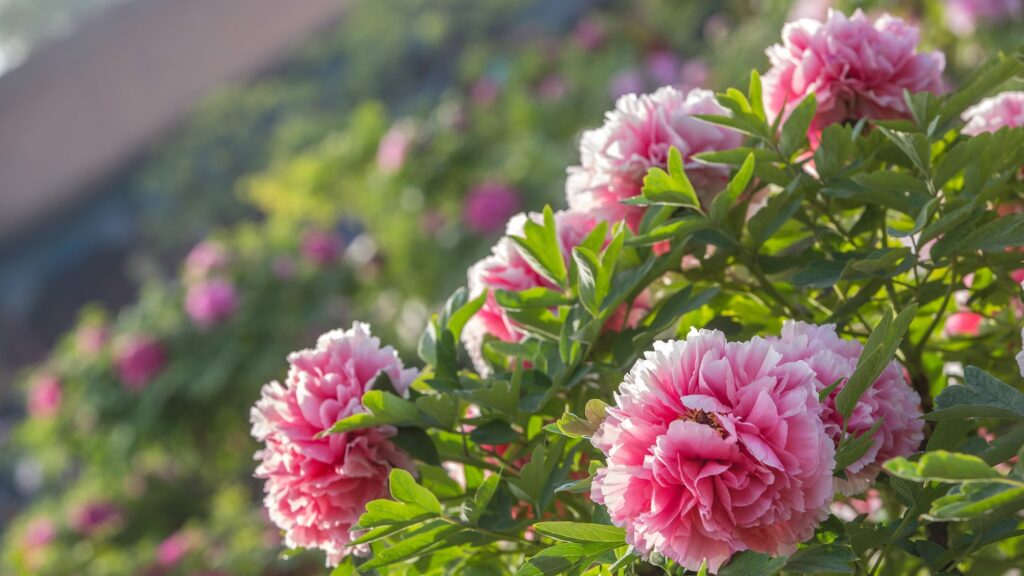
Photo: CGTN
Chinese Name: 牡丹 (mudan)
When: April – May
Where: Luoyang (Wangcheng Park), Heze City (Caozhou Peony Garden), Chongqing (Dianjiang)
Another one of China’s celebrated blooms, the peony’s alluring petal folds and dazzling core of golden outstretched stamens have mesmerized the Chinese people so much, it has been colloquially called the King of Flowers and was even the national Chinese flower during the Qing Dynasty.
Canola Flowers
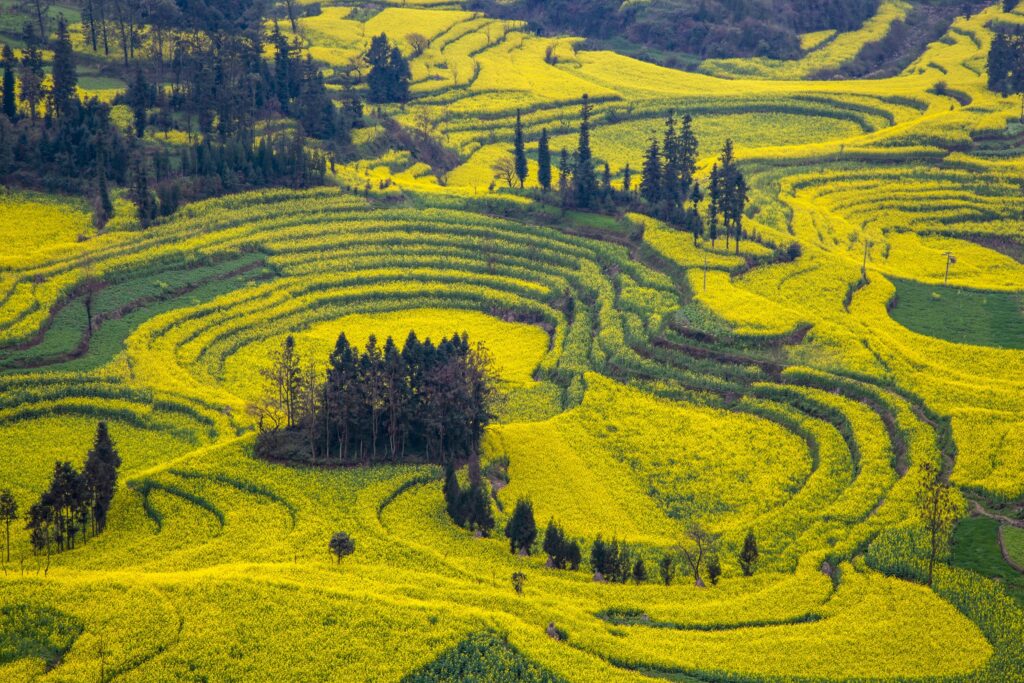
Photo: Visit Yunnan
Chinese Name: 油菜花 (youcaihua)
When: Early March – Early April
Where: Jiangxi (Wuyuan), Yunnan (Luoping), Qinghai (Menyuan Hui)
Also called the rapeseed flower, this bright yellow flower that blossoms outwards from a central stalk is frequently farmed for seed oil and various industrial uses.
This has led to massive tracts of this brilliant flower enveloping various landscapes in China, from the karst mound-filled landscapes of Yunnan to the hilly terraces of Wuyuan.
Orchids
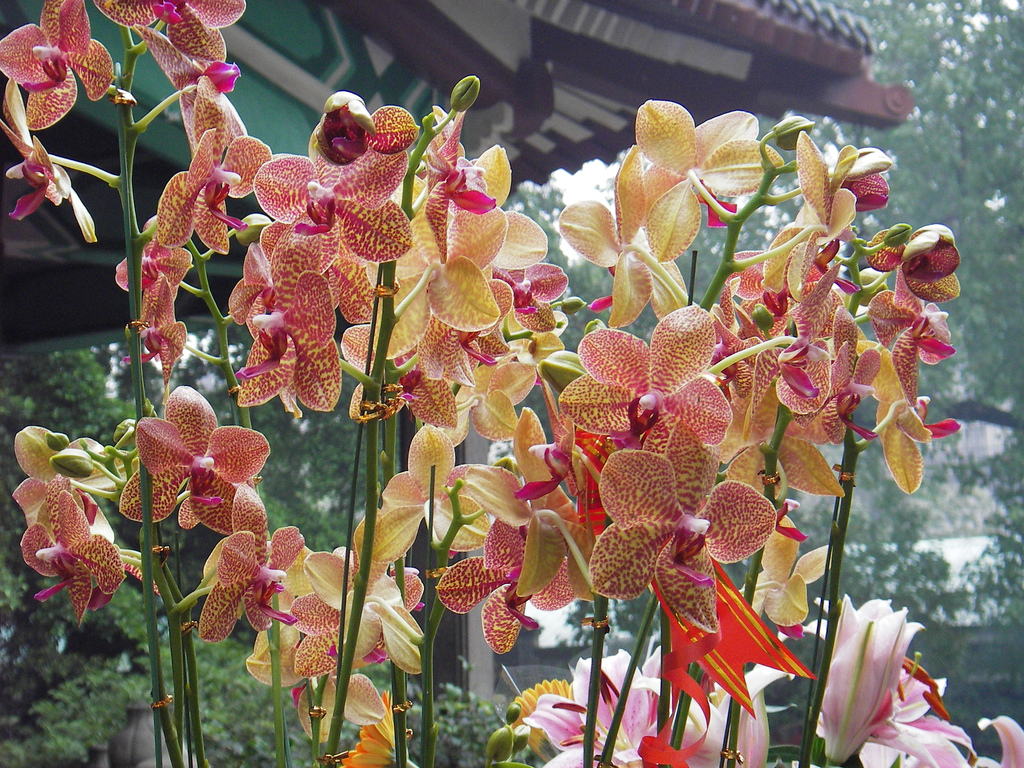
Photo: ecuadorianin
Chinese Name: 兰花 (lanhua)
When: February – March
Where: Guangzhou (Canton Orchid Garden), Shanghai (Chenshan Botanical Garden)
Besides being known as one of the Four Gentlemen – a series of flowers that feature prominently in Chinese ink paintings – the orchid is also a symbol of feminine grace, with the “orchid-shaped finger” being a signature gesture found in Beijing opera.
The bulbous, winged petals of orchids are usually only found in the subtropical regions of China near the south and southeastern regions.
Tulips
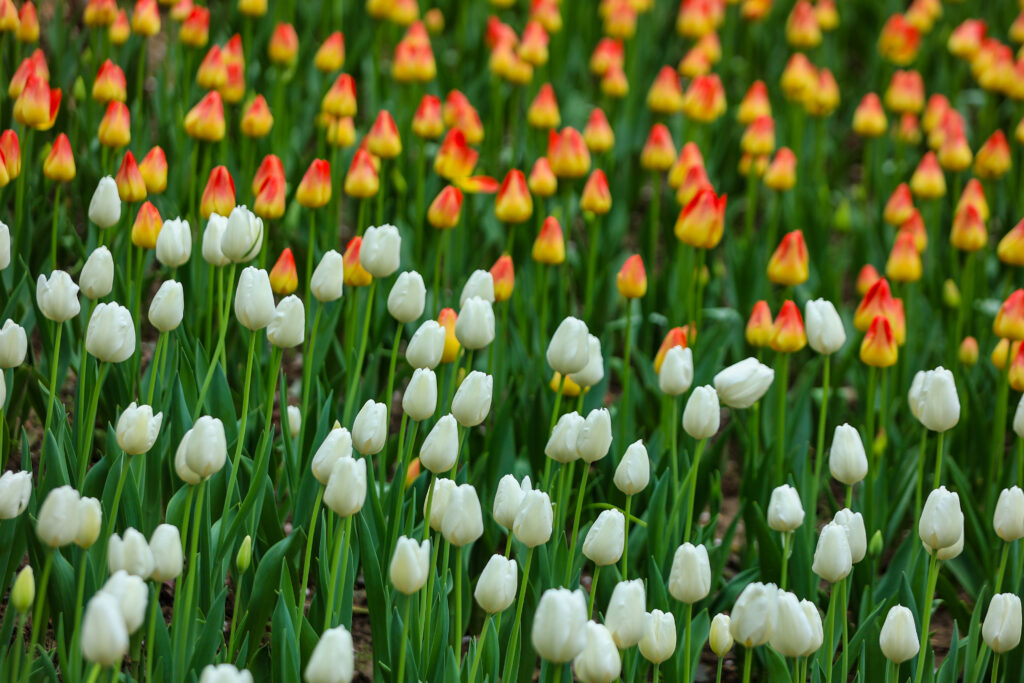
Photo: CGTN
Chinese Name: 郁金香 (yujinxiang)
When: Early March – Late April
Where: Nanjing (Taiziwan Park), Yancheng (Holland Flower Park)
The tulip is commonly associated with the Netherlands, but most do not know that it actually hails from Central Asia!
Although once found in northwest China before going extinct, the graceful and colourful tulip has been reintroduced to various city parks and gardens throughout China, transporting visitors to the Dutch’s Keukenhof gardens with just a brief stroll.
Hydrangeas
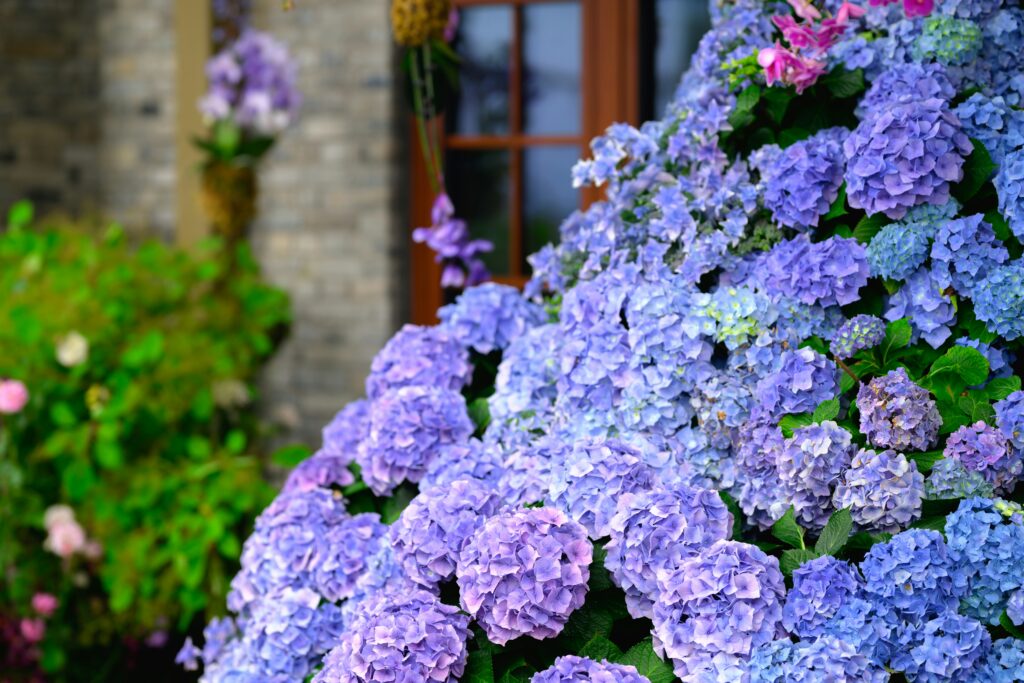
Photo: Declan Sun
Chinese Name: 八仙花 / 绣球花 (baxianhua / xiuqiuhua)
When: May – June
Where: Shanghai (Chenshan Botanical Garden), Nanjing (Qingliangshan Park)
Literally called the Eight Immortals’ Flower in Chinese (八仙花 baxianhua), the hydrangea has a fascinating legend behind its name. As an apology for having kidnapped one of the Eight Immortals of Chinese mythology, the Dragon King gifted them eight beautiful hydrangeas.
These giant bouquets of colour start peeking out from walls of thick leaves around the last weeks of spring, heralding the coming heat of summer.
Azaleas
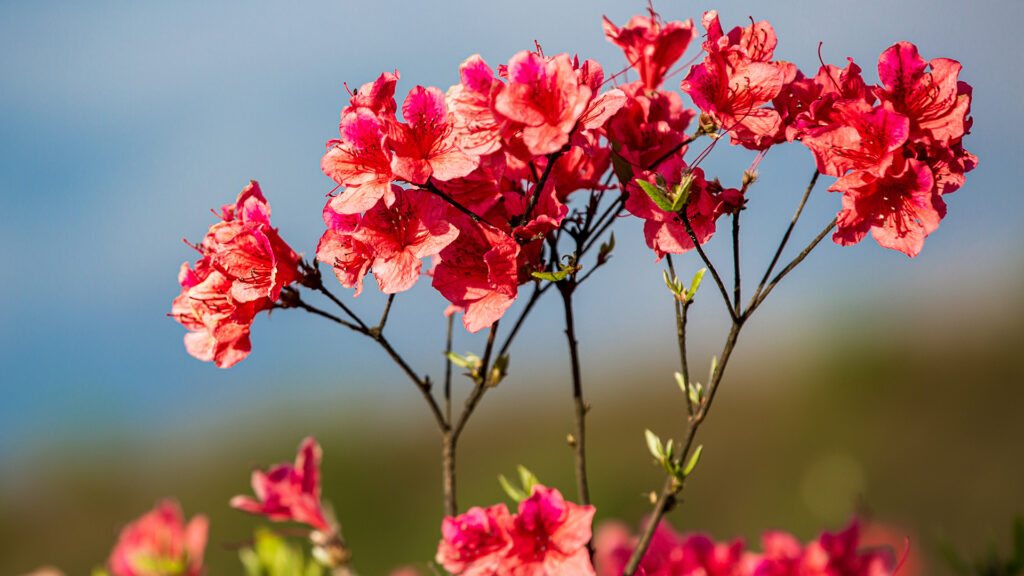
Photo: CGTN
Chinese Name: 映山红 (yingshanhong)
When: April – May
Where: Guizhou (Bijie), Yunnan (Luquan)
One of China’s most famous wildflowers, the azalea’s bright hues and rugged hilly habitats have earned it a place in Chinese poetry, songs and even movies.
Countless bushes filled with vibrant azalea blooms of every imaginable hue can be found blessing the hills of the southwestern provinces of Guizhou and Yunnan.
References
Stories from the Museum Floor – Four Noble Plants in Chinese Culture Part 2: Orchid
https://storiesfromthemuseumfloor.wordpress.com/2020/08/28/four-noble-plants-in-chinese-culture-part-2-orchid/
Flower Power: Understanding China’s National Flower Debate
https://www.sixthtone.com/news/1004596
en.people.cn – China’s Qinghai province, hometown of tulips (5)
http://en.people.cn/n3/2018/0504/c90000-9456458-5.html
The Chinese Myth behind Hydrangea (The Eight Immortals Flowers)
https://www.newhanfu.com/2322.html

