

When it comes to China, Beijing is usually the first choice for first time travellers, what with its status as the capital and a rich history and cuisine.
But veer just a little south and you’ll come across a curious province.
Although unknown outside of China, this next door province boasts its third-largest economy and second-largest population while occupying a prestigious place in its history and culture.
Welcome to Shandong.
Shandong: East of the Mountain

Literally named “East of the Mountain”, Shandong’s history, culture and even geography could be said to be a tale of dueling dualities.
Divided between a mountainous west and coastal east, a traditional inland culture and pioneering coastal culture as well as the historical Lu and Qi kingdoms – these dualities have shaped the modern Shandong.
During the Warring States period, the Qi and the Lu were two of Shandong’s prominent kingdoms. The Qi were the last to be conquered by the Qin Dynasty while the Lu would give birth to a scholar you might know called Confucius.
In fact, the Qi and Lu kingdoms were so massively influential to Shandong’s identity that many Chinese still refer to the province as Qilu.

Fast forward to the 19th century, Shandong’s wealth and coasts would be seized by foreign powers like Japan, Russia, the UK and most significantly – Germany.
Most of them would extract concessions and establish colonies, particularly the Germans at the port city of Qingdao, inadvertently spawning a booming tourism industry centered on Western-style heritage buildings.
Today, Shandong is considered one of the most prosperous and livable provinces in China. And with so many enticing attractions, there’s no better time to visit!
Here are four of the must-see attractions among the peaks and shores of Shandong.
Jinan: City of Springs

Ever since the Ming Dynasty first carved out a province called Shandong, the inland city of Jinan has been its capital.
Blessed with a staggering 72 natural springs, this “City of Springs” is a wellspring of watery attractions of all shapes and sizes that stand next to shopping streets full of old-school charm.

The most famous of these springs is arguably Baotu Spring or literally “Bubbling Spring”. And at a glance, it’s not hard to see why.
At the center of the spring, framed by gently swaying weeping willows and majestic pavilions and temples, three constantly churning natural water jets add untold litres of pristine spring water into the glowing turquoise above.
So fascinated by Baotu’s beauty were the ancient Chinese that it was included in the classical Chinese text Spring and Autumn Annals and even dubbed “The Supreme Spring Under Heaven” by the Qianlong Emperor of the Qing Dynasty.
But why stop at one spring?

Connected by ancient moats and boat cruises, just like one of southern China’s canal towns, is Heihu Spring or Black Tiger Spring.
Compared to the distant jewel that is Baotu, it is a more intimate Jinan spring experience, with direct access and even public taps that allow you to sample or, as some locals do, take home a bottle of clear spring water!

But as impressive as these springs are, none hold a candle size-wise when compared to Daming Lake.
Though no Kanas Lake, this gigantic 57.7-hectare lake is peppered with various pavilions, halls and parks that make for a great day trip.
In summer, the vast islands of blooming lotus plants hugging the southern shore are some of its most photogenic sights. Add some far-off islands and apartment blocks and you have one of Jinan’s classic sights.


And while you’re at it, don’t forget to visit their old-timey themed shopping districts such as Kuanhouli Street and Furong Street. Some local Shandong specialties to look out for are the spirally youxuan pastries, savoury bazirou pork and some jam-packed jianbing pancakes.
For more ancient towns, check out the leafy streets and chill canals of Chengdu’s Jiezi Ancient Town!
Getting Here
China Southern flights from Kuala Lumpur to Jinan via Guangzhou and Shenzhen depart daily. The Shanghai – Beijing high speed line is also an alternative.
Mount Tai: Holy Peaks!

To the south of Jinan stands Mount Tai, an enormous series of peaks and ranges that loom large over Shandong, China and the world of Chinese spirituality.
As one of China’s Five Sacred Mountains, it is a hugely significant symbol in Chinese geomancy, as well as Buddhism and Taoism, making it one of China’s many spectacular peaks.
Its steep drops, gargantuan slopes and neverending peaks have inspired worship from common folk and even emperors, who would offer sacrifices to ensure the peace, prosperity and, of course, legitimacy of their reign.

In the modern day, worshippers can offer some incense, change or prayers instead at temples such the Taoist Bixia Temple and Dai Temple or Buddhist Puzhao Temple.
Did You Know? The Dai Temple has architecture similar to a Ming imperial palace, one of only three such buildings in China. This is because Chinese emperors used to offer their sacrifices here.

Just like how Japan’s Mount Nokogiri provides an easy escape from Tokyo, Mount Tai is also blessed by easy rail access from regional cities like Taian, Qufu or Jinan.
But choosing where to scale the mountain is an entirely different question.
There are four main routes up Mount Tai, which can take up to 3 hours or more depending on whether you’re walking or riding the bus and whether there’s access to one of the three cableway lines.
In general, the routes can be ranked like this:
| Route | Difficulty | Accessibility | Attractions |
| Tianwaicun (天外村) | Easy | Public buses only; 30-min bus ride to Zhongtianmen cableway station Walking not recommended due to distance | Limited views of nature |
| Taohuayu (桃花峪) | Easy | Public buses only; 30-min bus ride to Taohuayuan cableway station Walking not recommended due to distance | Picturesque river valleys with streams Few unique attractions |
| Dongyu Road (东御道) | Easy | Public buses only; 30-min bus ride to Zhongtianmen cableway station | Gentle elevation through forested river valleys Few unique attractions |
| Tianzhu Peak (天烛峰) NOTE: Closed for upgrades as of May 2025 | Moderate | Walking only; 2-3 hour hike to Houshiwu cableway station | Relatively wild and isolated, more natural attractions. |
| Hongmen (红门) | Difficult | Walking only; 1-3 hour hike to Zhongtianmen cableway station | Steep cliffs and zigzagging stairs Numerous unique natural and cultural attractions, i.e. the Eighteen Bends, Hongmen Gate |

For beginners it’s recommended to take the southern Hongmen route just for the Eighteen Bends alone, a mindnumbingly steep ascent that twists and turns eighteen times as it soars 400m up a dramatic mountain pass that ends at an eye-catching crimson gate.
Alternatively, if you’re pressed for time or want to save your strength for the Eighteen Bends stretch, you can take a bus to the Zhongtianmen cableway station and start your hike there.

Once you’re up at the peak area, make your way past the tourist trap stores on Heaven Street, offer a prayer at the storied Bixia Temple the marvel at the iconic inscriptions at Daguanfeng and the Wuyue Duzun Inscription (featured on the Chinese 5-yuan bill)


At the end, buffeted by sky-high winds at the very top of Mount Tai, you’ll arrive at a tiny temple dubbed the Jade Emperor Peak, where panoramic views of Mount Tai and the city of Taian await at a dizzying height of 1,545 meters.
Getting Here
The closest urban center to Mount Tai is Taian at its southern flank. Trains can get you to the Taian railway station, while buses will get you up to the cable cars or hiking trailheads.
Qufu: Confucius’ Abode

“When Confucius ascended the eastern hill, (the state of) Lu appeared small.
When he ascended Mount Tai, all under Heaven appeared small.”
– Mencius
The Works of Mencius
Book 7, Part 1: Tsin Sin
Mountains and philosophers are a match made in heaven, and Confucius having a fondness for Mount Tai is no exception.
Looming large over the philosopher’s hometown of Qufu, the mountain is repeatedly referenced by the legendary Chinese philosopher in his works.
Qufu was once the capital of the Lu state, a minor vassal to the Zhou Dynasty. Although it would be eventually conquered by the Chu, it still retains its prestige due to its most famous son.

Born and raised in Qufu, Confucius would no doubt have looked upon it as he departed during his exile in 498BC. He would eventually return before passing away peacefully in 479BC.
Now his tomb, temple and the homes of his descendants’ form the heart of his deeply influential teachings, attracting millions of Confucian followers and history buffs alike to these UNESCO-recognized sites.
Read More: Malaysia’s 6 UNESCO World Heritage Sites (2025)
You can start your Confucius pilgrimage in Qufu at the Temple of Confucius. Once their home, it has been transformed into a sprawling estate encompassing hundreds of halls and ancient memorials.
Once you pass multiple brilliant red gates and the centuries-old inscriptions in the Thirteen Stele Pavilions, you’ll come face-to-face with the grand golden roof of the Dacheng Hall and the opulent shrine within. Standing behind it with no less grandeur is the Resting Hall, dedicated to Lady Qiguan, Confucius’ wife.
Feeling deja vu with the temple’s architecture? That’s because it was built during the Ming Dynasty, when a certain Forbidden City was being built!

Next, parked just to the east like a stuffed jianbing pancake is the rectangular Kong Family Mansion.
Counter to what its name might suggest, this “mansion” is more like a massive estate that includes hundreds of offices, halls, gardens and bedchambers – all for the descendants of Confucius who managed and maintained the temple.
Throughout its labyrinthian annexes, courtyards and alleyways, you will find little snapshots of how life must have been for one of China’s most prestigious families, giving you a small town vibe not unlike those in Perak and Kedah.
In fact, the Kong Family was so faithful to Confucianism that the mansion’s accommodations were assigned based on seniority and gender. Sadly, no Kong descendants live here now, most of them fled to Taiwan during the Chinese Civil War.

Photo: Zhangzhugang
Finally, cap off your Qufu adventure at the tomb of the man himself at the Confucius Forest, named after the serene forest and the graves of thousands of descendants that surround the tomb.
After passing through various bridges, gates and even a sea of trees in an almost religious experience, you’ll find a simple grass-covered mound, distinguished only by an ivory stele carved with gold calligraphy. Here Confucius lies, hopefully at peace.

Besides Confucius, Qufu is also home to plenty of sites related to historical figures such as the monumental Mausoleum of Shaohao and the Zhougong Temple, which commemorates the Duke of Zhou – a prolific ruler and writer that heavily inspired Confucius.
Getting Here
Trains regularly depart from the provincial capital Jinan to Qufu, taking about 2 hours one-way.
Qingdao: Colonial Echoes

During the dying days of the Qing Dynasty, the German Empire seized a port city on coastal Shandong called Qingdao.
Originally a fishing village, the Qing had developed Qingdao into a trading port and then a naval base for its brand new ships up north in Beiyang.
Despite extracting a humiliating 99-year concession in 1898, the Germans only managed to hold onto this prized port for 16 years before losing it to various colonial powers and wars.

But it was during these years that the city’s leafy manor districts, wide boulevards, brick and stone architecture and European-style city planning became etched onto its very identity. Imagine Georgetown but bathed in beer instead of tea, and you have an idea of what Qingdao’s historical quarter feels like.

Starting from coastal Qingdao, you have the amazingly intact heritage district of Badaguan.
This leafy upscale neighbourhood is named after the eight prominent passes on the Great Wall of China, with its streets named after them too. Let’s just say they weren’t that far off in terms of majesty!


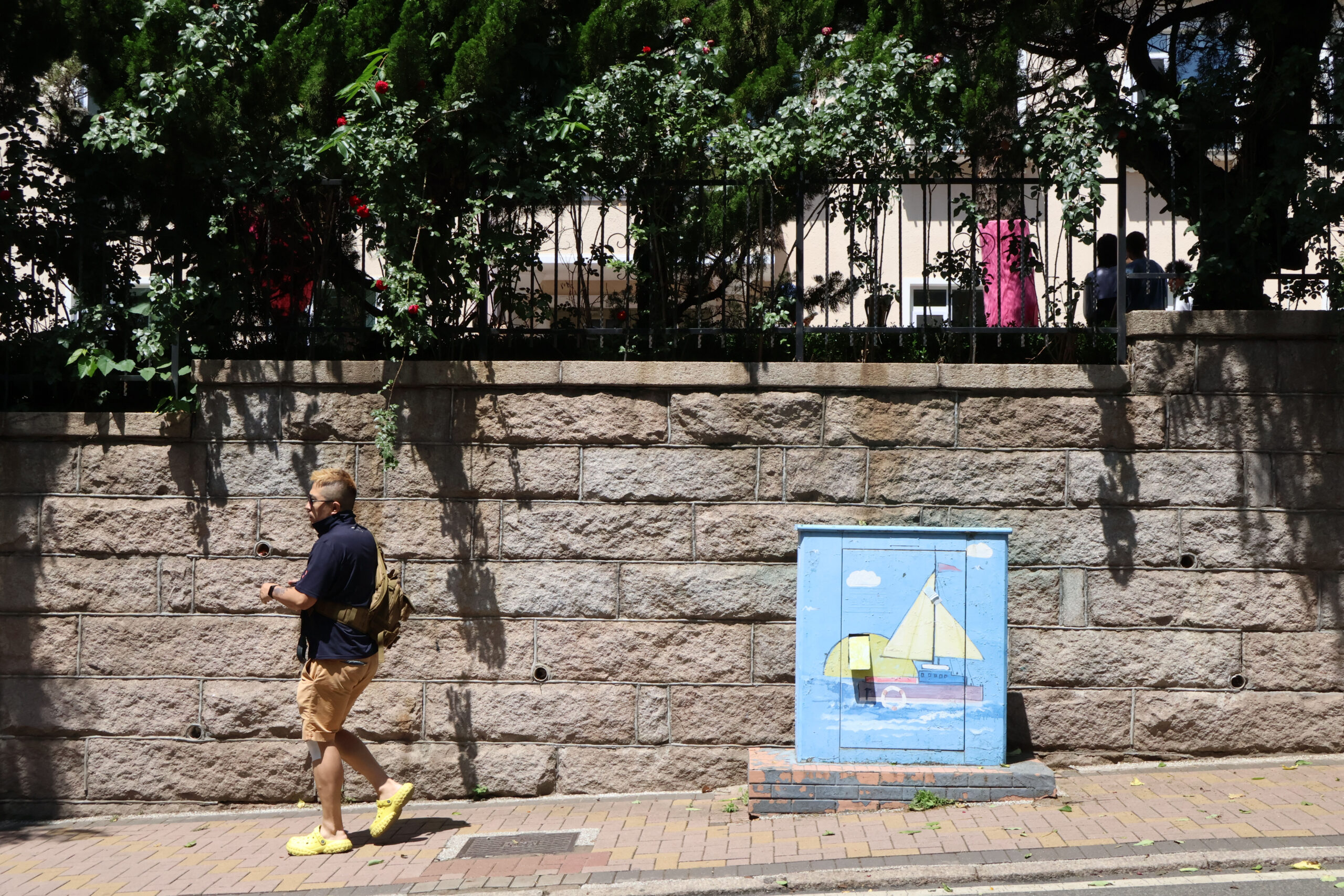
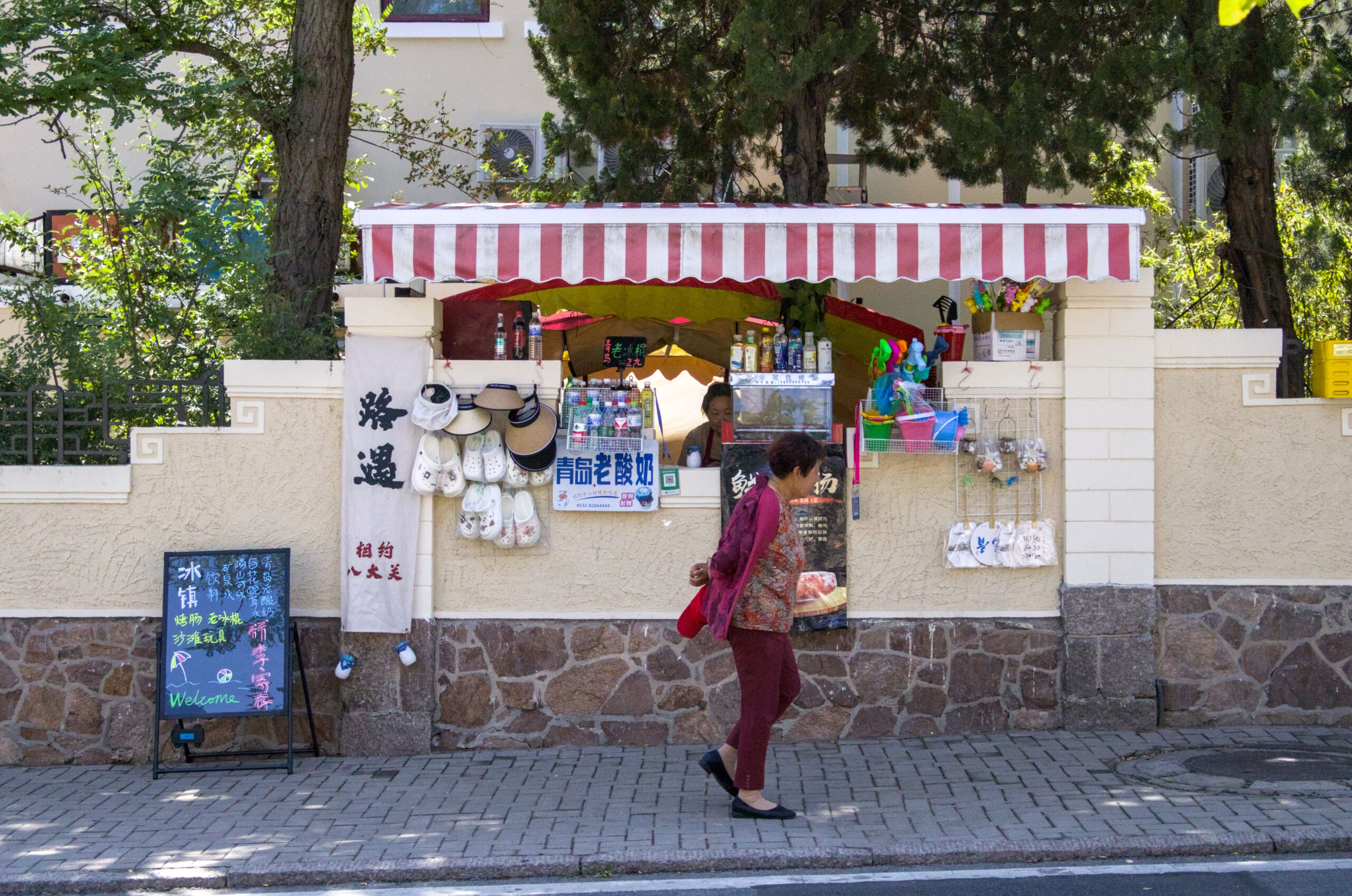
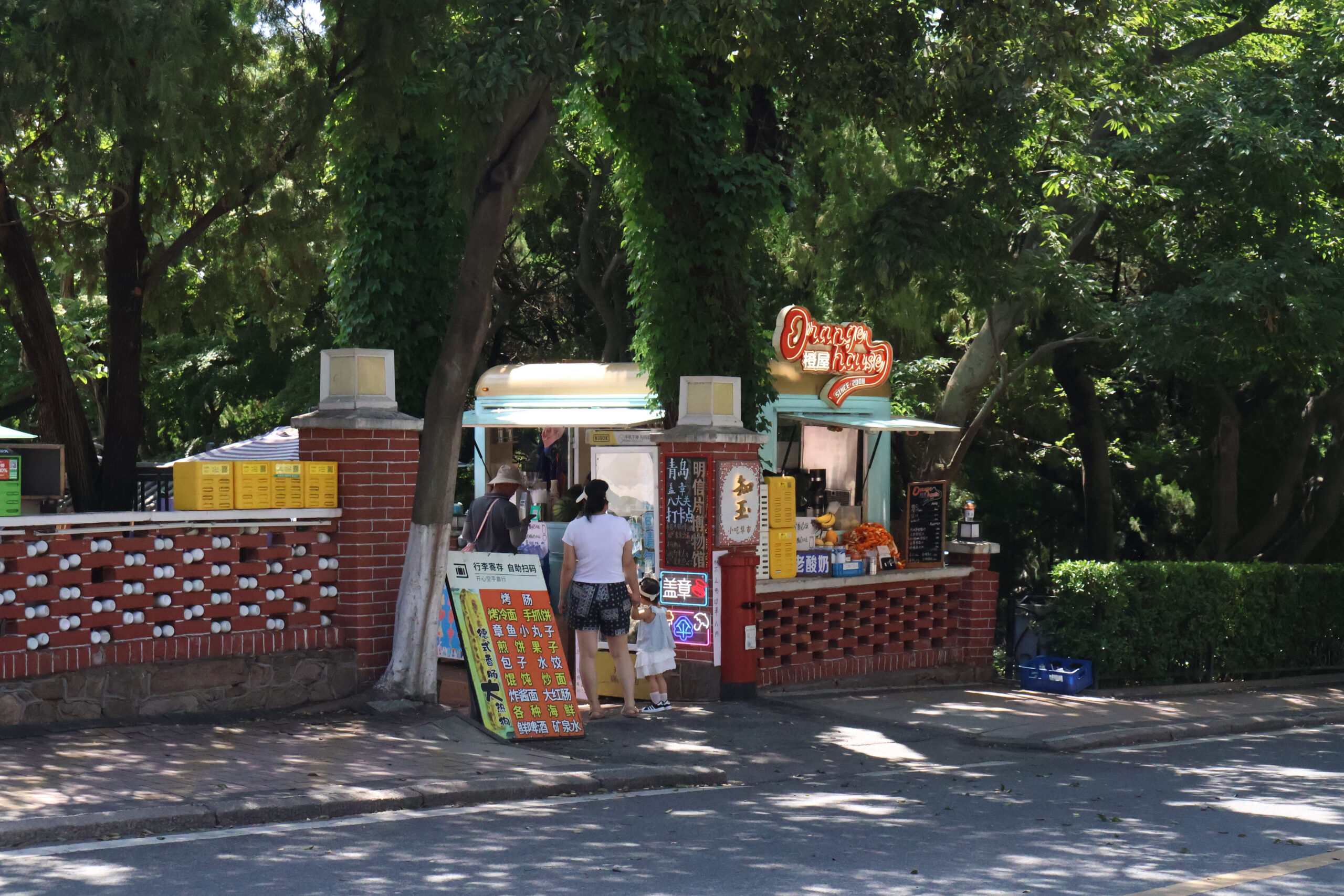

Amidst the well-manicured streets and past the high walls, you’ll find a smorgasbord of secluded villas and classy mansions decked out in various European styles, so much so that plenty have dubbed it a box of architectural chocolates.


Some must-see buildings around this area include the crimson Butterfly Villa, the Nordic-inspired Princess Villa and the stern, castle-like Huashi Villa.
Do take note to bring some cash or set up a cashless payment method (here’s a guide) though, as most of the must-see mansions typically charge a fee for entry.


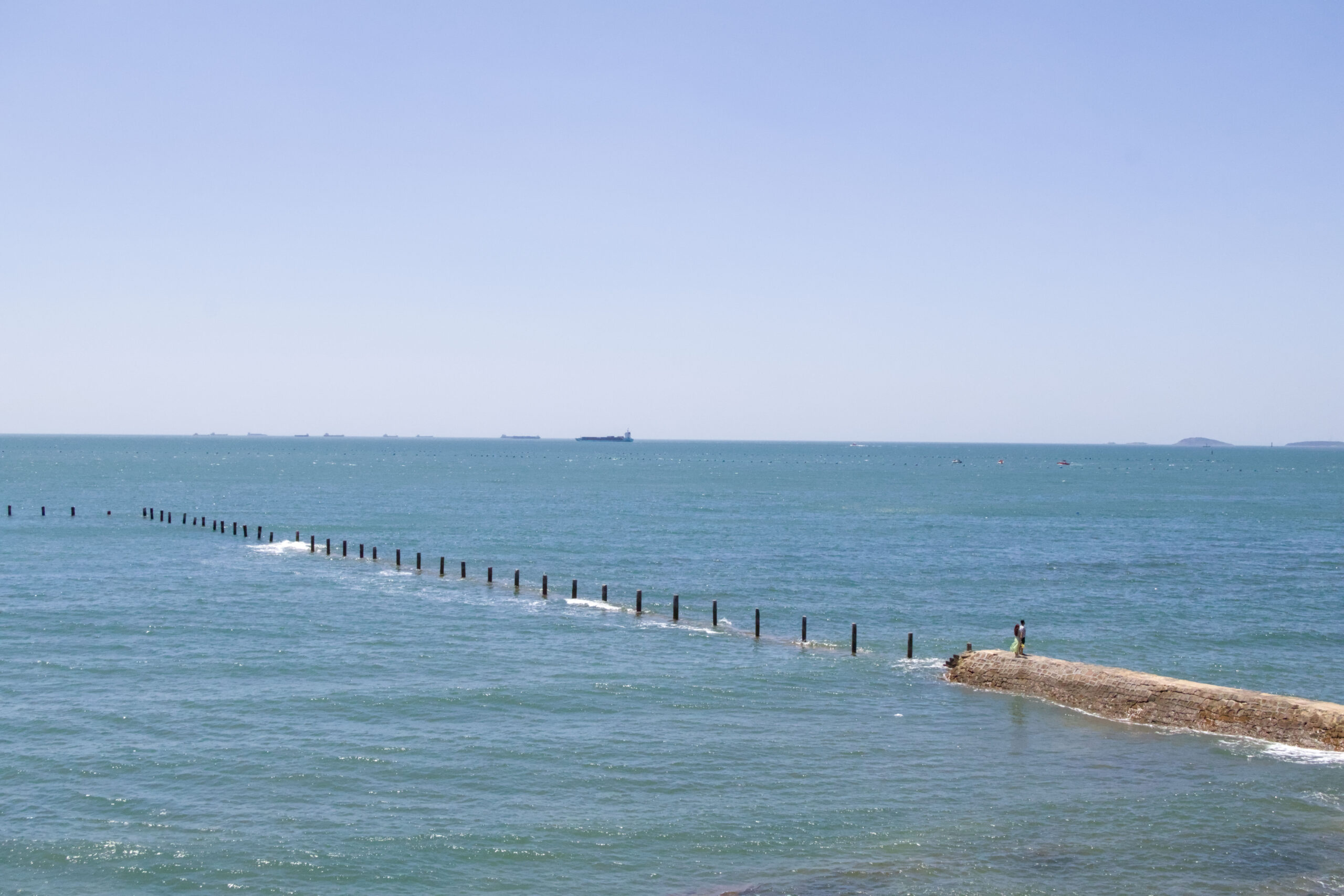
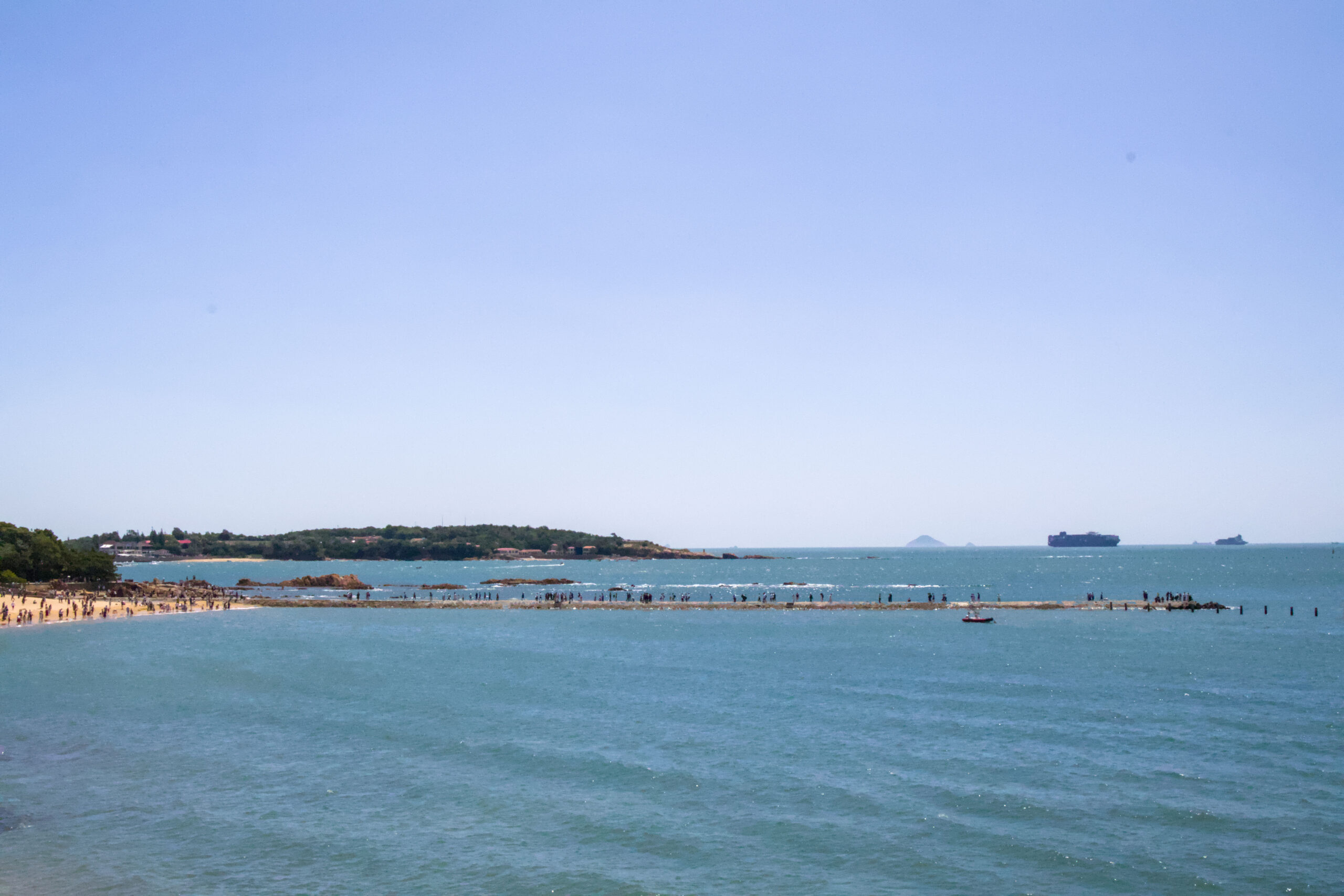
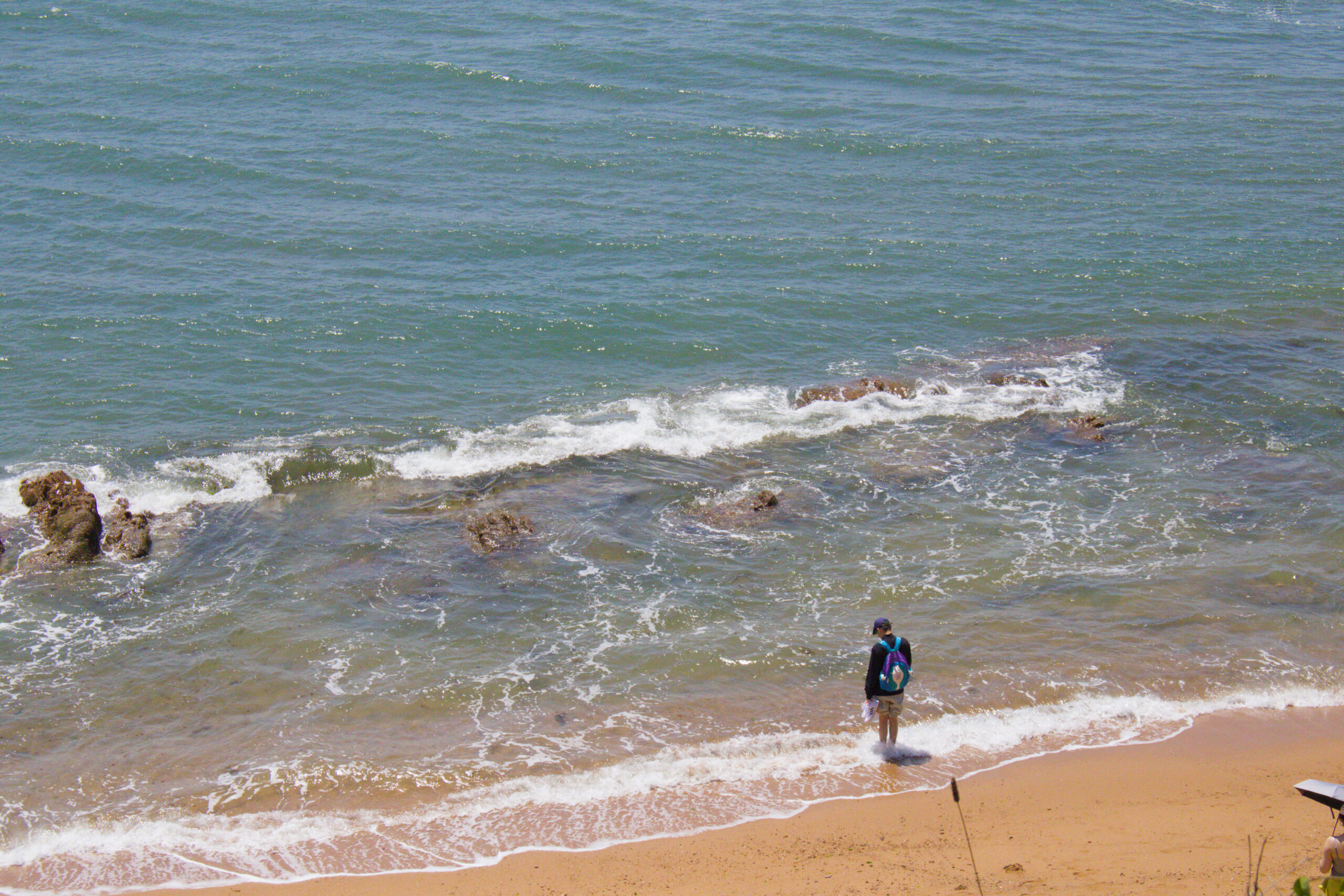

And while you’re in the neighbourhood, take a pleasant dip in Qingdao No. 2 Bathing Beach, where Mao Zedong – a prolific swimmer – once swam!


If you’re more of the “bigger is better” type, then head west inland towards Qingdao’s twin churches: the Protestant Christ’s Church and the Catholic St. Michael’s Cathedral.

Photo: Windmemories
The former sports a handsome green tower and cottage-like main annex while the latter impresses visitors with its lofty twin spires and cavernous hall, just like Notre Dame or our very own St. Peter’s Church in Sarawak.

But no matter how far you go in Qingdao, you’re never far from a coastal gem, as the scenic Zhanqiao Pier proves. As one of Qingdao’s earliest naval wharfs, its simple design and the Huilan Pavilion crowning the far end make it a unique local example of Qingdao’s seafaring heritage.

Double back towards the eastern end of the Shandong Peninsula, and you’ll find a wide boulevard called May Fourth Square.
To the average visitor, the square’s central May Wind monument may simply be a collection of wildly revolving crimson circles encasing a giant sphere.
But dig a little deeper, and you’ll find that it actually symbolizes the May Fourth Movement, when students in Beijing protested against the decision of western powers to hand Qingdao to Japan after World War I, giving birth to Chinese nationalism and modern China.


Located at the coast of the very city that inspired the movement, the monument is not only deeply meaningful but also a marvellous sight to behold when viewed against the clear sky of day or neon lights at night.
Besides symbolism, the May Fourth Square is also a leisure area full of wide lawns, a diverse selection of shops and panoramic seafront views. For a better selection of goods, foods and drinks though, you’d be better off heading to the Taidong shopping district.

Speaking of food, you can’t mention Qingdao without including its most famous export – Tsingtao beer! And there’s no better place to explore this homegrown Chinese beer than at the Tsingtao Beer Museum.


Standing on the site of a former German beer factory, this museum-factory contains retired brewery machines, exhibits on brewing and bottling, as well as taste-testing experiences. Spending an afternoon here to ferment your understanding of the famous beer brand and its long history is one of Qingdao’s must-dos!
Getting Here
Besides flying into Qingdao Jiaodong International Airport, you can take regional trains and buses from Jinan and Qufu to reach this tourist hotspot.

That’s it for Shandong’s big four attractions, but there’s still plenty to see and do around China!
Most of the photos of Shandong in this guide were taken during summer. If you like what you see, you can visit some of China’s other spectacular summer destinations too.
But the Chinese summer can be a tough ride, even to us Malaysians. So make sure to pick up some summer skincare tips before you visit. Another great way to cool off would be to visit some of the Jiangnan region’s romantic water towns too.
Links
Britannica – Shandong
https://www.britannica.com/place/Shandong-province-China
DZPLUS – 五一爬泰山,登山路线、日出时间…攻略都给你安排好了!
https://m.dzplus.dzng.com/share/general/0/NEWS1367586QTXZXCXYITAVT
Zhihu – 泰山景区攻略
https://zhuanlan.zhihu.com/p/413261071
2Bulu – 徒步泰山两日游:五岳之首的魅力与挑战,要露宿山顶和从天烛峰徒步下山的请收藏好这份攻略!
https://www.2bulu.com/community/gotohuatinfo.htm?id=c%2FSrMWwcT87hwwGqLg7XmA%3D%3D
China Discovery – Mount Tai (Taishan) Maps 2025: Updated, Detailed and Downloadable
https://www.chinadiscovery.com/mount-tai-tours/maps.html
Nothingistic – The Works of Mencius, Book 7, Part 1 (cont.): Tsin Sin
http://nothingistic.org/library/mencius/mencius51.html
Visit Our China – Badaguan Scenic Area
https://www.visitourchina.com/qingdao/attraction/badaguan-scenic-area.html
China Daily – Qingdao buildings evoke a bygone era
http://www.chinadaily.com.cn/opinion/2015-05/14/content_21198986.htm
That’s Qingdao – Badaguan
https://www.thatsqingdao.com/tag/badaguan
Qingdao News – 涞比池与花石楼
https://epaper.qingdaonews.com/html/qdzb/20200420/qdzb1334089.html


_Temple,_Qufu,_Hall_of_Integration_(13035746125).jpg)
_Temple,_Qufu,_Ling_Star_Gate_(13036423093).jpg)
.jpg)


