

Travelling is expensive, really expensive.
Flights with a dozen hidden fees, hotels that charge sky-high rates, restaurants that cost an arm and a leg – and many more spending traps.
And that’s not even including recent American adventures that have raised fuel prices and stoked inflation everywhere.
But all is not lost.
Budget travel is one of the best ways to see the world without burning a hole in your wallet (too much).
However, there’s more to budget travelling than simply booking the cheapest flight or hotel! Let’s take a look at how to travel overseas for cheap – Malaysian-style!
Before the Trip
As with most things, a little planning goes a long way. The same is true for budget travel!
Be Realistic (While Having Fun)
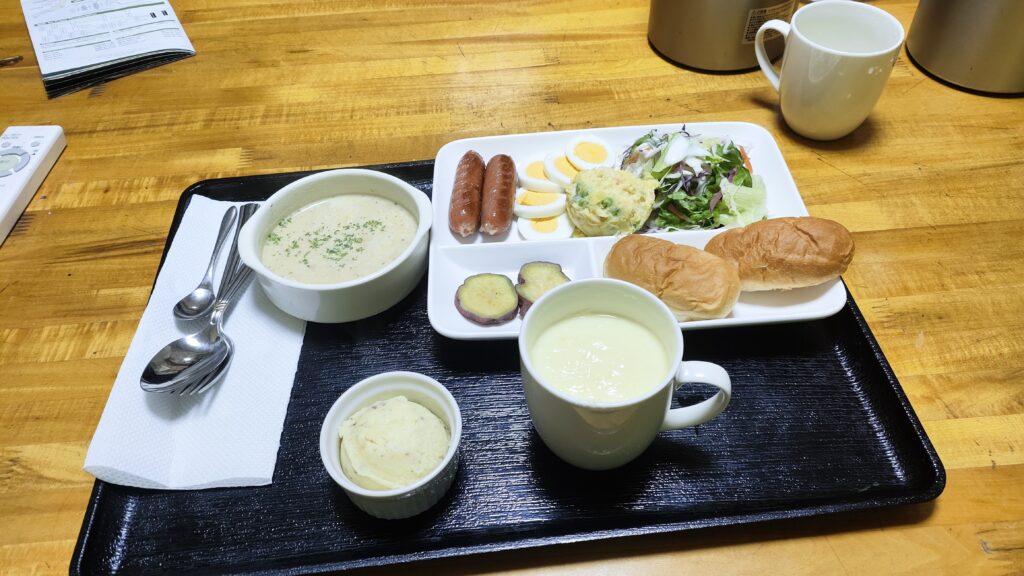
Everybody wants the best food, hotels and activities for their vacation, but if you have a budget, you have to be realistic.
But realistic doesn’t mean skimping on everything and living like a monk! After all, it’s called a holiday! You simply just need to prioritize what’s most important to you.
Ask yourself what your perfect holiday looks like, not that photoshopped selfie you saw on social media or what that paid influencer told you.
Once you narrow down your needs, wants and optionals, the real work begins: setting a budget.
Set a Budget
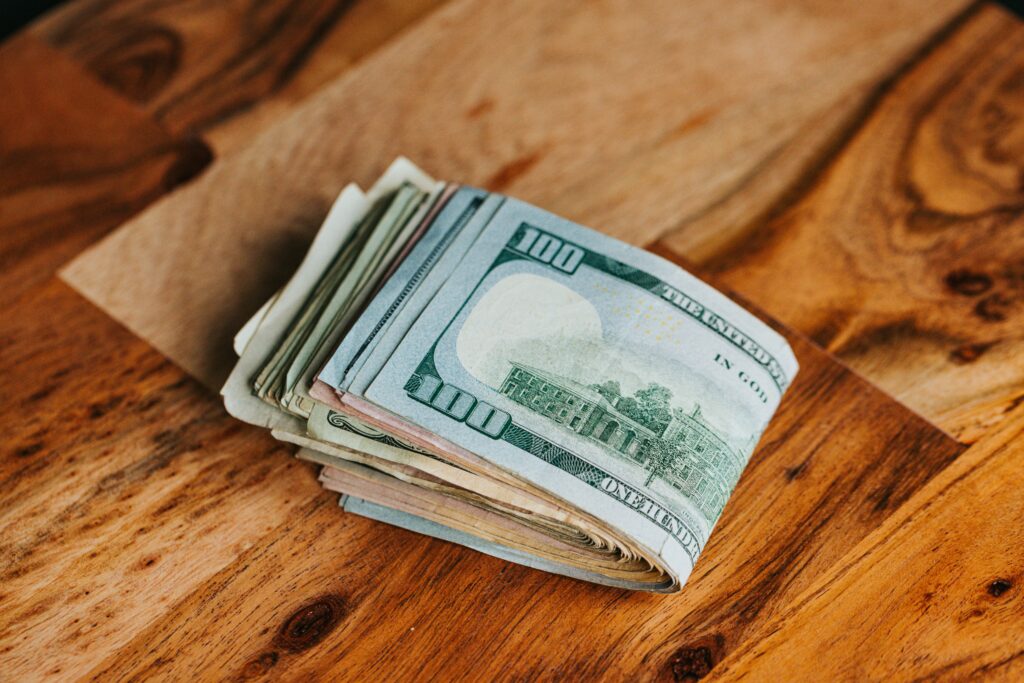
This seems blindingly obvious for a budget traveller, but when you’re riding on the high of a holiday, it can be difficult to resist the temptation of that “special”, “one-time” FOMO purchases.
This is especially true for souvenir shopping. Having a hard number at the back of your mind helps you to resist the siren call of impulsive purchases. Depending on your interests, you can even skip the shopping altogether.
A good way to start a rough budget is to add up your flights and hotels together with estimated daily food and transport expenses, which brings us to…
Do Your Research
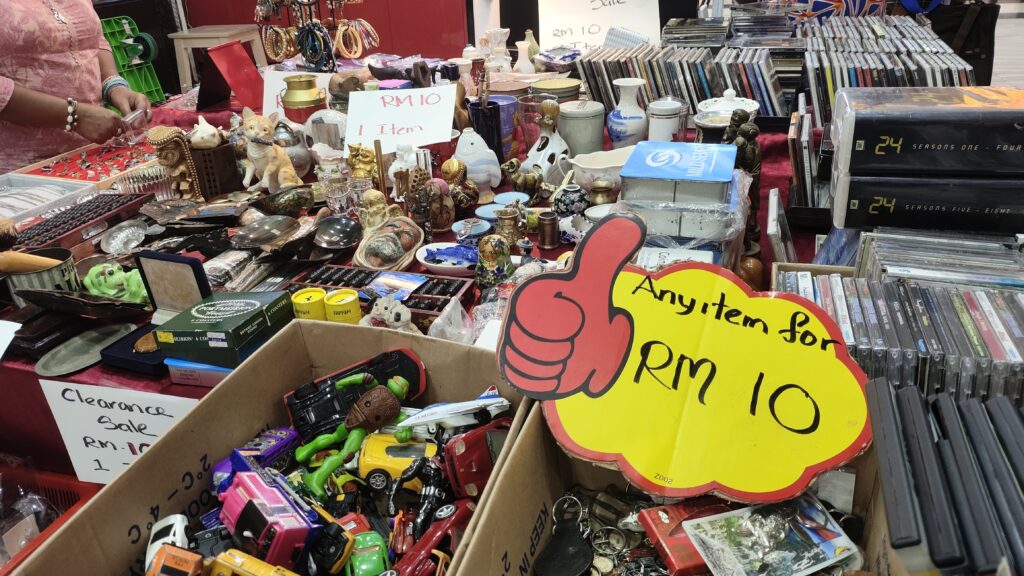
Equally important to budgeting is research, research and research. Here’s some places to get you started:
Flights: Skyscanner or Google Flights are good places to start. But make sure to double check on the airlines’ website, as online aggregators usually exclude hidden costs like taxes and check-in luggage fees. Tip: Fly on weekdays and off-peak seasons for cheaper flights!
Hotels: Booking.com, Agoda, Expedia and many more. But you’ll find usually better deals with the hotels themselves or smaller, domestic-oriented platforms like Japan’s Ikyu.com.
Local Transportation: In public transport-first cities like Paris or Tokyo, Google Maps can give you a decent, if not up-to-date, quote.
Food & Experiences: Social media platforms or even Google Maps can give you inspiration. But for the nitty gritty, it’s best to visit official social media pages.
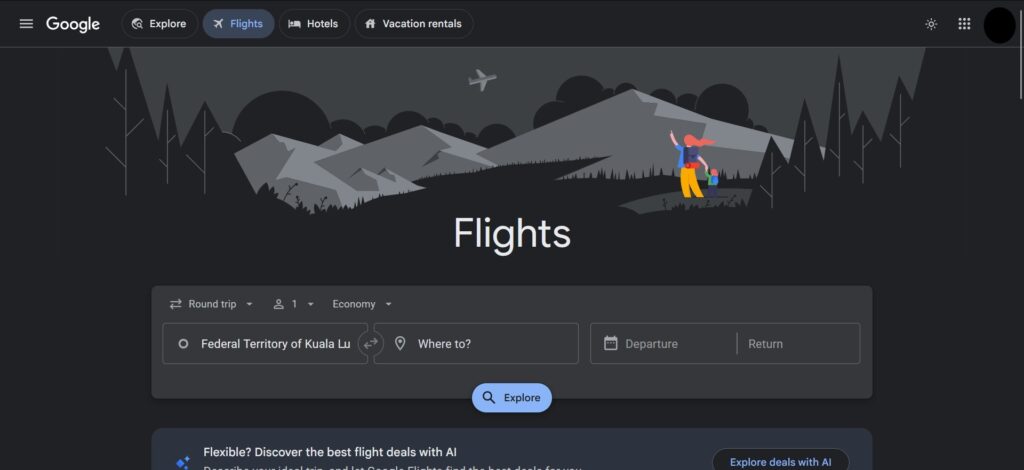
Overall, large online platforms are the best way to get general inspiration and quotes while exact details are best checked on official websites or social media.
Research also helps you peer past currency rates and get a feel of local pricing. For example, do you know how much a 50USD in New York gets you? Answer: a full-course meal with fine dining surroundings (sadly, this excludes tips).
But what about AI? Despite recent advances, spotty accuracy and outright fictional hallucinations remain AI Language Learning Models’ most fundamental weaknesses. Use AI at your own risk and double check everything (however long that takes). But, like this BBC article highlights, would you pay a cool 160 USD to get lost in a rural Peruvian town just because ChatGPT told you so?
Book Early(-ish)
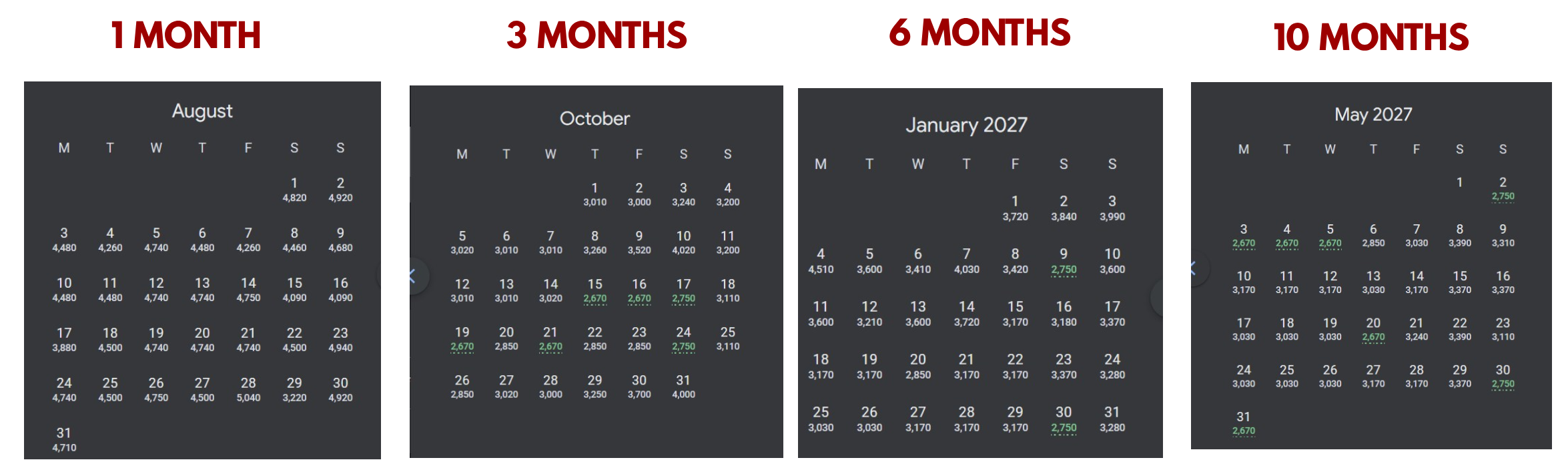
Note the high prices at the 1-month mark and 6-month mark, the latter being the peak Christmas-New Year travel season.
In general, the best prices and rates for budget travellers come early.
How early? No one knows really, because it all depends on the destination, peak vs off-peak season and countless other factors.
With that in mind, 3 – 6 months is a good rule of thumb; not too late to hit last-minute spikes and early enough to accommodate any change in plans.
But for highly coveted attractions or restaurants that require advance booking, it’s best to book as soon as the booking window opens. You’ll usually find out about them through social media too.
Speaking of social media…
Keep Up-to-Date
As much as we all claim to hate ads, you must deal with the devil sometimes to get the best deals!
Besides social media, official tourism boards, travel websites (like ours truly) and other travel-related media are the best way to catch time-sensitive deals.
For flights, make sure to set up email or app alerts so you can strike while the deals are hot. It’s also a good idea to do the same with currency exchange rates, which can fluctuate wildly in the matter of days or even hours.
During the Trip
With your preparations done, it’s time to enjoy. But even here, there’s ringgit to be saved.
Take Advantage of Tax-Free Shopping
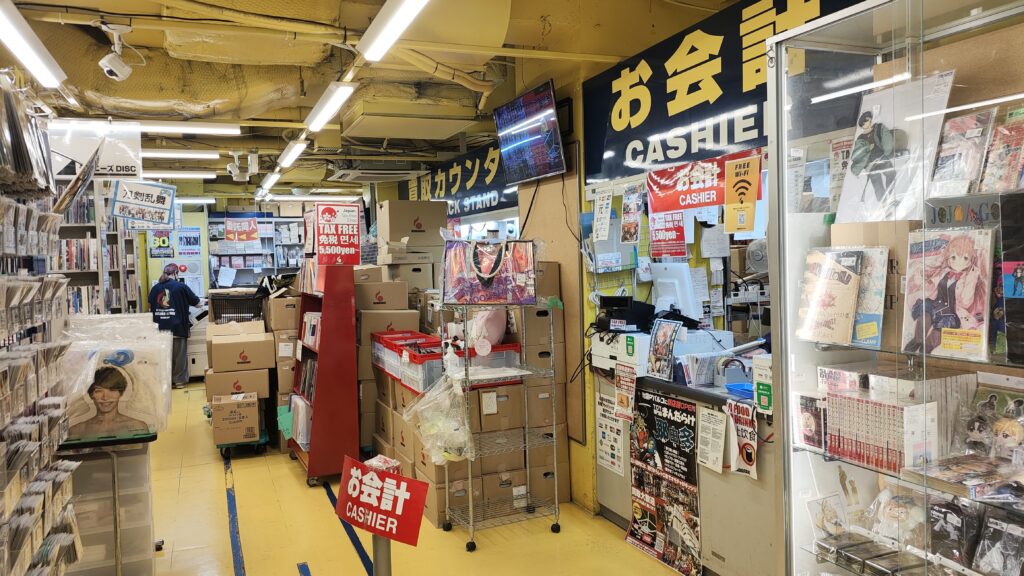
No one likes taxes, especially on holiday. But tax-free shopping is one way to claw back some savings.
Depending on where you go, you can simply flash your passport at the store itself to get an immediate tax-free discount or refund. Or, you will have to show your purchases and receipts at the airport to get refunds via cash or credit card.
It sounds annoying, but would you say no to 11% off your purchase in China or a whopping 20% in Hungary?
However, most tax-free destinations expect you purchase a minimum amount before offering tax-free shopping. In Japan, for example, it’s 5,500 yen (~RM138) to enjoy 10% OFF tax-free shopping in places like Akihabara and Ikebukuro.
Follow the Locals

When in Rome, Rome it up!
To travel cheap, it’s best to follow the lead of those who best know the place – i.e. the locals.
Instead of pricey taxis or rideshares, travel alongside the locals by train, buses, bikes or simply walk! Instead of a closed-off cocoon of asphalt and highways, you’ll get a firsthand, unvarnished look at what the natives see day-to-day.
After travelling around, you might be getting hungry. But try and avoid touristy spots full of polished, translated menus or selfie-obsessed influencers. Instead, try walking down a side street or two away. You will be surprised by quieter, authentic restaurants that cater less to tourists and more to everyday folk, giving you a cheaper bill AND better food!
Keep Track of Expenses
Just like setting a budget, keeping track of expenses is a good way to keep travel costs in mind and in control.
Any simple note or spreadsheet app should work fine, but you could also step up with dedicated wallet apps that track your expenses via categories, separate accounts and even photo attachments!
Besides resisting FOMO, tracking your spending will also be a great reference when planning for future trips!
After the Trip
The savings never stop, even after you’ve landed home.
Tax Returns
Keeping your holiday receipts may sound like a chore, but what if it shaves off a few ringgit from your income tax?
Yep, besides claiming tax refunds at your destination, you can also claim tax returns in Malaysia for holiday purchases!
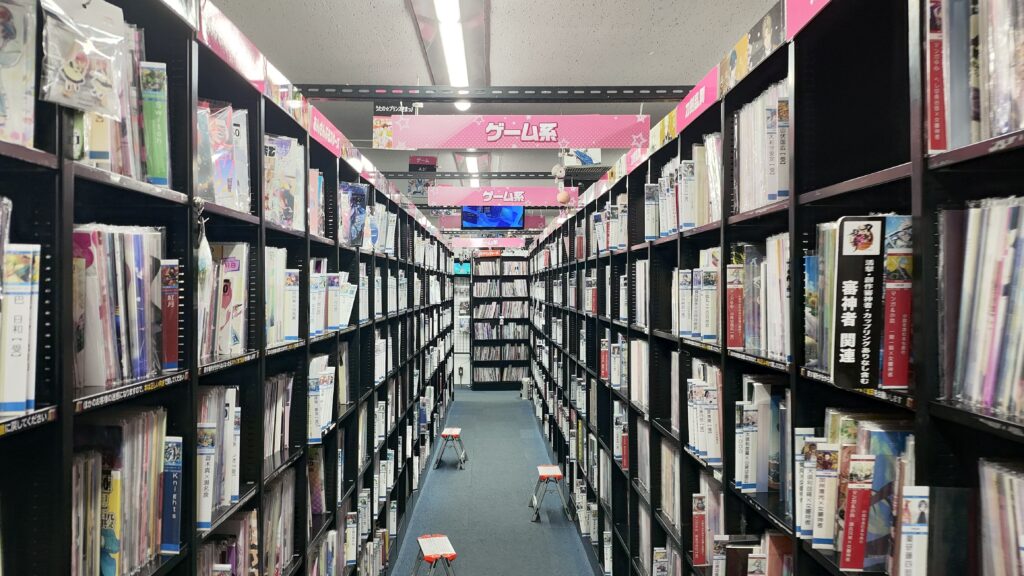
As of YA 2025, purchases under the lifestyle category – which includes books, smartphones, computers and sports equipment – are eligible for tax relief.
So, if you’re buying a smartphone in Seoul’s Dongdaemun district or manga shopping in Akihabara or Ikebukuro – keep those receipts for some sweet refunds!
Share Your Savings!
Find a good deal or a way to save some ringgit? Don’t forget to share!
Reviewing that affordable homestay in Nikko you enjoyed, recommending some cheap Christmas market eats or some convenient stops next to ETS stations – sharing among loved ones or on social media helps others out with your firsthand experience. And who knows, you might pick up a budget travel tip yourself from other travellers!

Already planning your budget holiday? Then how about these budget autumn destinations in Europe or some 2026 tax relief tourism in Malaysia?

