Over the past few decades, scuba diving has transformed from a niche and exorbitant activity for exploration or specialists into a popular and accessible activity for recreation.
This is even more so in the age of mass tourism, where divers aren’t just limited to their home or neighbouring countries. Countless divers flock to the warm waters of Southeast Asia, Australia or the Caribbean for their vibrant coral and colourful tropical marine life.
Meanwhile, lovers of frigid waters make pilgrimages to the waters of the Atlantic, Scandinavia and Americas to spot wrecks, whales and even orcas.
For those who have scuba diving in their bucket list, here are the most popular diving sites from around the world:
Besides sandy beaches and cool resorts, plenty of tourists visit the Maldives to dive around their thriving waters.
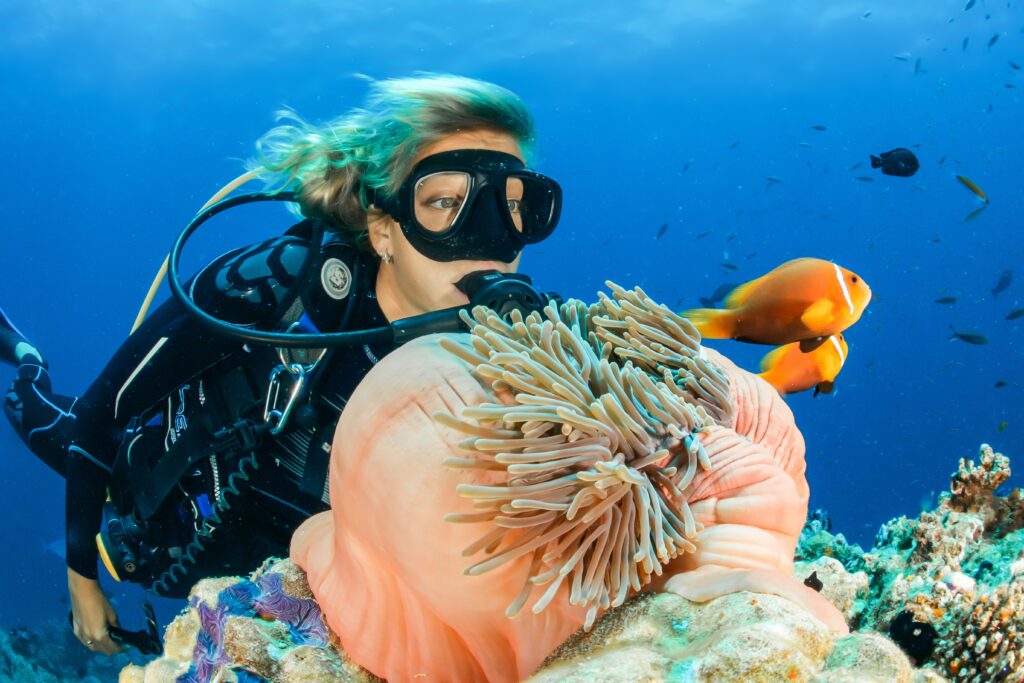
At the crossroads between the Indian subcontinent and Southeast Asia, its waters are teeming with diverse schools of tropical fish, sharks and manta rays. Almost every resort on the island has a diving school, where visitors can take lessons and rent gear.
Best Time to Visit: Dec – May
Where to Dive: Maaya Thila, Banana Reef, Kandooma Thila
Bali, Indonesia
Even within the depths of Mother Nature, manmade attractions still exist. Photo by Sebastian Pena Lambarri
Between the Pacific and Indian Oceans lies the flourishing waters of the island of Bali, where bountiful marine life and endless coral fields abound. Even amongst the 13,600 islands that make up Indonesia, it is highly unique thanks to the many varieties of diving experiences available.
From the adorable eels of Menjangan Island, to the ethereal manta rays of Nusa Penida and even spooky shipwrecks such as the USAT Liberty, boredom is simply impossible here if you’re a diver.
Best Time to Visit: May – November
Where to Dive: Shark Point @ Padang Bai, Nusa Dua, Nusa Lembongan
Palau
Many dive sites have wrecks sunk from war or weather. Photo by Milos Prelevic
Palau is a chain of 340 tiny islands surrounded by seas filled with weird and wonderful creatures.
The reef fields here shelter unique fishes such as the psychedelic-looking mandarin fish or the humphead wrasse and its prominent pompadour. But, for the truly bizarre, you can look to the squiggly noodlefish and the stingless Golden Jellyfish, which only lives in one particular island lake in Palau – Jellyfish Lake (you can only snorkel here though).
Best Time to Visit: October – May
Where to Dive: Jellyfish Lake, Blue Hole, Zero Fighter Site @ Ngaremediu Reef
Great Barrier Reef, Australia
The Great Barrier Reef has many a giant lagoon. Photo by Yanguang Lan
The Great Barrier Reef is the world’s largest and longest coral reef system which straddles the northeastern Australian coast.
This abundance of coral, combined with warm waters, means an explosion of marine life of all shapes and sizes. It’s no wonder then that the Great Barrier Reef is the place to catch coral ecosystems at their most beautiful.
Popular dive sites include the famous Cod Hole, which features the potato cod, a giant greyish-brown, polka-dotted grouper with a curious personality towards divers.
But, for more variety, Challenger Bay has sprawling coral fields filled to bursting with species as diverse as angelfish, barracudas, eels, stingrays and even sharks!
Best Time to Visit: May – October
Where to Dive: Cod Hole, Challenger Bay, Lighthouse Bommies
Similan Islands, Thailand
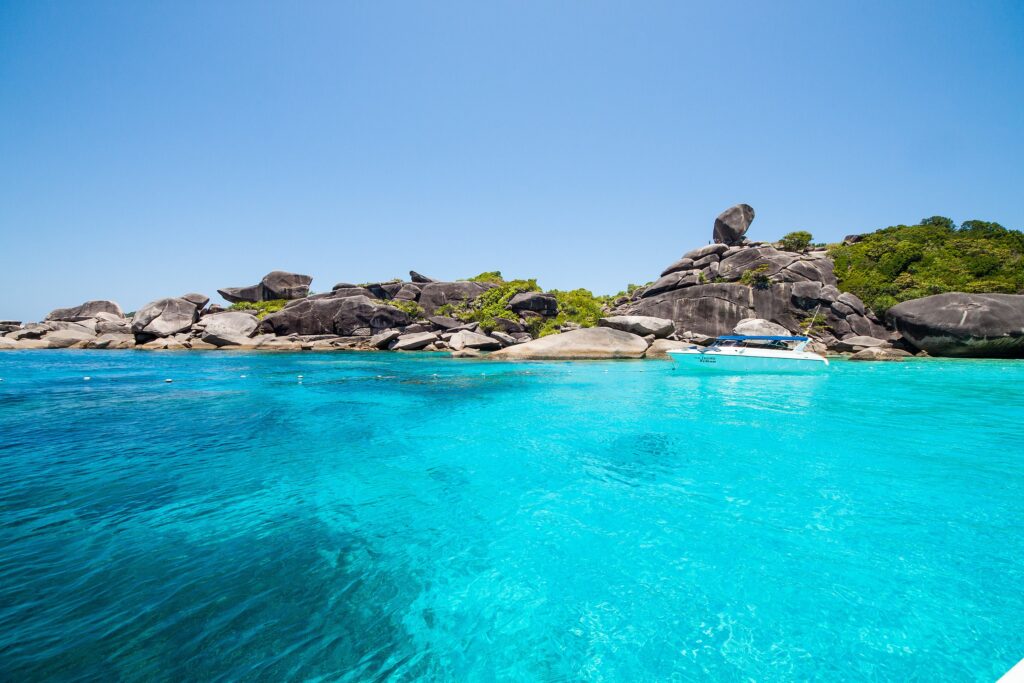
Remarkable rock formations and stunning seas, only in the Similan Islands. Photo by Orataikon
The Similan Islands have almost everything you could ask for with a diving spot – rich coral gardens, large marine species such as whale sharks and even massive rock formations as a bonus! Little wonder the islands are protected as a national park.
For impressive geography, check out the twin sites of Shark Fin Reef and Boulder City, which feature giant stone peaks barely peeking above the waterline (hence the “shark fin”) descending into a boulder-strewn bottom filled with coral reefs residents. For star wildlife like sharks and manta rays, check out their favourite hangout at Koh Bon Island.
Best Time to Visit: November – April
Where to Dive: Shark Fin Reef, Boulder City, Koh Bon Island
Green Island, Taiwan
A volcanic landscape surrounded by pretty emerald seas. Photo by Matt Tsai
Right at the edge of Taiwan near the Okinawan islands is Green Island or Ludao, a little-known diving hotspot.
This volcanic island is so remote that there’s no other land in sight for kilometers around, which makes its colourful corals and their inhabitants all the more attractive.
Although pretty niche as a diving spot, it’s been gaining popularity for its romantic sights on land and its dazzling underwater spectacle.
For a spectacular example of how the island’s volcanic past has shaped the local wildlife, try Chicken Reef, a hollow, volcanic and chicken-headed rock formation that’s covered in outstretched coral and a whirlwind of tropical fish.
Fauna enjoyers may get a kick out of Gongguanbi and Gun Shui Bi, which boast small nudibranches and rare hammerhead sharks respectively.
Best Time to Visit: May – September
Where to Dive: Chicken Reef, Gongguanbi, Gun Shui Bi
Guam, United States
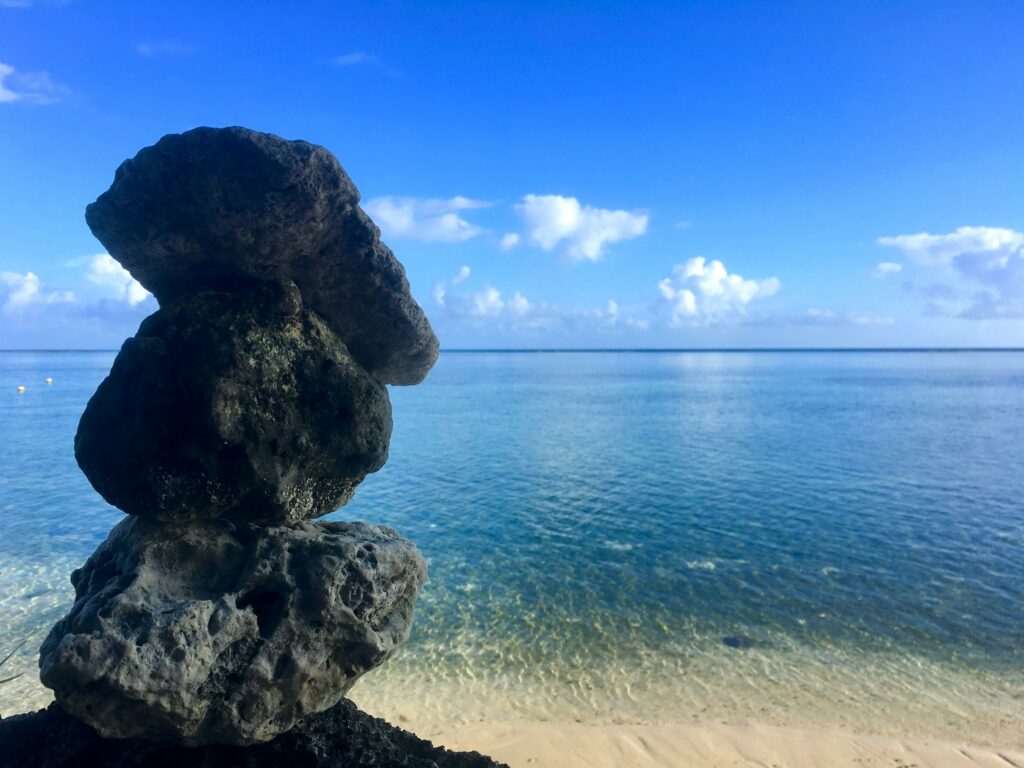
The waters off Guam are crystal clear. Photo by Flo DC
The largest of the Pacific Mariana Islands gets a lot of attention for its not only for its rare fishes and invertebrates but also for its one-of-a-kind diving experiences.
Flourishing reefs, geological wonders and reminders of past conflicts are just some of the diverse diving activities that have put Guam on the map for diving enthusiasts.
Chief among these is the Blue Hole, a giant, navy blue sinkhole where crystal clear waters give way to exceedingly deep tunnels that are accessible to only the most skilled.
The other signature of Guam are its large number of wrecks, most of them dating back to World War 2 such as the Tokai Maru, Kitsugawa Maru and the SMS Cormoran.
Best Time to Visit: December – April
Where to Dive: Blue Hole, Tokai Maru, SMS Cormoran
Cebu, The Philippines
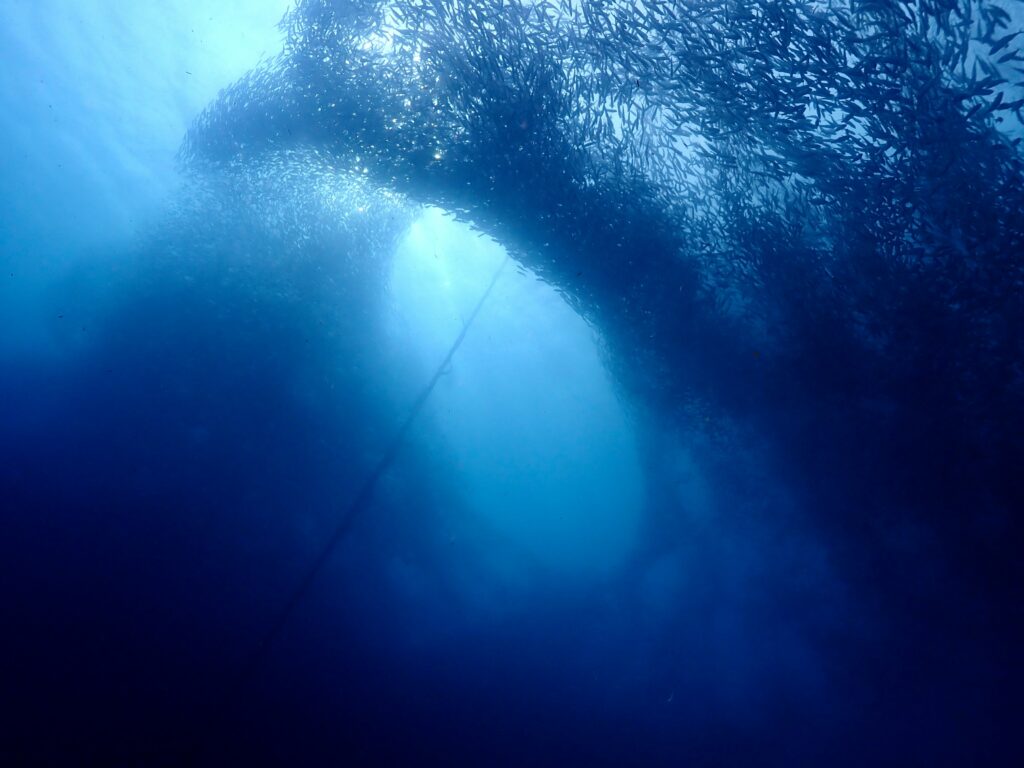
Schools of sardine swimming around Moalboal in Cebu. Photo by Claus Giering
If you’re looking for a warm welcome and a memorable dive that stays with you long after the wetsuit dries up, it’s pretty hard to go wrong with Cebu.
This island’s reputation for colourful seas, white sands and resorts is only matched by its fame as a Mecca for diving, all thanks to fully kitted diving facilities and many diving classes.
And even if you aren’t into scuba, there’s plenty of snorkelling spots here to keep you well occupied.
A Cebu specialty can be found at Moalboal with its iconic sardine run, where you’ll be surrounded by huge schools of sardine swimming in a whirling tornado-like mass.
But, for a more laidback time, try the easily accessible Mactan Island for its coral fields. Here, eels and glowing fish lurk around the nooks and crannies of coral.
Best Time to Visit: December – May
Where to Dive: Moalboalm, Mactan Island, Malapascua Island
Great Blue Hole, Belize
The Great Blue Hole is one of Belize’s diving greats. Photo by The TerraMar Project
The mother of all blue holes, the Great Blue Hole lies 100 kilometers off the coast Belize and reaches depths of 125 meters at its deepest point.
As you descend deeper into its jaws, the water gets even clearer, revealing caverns full of rows of massive teeth-like stalactites with the occasional shark or dolphin weaving through them. This complex geography combined with the caverns’ depth make this an extremely difficult dive that demands training and experience.
But even if you can’t go all the way down, don’t stop there just yet! Belize has plenty of other beauties such as Half Moon Caye and Glover’s Atoll, both marine paradises teeming with life.
Best Time to Visit: April – June
Where to Dive: Great Blue Hole, Half Moon Caye, Glover’s Atoll
A Thousand Miles Journey is a travel website dedicated to uncovering the world’s most fascinating stays, places and foods ― even if it takes us a thousand miles!