
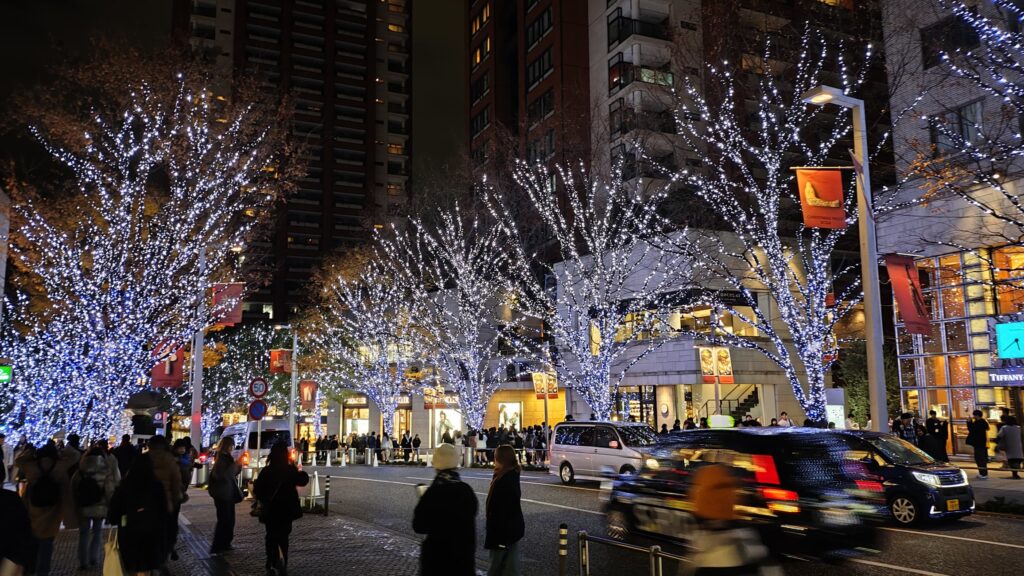
As a Malaysian, holidaying in Japan can be hard.
Not only do you have to deal with the language barrier, you also have to decide when to visit.
And among the traditional twin terrors of summer and winter, it’s obvious which one we Malaysians have a harder time with.
Yep, it’s the bitterly cold and bitterly windy winter.
But fear not, here’s some tips on how to survive winter as a Malaysian!
Dress lightly (with layers)
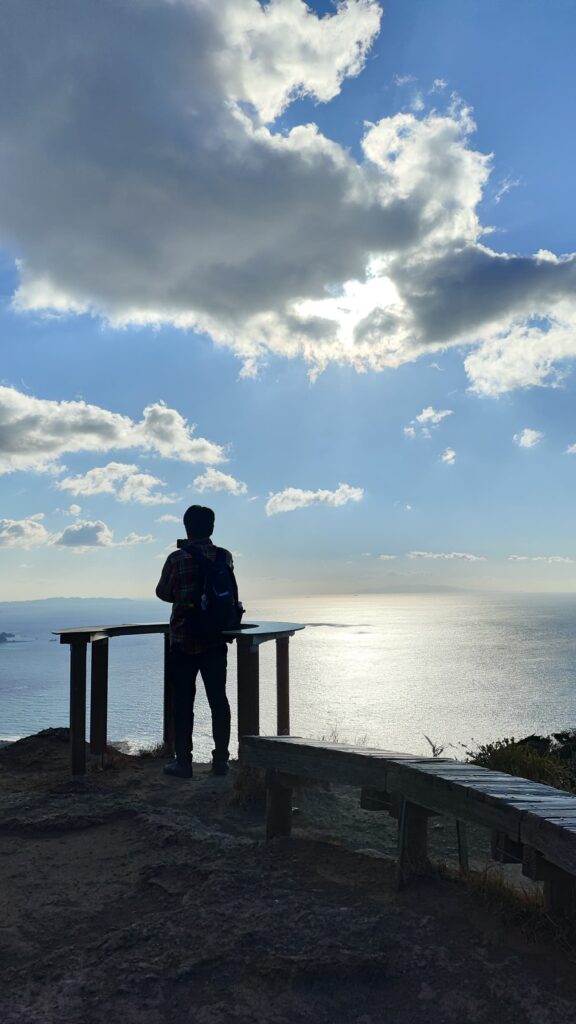
This may sound counterintuitive, but hold on a minute.
Being a First World country and all, most stores and indoor areas in Japan are heated or at least climate-controlled. I mean, even trains here have heaters installed underneath seats to keep your bum nice and toasty during your journey!
So unless you want to come out sweating buckets underneath an Arctic-grade jacket, proper layering will be extremely important.
Depending on your cold tolerance, I recommend at least three layers: an inner shirt, a fleece or windbreaker and finally, a coat.
But more importantly, all these layers should be easily removable. Or, at the very least, easily unzipped or unbuttoned. This will allow you to warm up or cool down as needed when you’re traversing through both indoor and outdoor environments. A good rule of thumb is – if you’re sweating, then it’s time to remove some layers.
Tip: Bring along a compact or foldable tote bag to stuff your winter clothes into when you don’t need them. It’s great for shopping too!
Keep warm
It goes without saying, but keeping warm can be the difference between a memorable holiday and your fingers feeling numb for a week.
Besides the obvious winter clothes like coats and pants, keeping your hands, neck and ears covered is an often overlooked part of winter preparations. Even just 15 minutes out in the cold can leave them numb, so packing a pair of gloves, a scarf, and a beanie or earmuff is essential.
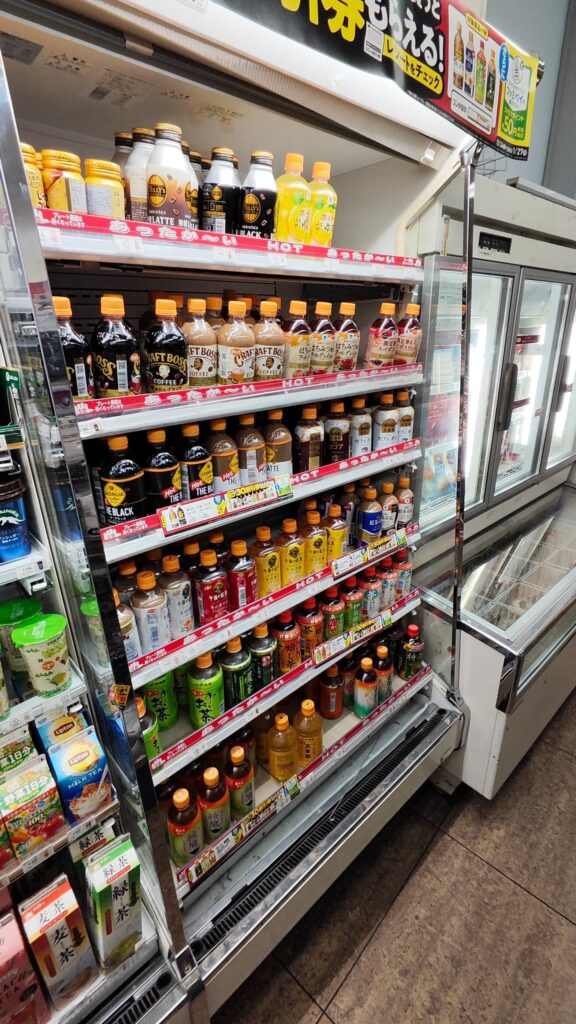
And even then, retreating indoors occasionally at a nearby Lawson or Seven Eleven is a great way to get a breather from the elements nibbling at you. Do get some hot drinks while you’re there too, a bottle of warm tea or orange juice out in the cold can do wonders for the Malaysian soul.
Tip: Bring along a thermos or vacuum flask to store some warm water from the tap or your hotel room kettle, buying hot drinks all the time can add up!
And if all else fails, you can always visit an onsen inn or sento bathhouse! Most stay open till midnight, with some even operating 24 hours!
Moisturize and protect
An easily overlooked aspect of winter for us Malaysians is how dry it can be.
Due to lower temperatures, the air holds much less water vapour and humidity. This means that your body is basically bleeding water through increased condensation, resulting in painful cracked skin at particularly vulnerable parts of your body like the fingers and lips.
This is why creams, lip balms and moisturizers are must-haves when you’re travelling in Japan during winter. Not only do they reduce moisture loss, they also provide some much-needed hydration as well. Of course, keeping yourself hydrated with plenty of hot water and tea is just as important when you’re out and about.
And don’t forget, even if you aren’t sweating it out at the beach, you’re still getting bombarded with UV rays out in the open. So, if you’re spending a decent amount of time outdoors, make sure to get some decent sunscreen on that skin!
Watch out for opening hours and holidays
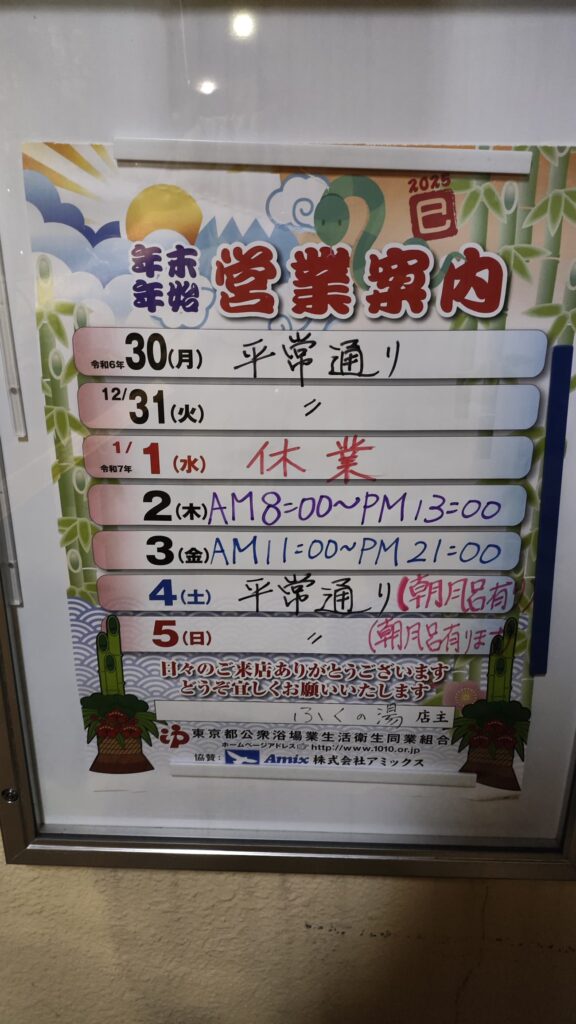
If you think Japan being one of Asia’s most prosperous countries means long business hours, maybe reconsider a little.
Malaysians might expect to start and end their shopping spree at 10am and 10pm respectively year-round with no issue, but in Japan, there’s actually different opening hours depending on the time of year!
Based on the official Japan National Tourism Organization website, here is a rough list of the business hours during most times of the year:
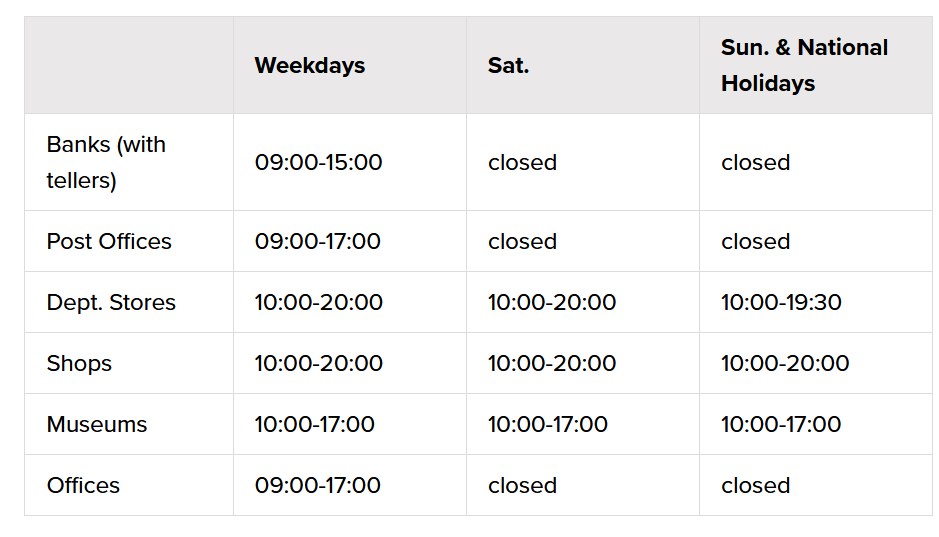
As you can see, most places in Japan roll down their shutters pretty early, with even the biggest department stores shutting down by 8pm.
In winter, this gets even trickier as most stores and attractions will open later and close earlier – think 11am to 7pm. In fact, I’ve even seen some small specialty stores or family businesses wrap by 3pm or 4pm!
This is further complicated by New Year’s. Besides being one of Japan’s biggest holidays, there’s also not really a standard number of days when businesses will be closed during the New Year. Some may close for just for New Year’s Day, others may close on New Year’s Eve while others might simply shut for the week.
So, when travelling to Japan in winter and especially the New Year holidays, make sure to check out opening hours beforehand on official websites or social media pages. For the New Year, a good term to search with your destination would be 年末年始 (nenmatsu-nenshi) or “New Year holidays”.
Another thing to take note is that travelling bright and early might not be the best strategy during winter because most places aren’t open before 10-11am. Travelling later or inserting some attractions that open early into the itinerary will be the best option here.
Pace yourself
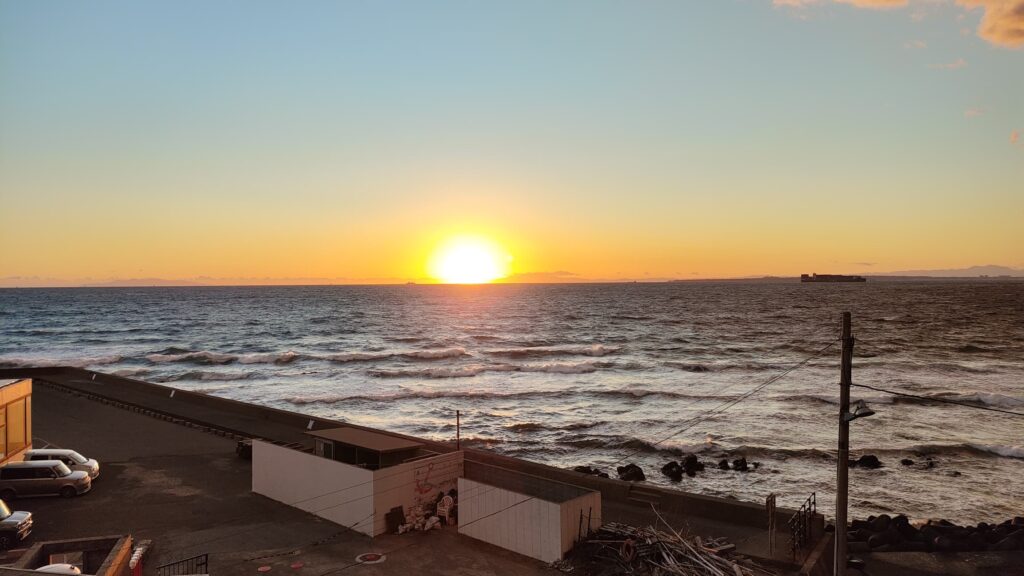
It goes without saying, but take it easy!
It may seem tempting to squeeze as much as possible into your itinerary, but winter can freeze even the most fit Malaysian traveller.
Not only will you be walking a lot more while in Japan, you’ll also most likely be struggling to navigate through unfamiliar places and the language barrier. Add the sheer cold on top – and this can be a huge strain on your health and sanity.
So, unless you want to end up a wreck, make sure to take frequent breaks! Whether it’s grabbing a quick snack at a konbini, ducking into a café for some caffeine or even just stopping at a quiet side street to take a breather, sometimes it pays to just follow the season and slow down a little. After all, it’s a vacation, not a race!
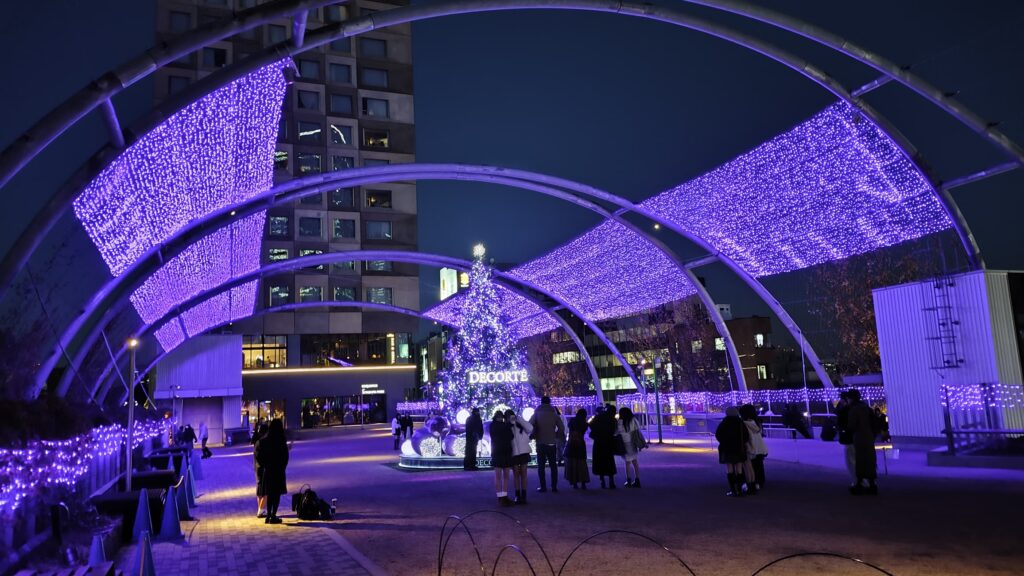
These winter tips may make Japan sound scary and all, but there’s actually plenty of reasons to visit Japan during this so-called “slow season”.
But, if you’re aiming for something a little warmer and closer to Malaysia, take a look at our twin guides to Beppu’s Eight Hot Spring Heavens and their devilish Seven Hells. Or if you’re looking for something off the beaten track, there’s our guide to Japan’s Seven Most Underrated Prefectures!

