
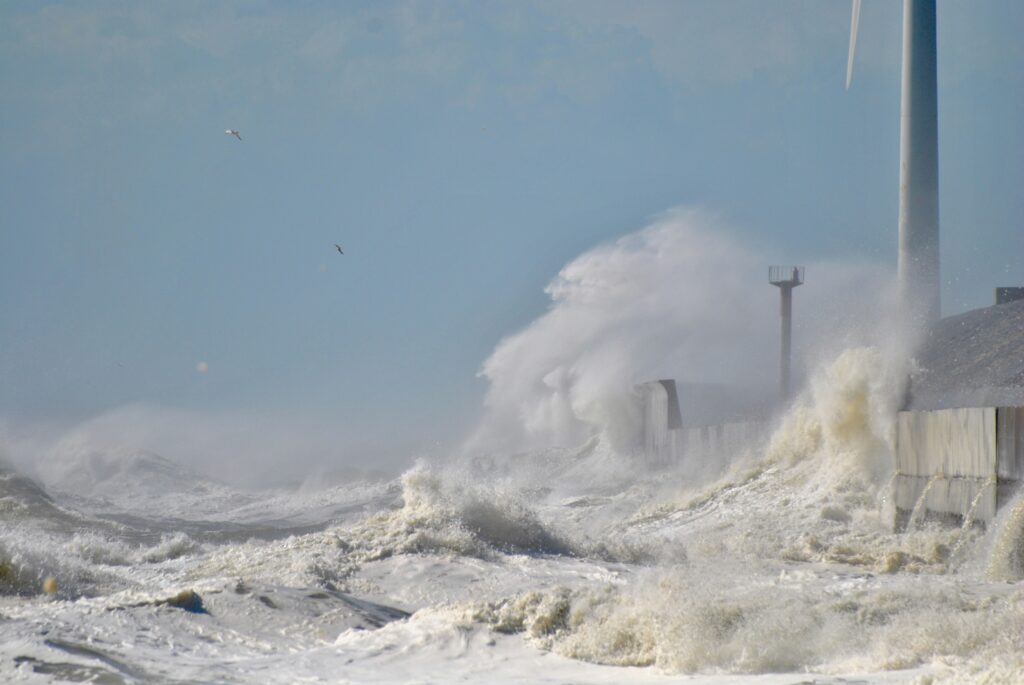
In recent days, news of earthquakes and tsunamis battering the Pacific-facing coasts of Russia and Japan have made headlines. Thankfully, little to no casualties were reported.
Although Malaysians are blessed to live in a relatively disaster-free zone, the same can’t be said about our favourite destinations.
So, to better prepare ourselves, let’s talk about how to survive the invisible yet deadly tsunami.
What are Tsunamis?
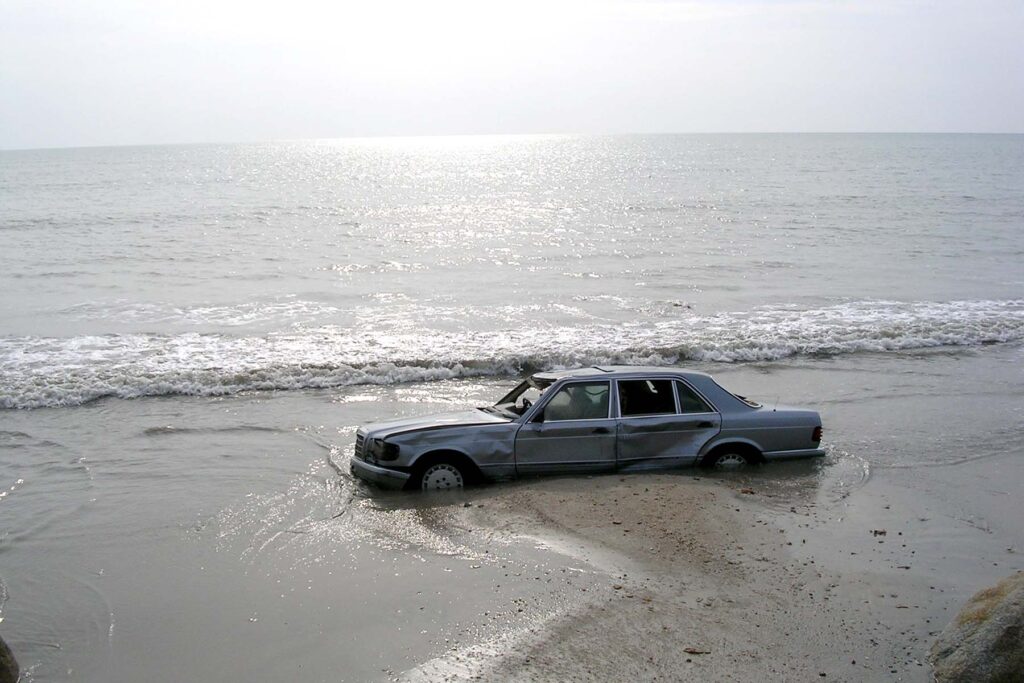
Tsunamis, or “harbour waves” in Japanese, are a series of huge ocean waves caused by massive geological events, typically massive underwater earthquakes.
It’s no surprise then that tsunamis are frequently found in the Pacific Ring of Fire, a cluster of geologically active and earthquake-prone regions within the Pacific Ocean which encompasses countries like Japan, the Phillipines, Indonesia as well as North and South American countries.
Besides the obvious danger of a massive wall of water travelling up to 800km/h, tsunamis can damage buildings and sweep away debris, creating additional dangers for anyone caught inside the churning waves.
Tips on Surviving Tsunamis
Take Precautions
The first and best thing to do is simply prepare before you even leave for the airport!
If you find yourself visiting coastal regions along the Pacific or historically earthquake-prone regions, taking some precautions beforehand can mean the difference between a scary or tragic experience.
Here are some simple things to do to make your trip tsunami-resistant:
- Save the phone numbers of local emergency services and the nearest embassy or consulate
- If the locals don’t speak much English, download an offline translation app just in case the Internet goes down
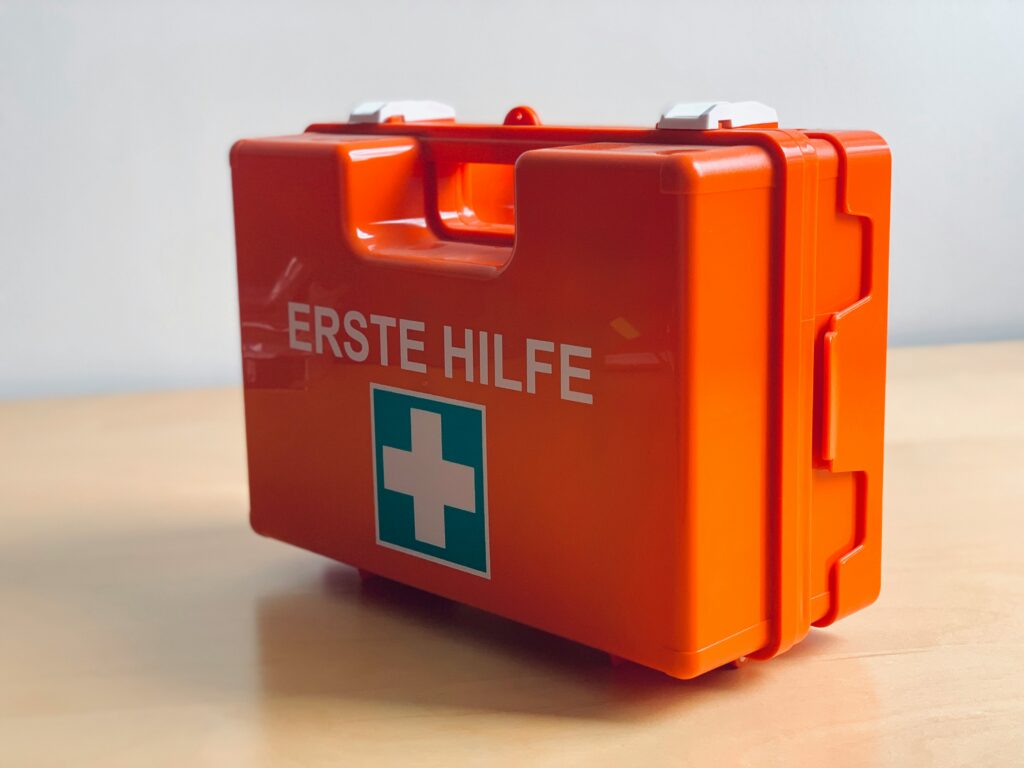
- Bring a travel first aid kit with some bandages and antiseptic cream
- For those with chronic medical conditions, bring a enough medicine to last a few days.
- Buy travel insurance to cover extra travel costs or injuries
Follow Warning Signs
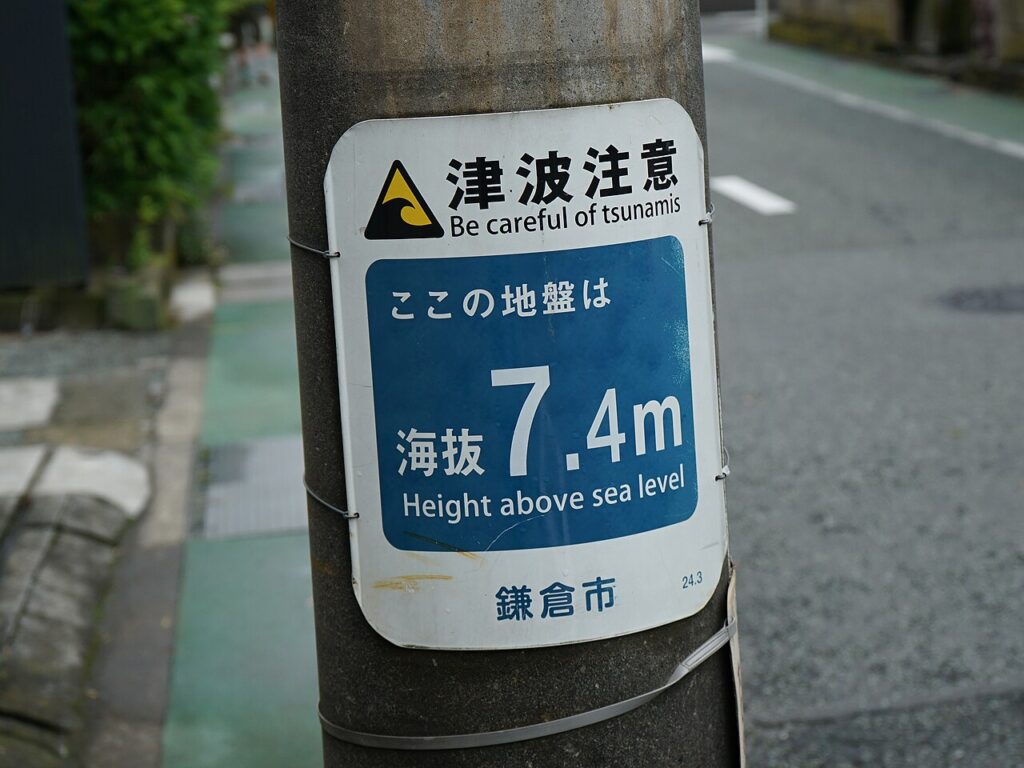
Tsunamis rarely come out of nowhere, so make sure to listen to both natural and manmade warning signs.
For natural signs, the most obvious is a sudden retreat or lowering of the sea levels, which signals a huge incoming change just beneath the surface. Witnesses have also reported hearing loud roars coming from the ocean before the tsunami arrives.
As for manmade signs, take note of any warning signs about tsunamis at the beach or in nearby residential areas. Of course, loud sirens and SMS warnings, completely empty beaches and patrolling police are also more signs to get as far away as possible from the water.
And if there’s an earthquake while you’re next to the ocean, do not wait for any official warnings – head straight for high ground.
Evacuate to High Ground
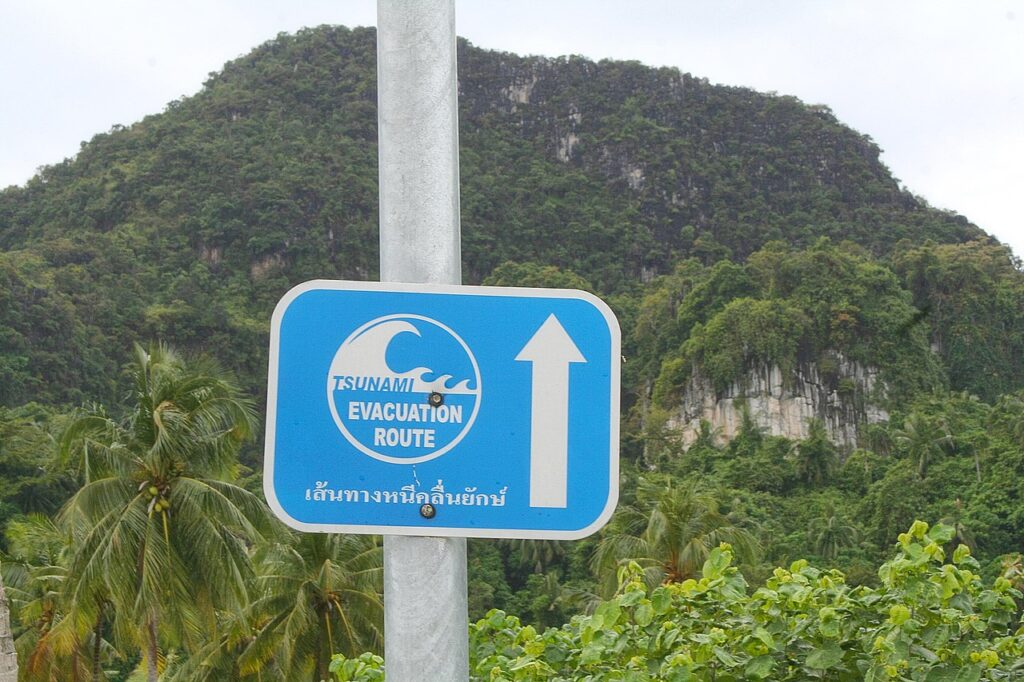
If it’s clear that a tsunami is coming or there’s been an earthquake during your beach holiday, heading inland to high ground is the first thing you should be doing.
High places such as hills and mountains or tall, sturdy buildings about 30m high and 1.5km inland are the recommended places to flee to. If you’re unfamiliar with the area, then try following the lead of locals or the police.
After the initial waves hit, make sure to stay put and wait for the all-clear. Do not head back to the coast as tsunamis have been known to last hours or in rare cases – days.

Honestly, it’s exceedingly rare that you will come across a tsunami during your travels, so don’t let it scare you away from some of the world’s most beautiful coasts and beaches, such as the coastal heritage and beauty of Qingdao in China or Mount Nokogiri and its grand quarries and views over Tokyo Bay.
But, like they say, it’s better to be prepared than sorry.
Safe travels!


