
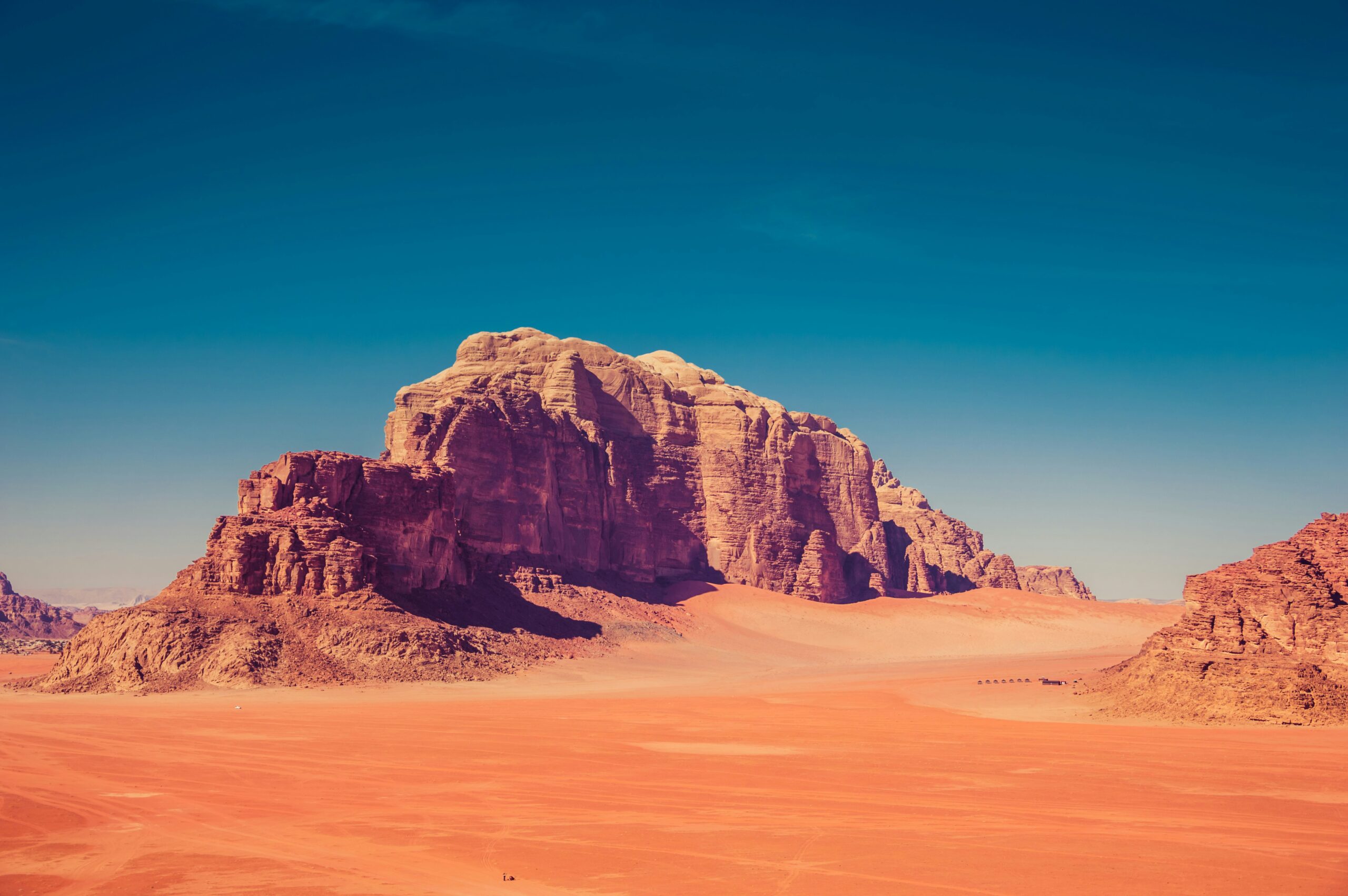
With Dune 2 just hitting theatres recently, it has kicked off a surge of interest towards the beautiful setting of this two-part sci-fi epic, which takes place mostly on a planet of endless desert.
Thanks to gorgeous cinematography and an exquisitely crafted blend of ancient civilizations and sci-fi imagination, the movie has gone well and beyond expectations, cementing its reputation as a critical and commercial darling.
But what exactly are the real-life inspirations for Dune?
Here are five places that inspired Dune that you can actually visit for yourself:
Abu Dhabi’s Golden Hour
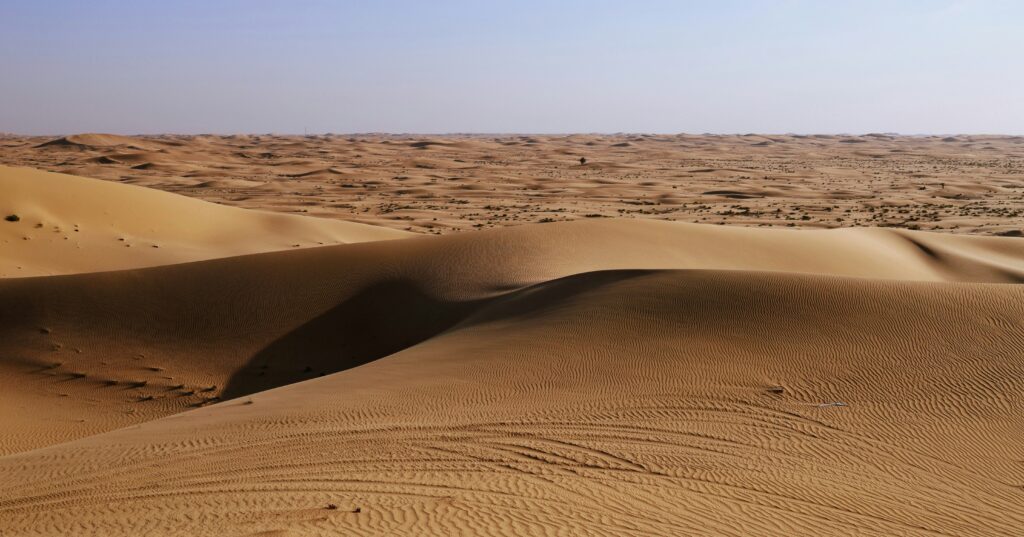
The films’ desolate and forlorn desert landscapes and buildings were inspired from the vistas and cultures of the Arabian Peninsula and North Africa. However, a large portion of the film’s iconic worm riding scenes were filmed in the deserts of Abu Dhabi.
The Moon Valleys of Jordan
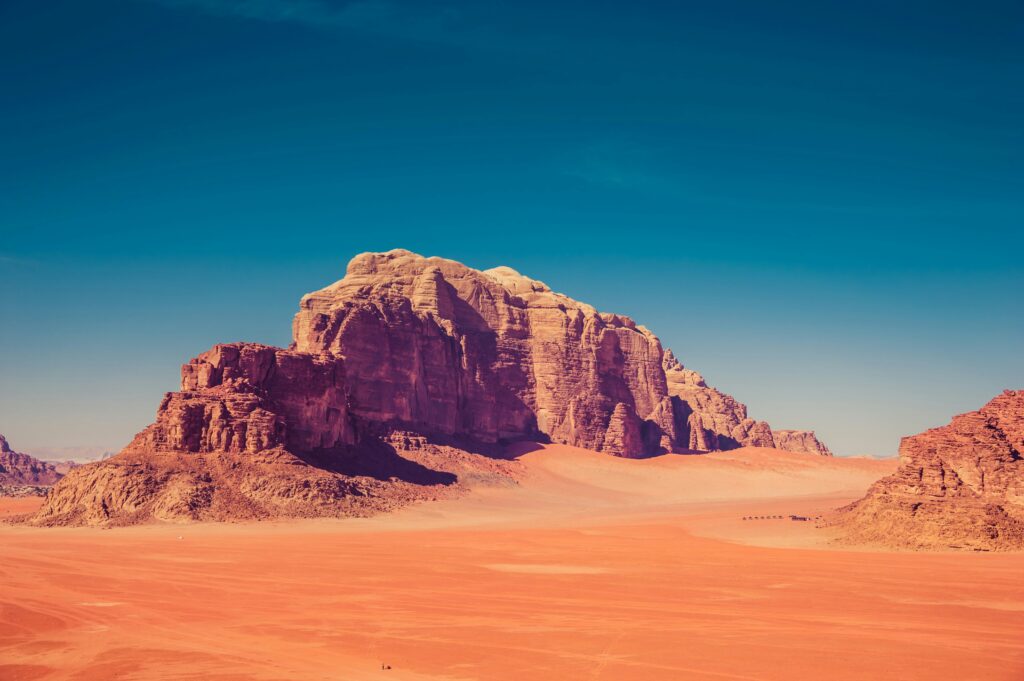
Looking back at Dune: Part One, most of the desert setting where House Atreides first arrives at Arrakis was filmed in the Valley of the Moon in Jordan. Not only that, a ton of other films have also used it as a backdrop for desert or extraterrestrial scenes. And it’s not hard to see why―its plentiful, surreal rock formations are surrounded by a vast desert, with golden sands that turn into a fiery, intoxicating rose red once the sun sets.
While the desert-dwellers in the movie are known as Fremen, in real-life the natives of North African and Arabian deserts are known as Bedouins.
Royal Italian Inspiration
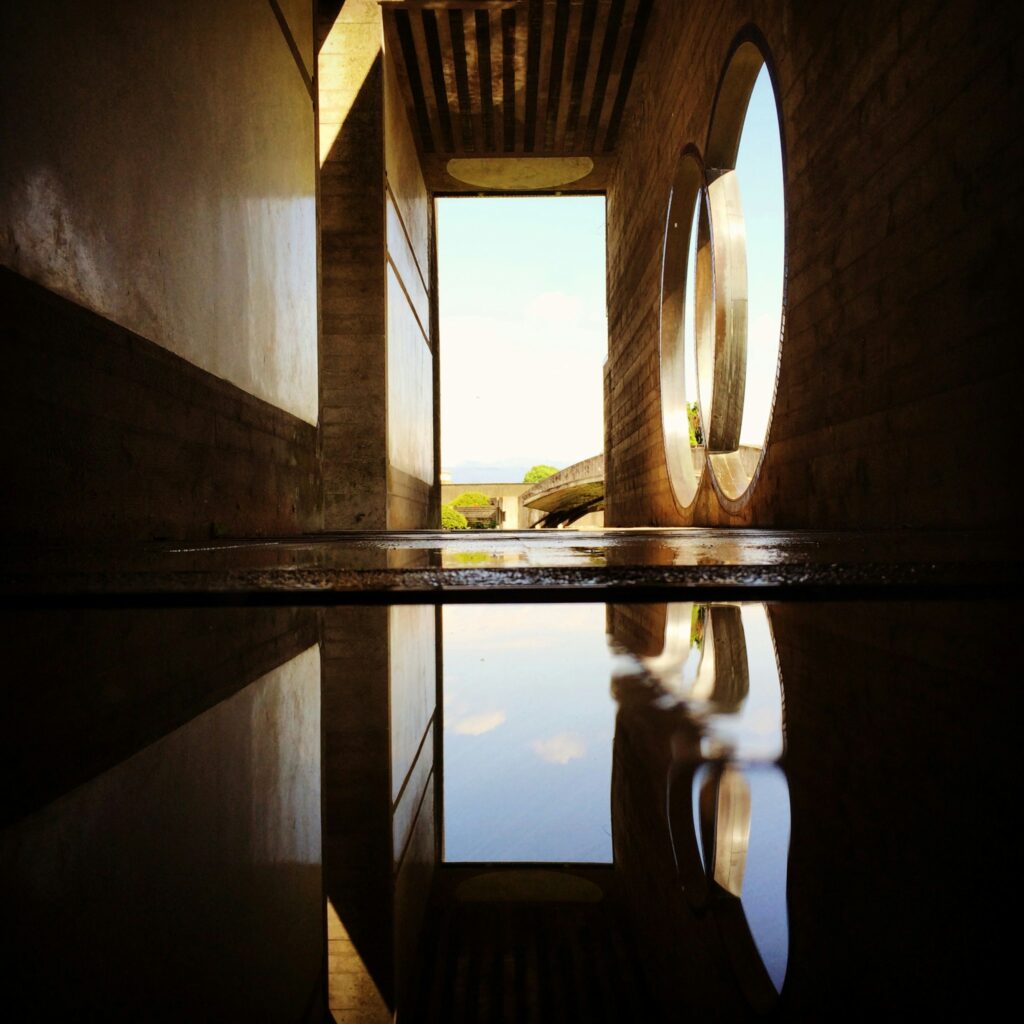
In the town of Altivole in Northern Italy lies one of Venetian architect Carlo Scarpa’s greatest works―the Brion tomb.
Not only is it breathtakingly simple yet majestic, it also brings with it a sense of calm and serenity. With its plentiful lawns, trees and even water lilies, this tomb is more akin to a garden. Thus, it serves as a fitting background for the imperial family’s privileged position and their aloof schemes.
Nordic Origins
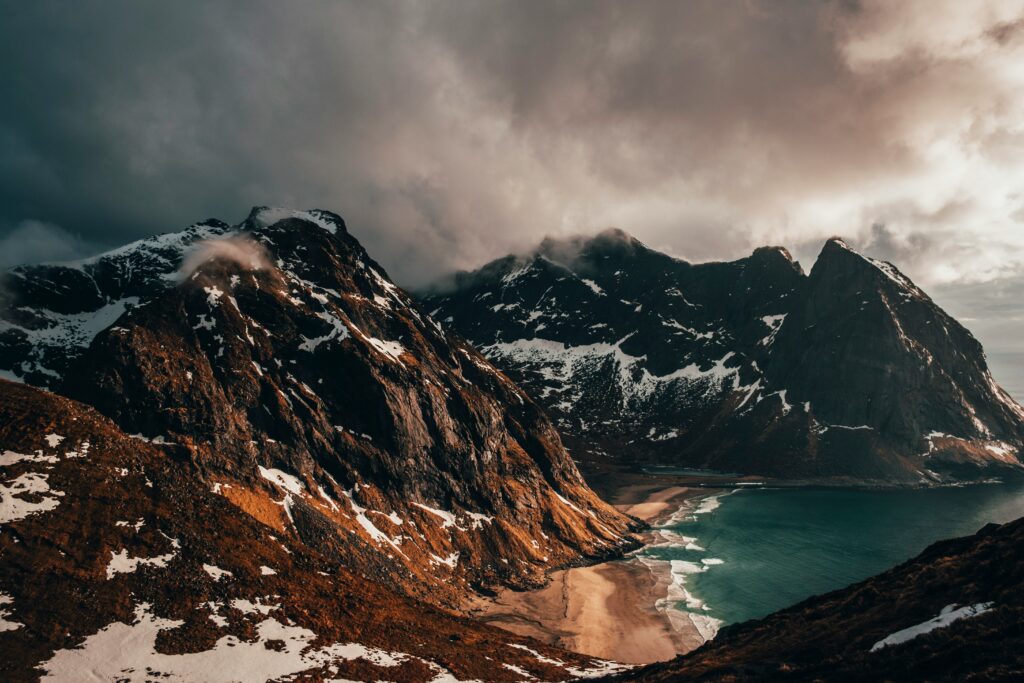
Before embarking on his journey, Paul Atreides’ home planet of Caladan is depicted as being filled with oceans. In order to depict the vastness and unfathomable depths of the planet’s oceans, its scenes were filmed on the wild and windswept cliffs of Norway’s Stad peninsula. The region’s magnificent fjords, mountains and mist-covered forests fit the bearing of Paul honorable house.
Mesopotamian Movie Magic
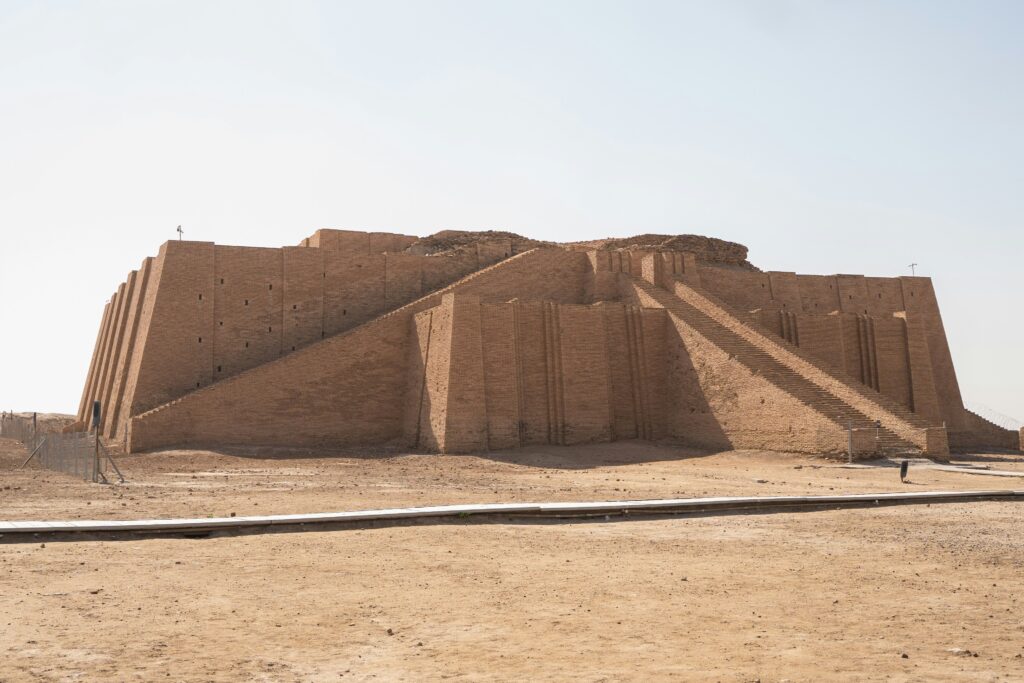
To depict the imposing fortress of Arrakeen, Dune’s art director Patrice Vermette drew inspiration from the ancient Mesopotamian pyramids called ziggurat, especially in terms of structure and stark beauty.
The ziggurat in Iraq’s ancient city of Ur bears a striking resemblance to the impenetrable fortress in the movie, which gives it an air of unearthly, utopian paradise amidst the unforgiving desert.
Dune is a masterpiece of sci-fi cinema that conjures a masterful illusion of the buffeting sands of Arrakis. To those who have yet to watch this masterpiece, make sure to watch it in IMAX!

