
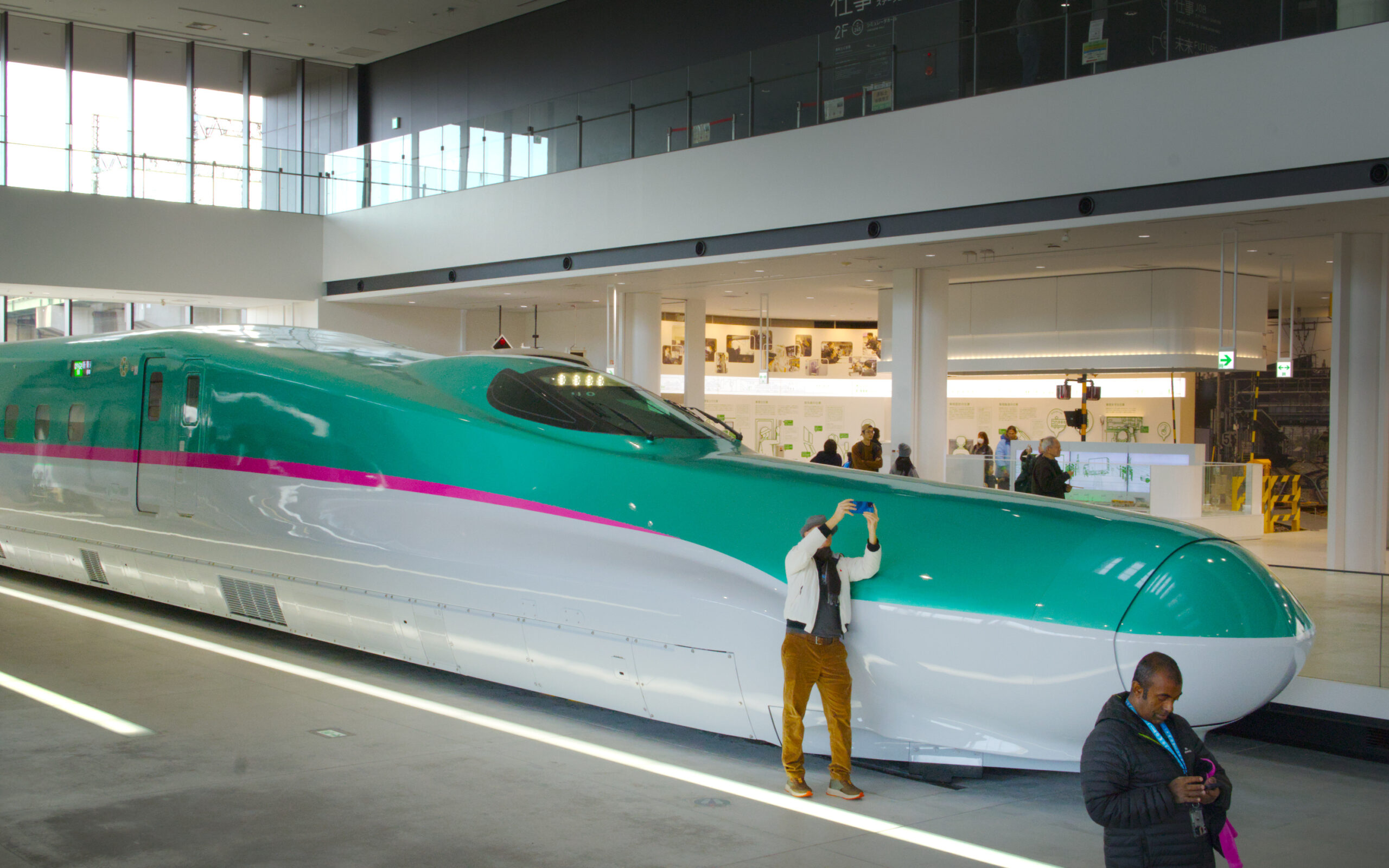
Japan’s got great trains, but is there a place to celebrate them?
Yep, it’s called The Railway Museum of Omiya, Saitama.
A hidden gem among travellers to Japan, this rail museum’s got tons of immersive exhibits, super convenient facilities and, of course, lots and lots of trains!
So, let’s explore the past, present and future of Japanese trains at The Railway Museum of Omiya, Saitama.
Opened in 2007 and renovated in 2018 by the JR East railway company, the Railway Museum – its official name – is located in Omiya City of Saitama prefecture, just north of the mega-capital-prefecture Tokyo.
Though relatively close, the museum is still quite a trek away from central Tokyo, taking about 45 minutes to an hour by train. It’s not quite a 1-day excursion to Mount Nokogiri, but be prepared to spend at least half a day.
Recently, I managed to pay a visit to the museum in the winter of January 2025. Here’s how I made it there and what I discovered:
How to Get Here
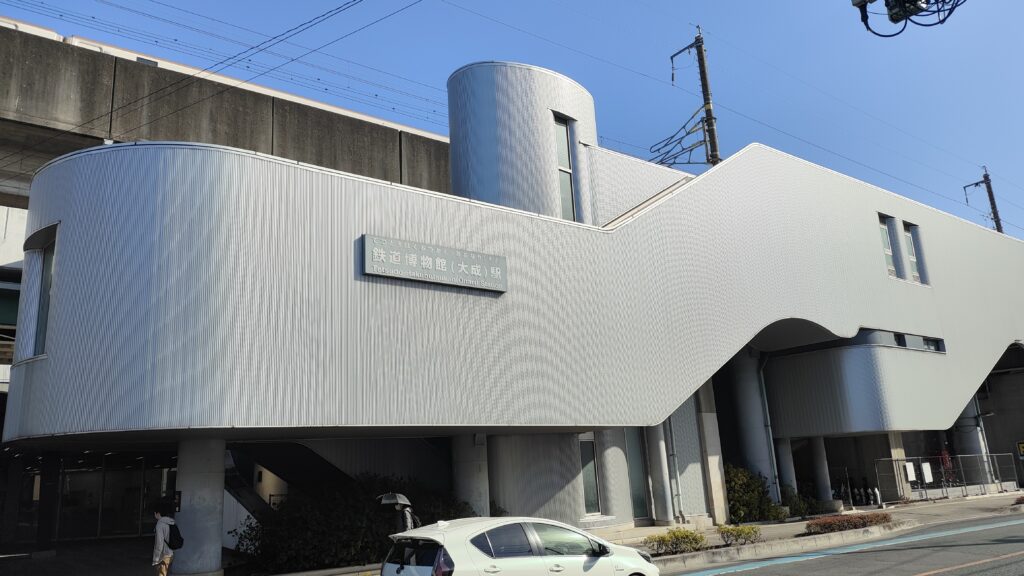
From Tokyo, take the Utsunomiya, Takasaki or Keihin-Tohoku Lines up to Omiya Station. Then, after quite a bit of walking, transfer onto the New Shuttle rail and stop at the Tetsudo-Hakubutsukan (Rail Museum) Station.
And…that’s it! Fittingly for a rail museum, the station building is connected directly with the Rail Museum, letting you walk on over via a sheltered walkway.
Railway Museum (Omiya, Saitama)
〒330-0852 Saitama, Omiya Ward, Onaricho, 3 Chome-47, Japan
Open Wed – Mon 10am – 5pm, closed on Tuesdays
Railway Museum Tips
If you plan to visit the Saitama Omiya Railway Museum, here are some tips to make your visit go smoother:
- Download the app(s) beforehand. Besides entering and winning timeslot raffles for various train simulators, you can also read up on in-depth exhibit info in multiple languages. (Railway Museum App | Railway Museum Raffle App)
- Keep an eye on the regular daily events. Even if you can’t score a simulator slot, there are still regular events to catch, particularly on the weekends and holidays. Here’s the full list of events and experiences for the Railway Museum.
- Pick up a digital or physical copy of the brochure. It’ll make your visit so much easier! Try challenging yourself to visit each of the 36 rolling stock exhibits. Watch out: there’s a few obscure ones!
- Visit early and during the weekends. You’ll catch more events, more raffle slots and avoid simulator queues.
The Entrance
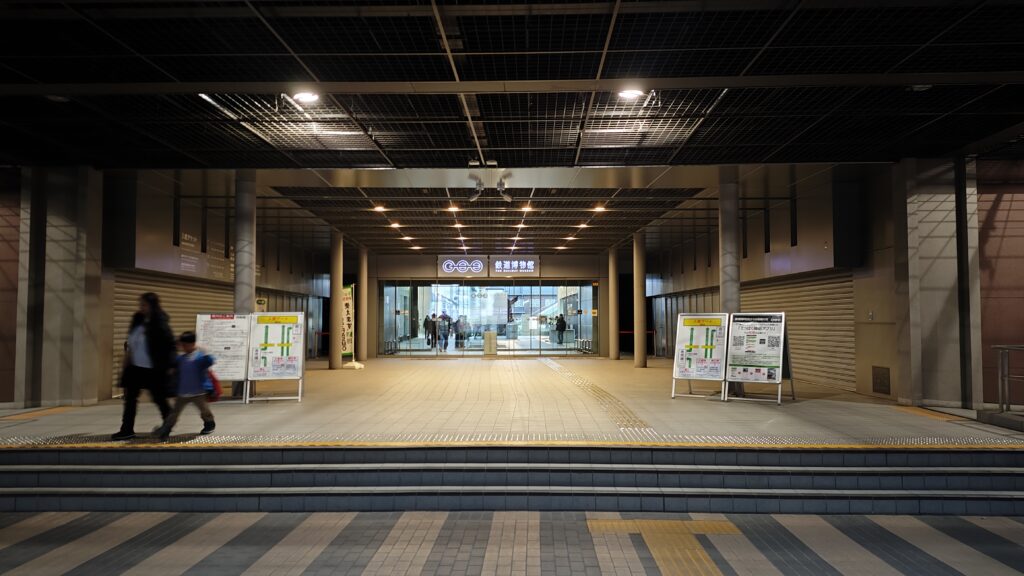
Even before you step foot through its doors, the Railway Museum already goes all out with wheel mechanisms, classic coaches, and even a steam locomotive. The airy, steel corridor bathed by a crosshatch of colourful steel beams also gives you a preview of what to expect inside.
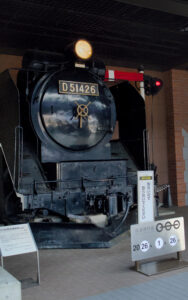


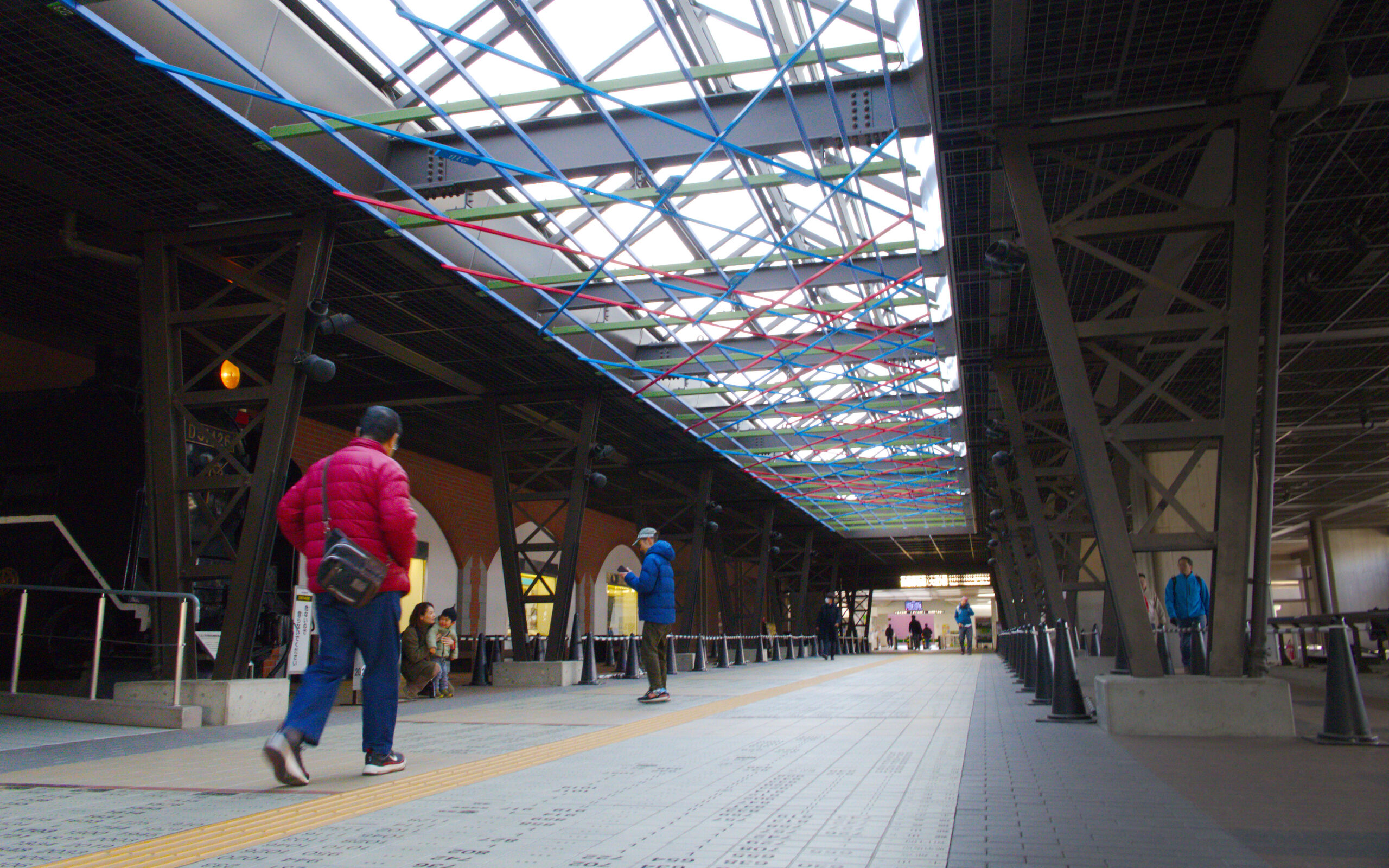
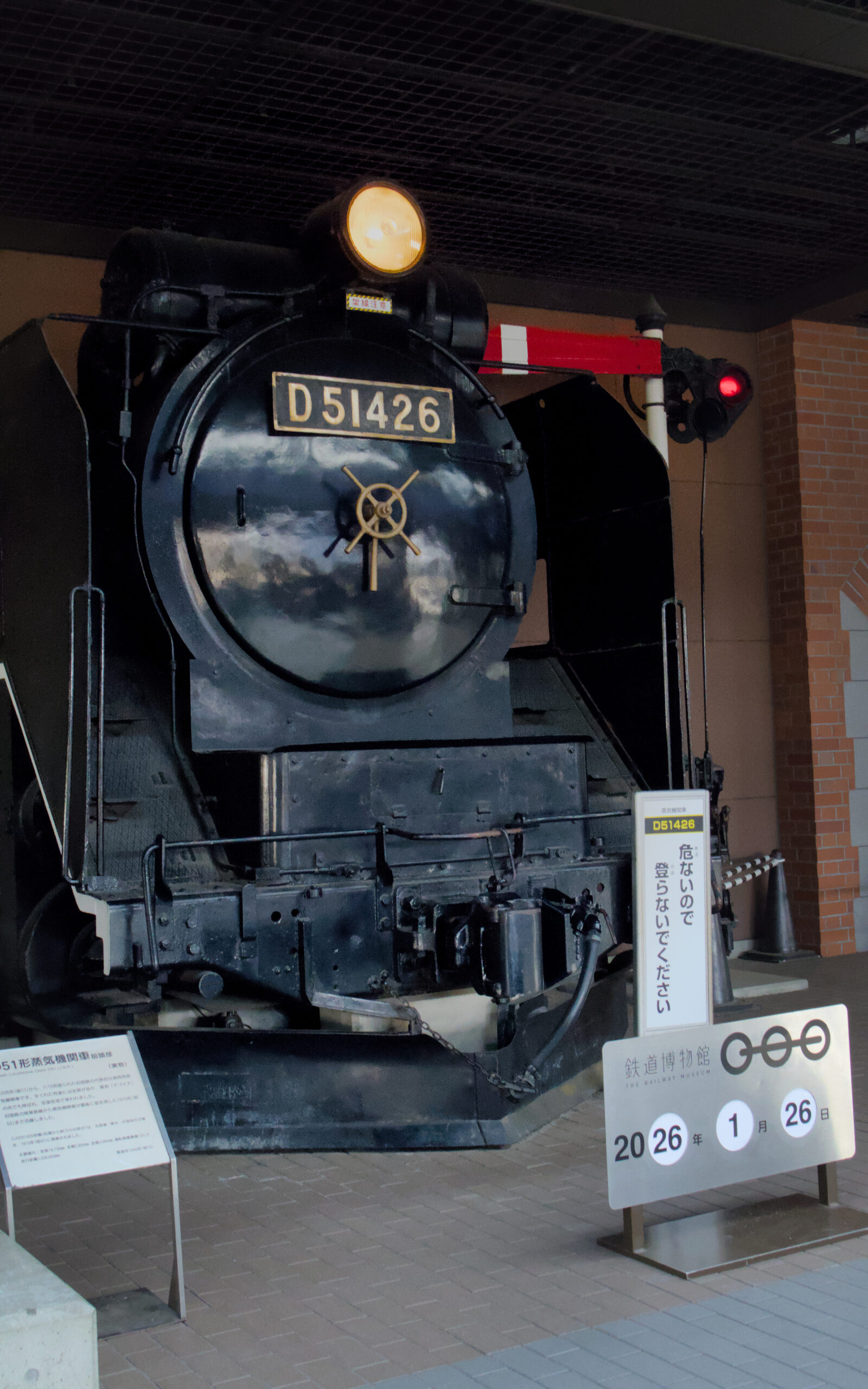
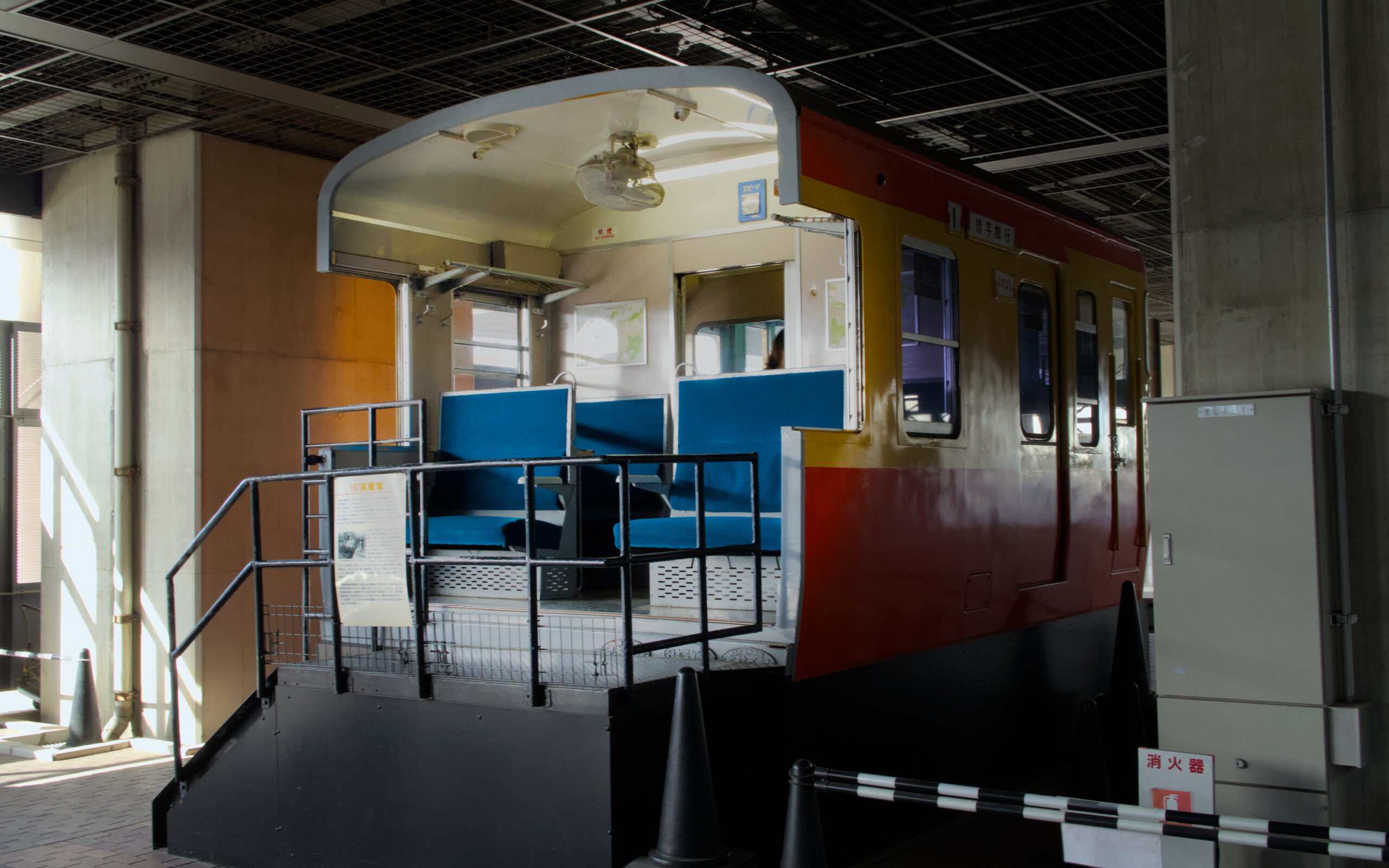
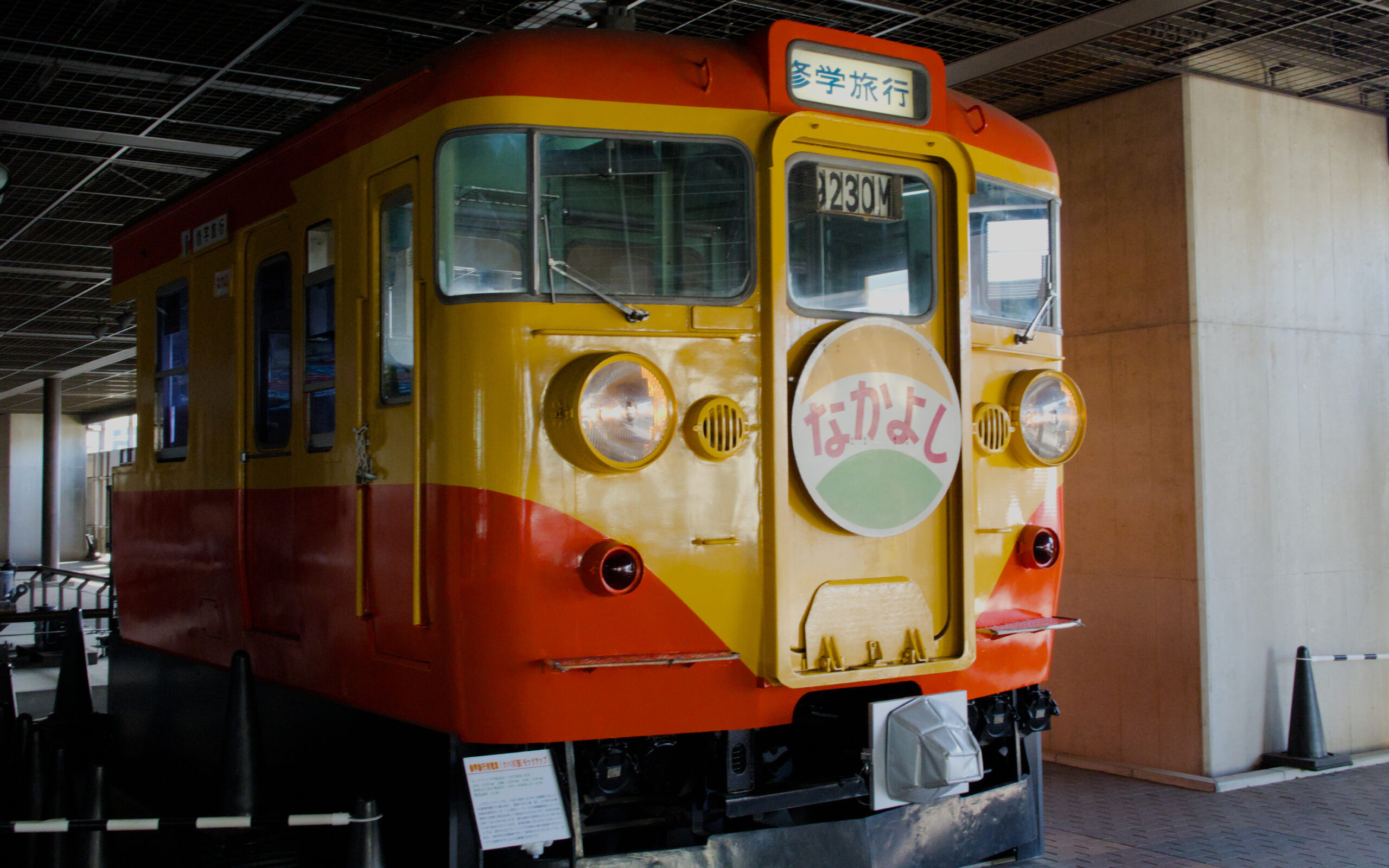
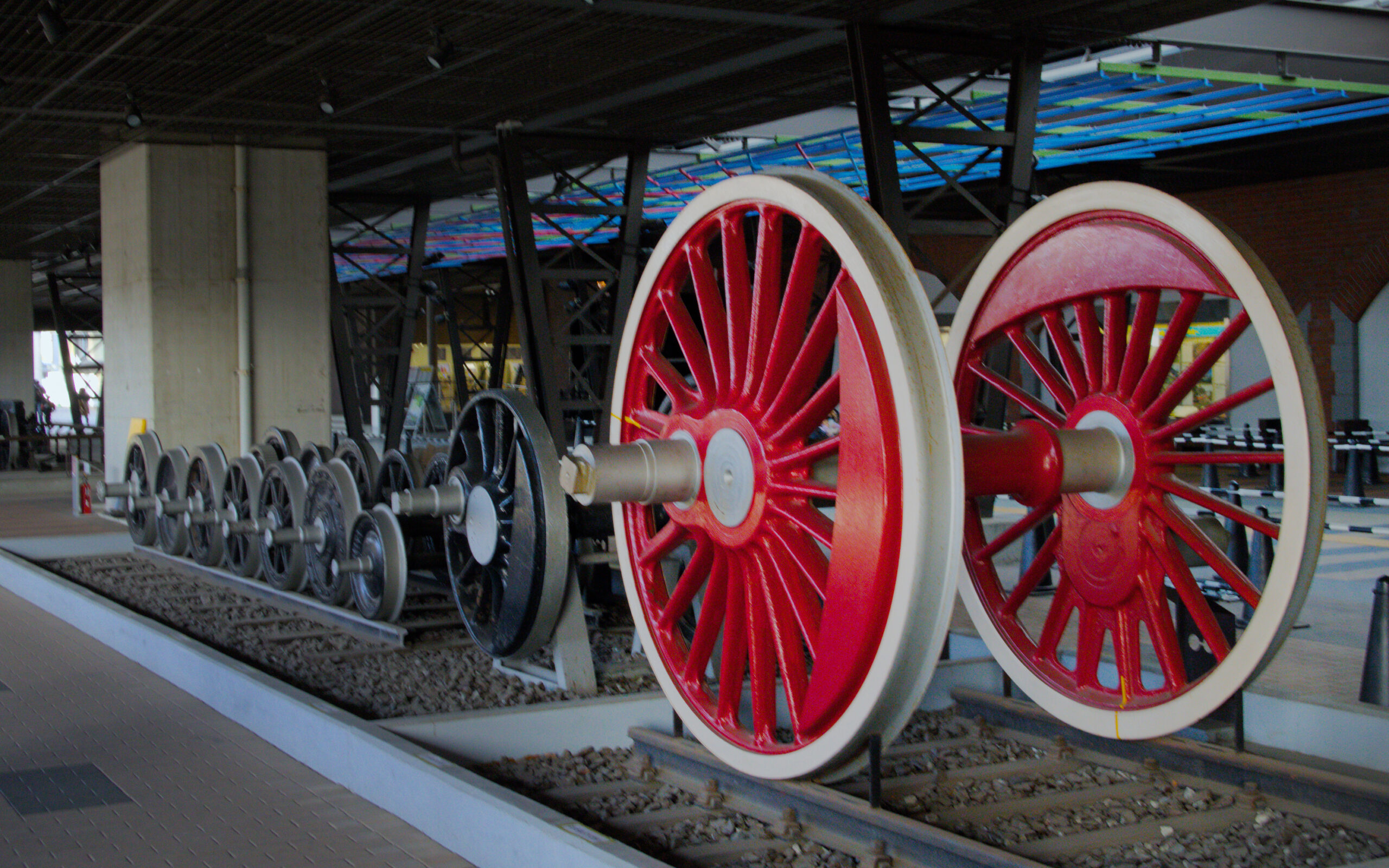
What’s the difference between trains and locomotives?
Locomotives are rail cars with engines or motors that propel the entire train. Train refers to both locomotives and any accompanying carriages, or rolling stock as they are called in the industry.
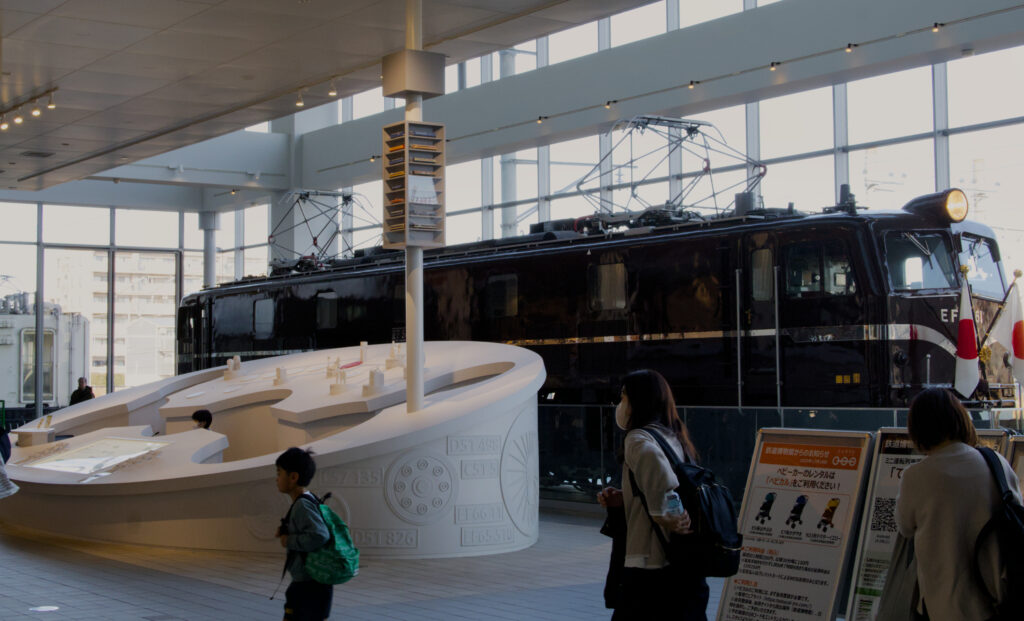
Entering the museum, you’re greeted by a glistening white hall and a EF58-61 royal train carriage illuminated by ceiling-high glass windows.
Before admiring the train though, it’s time to get some tickets. Prices for the Railway Museum are somewhat steep for a Japanese museum, but you can get a slight discount for booking in advance (a day at least) via the Railway Museum official ticket website.
| Type | Same-day Ticket | Advance Ticket |
| Adult | 1,600 yen (RM41.4) | 1,500 yen (RM38.80) |
| Elementary, Junior High, & High School Students | 600 yen (RM15.50) | 500 yen (RM12.9) |
| Children | 300 yen (RM7.80) | 200 yen (RM5.20) |
*prices accurate as of Sep 2026
When you’ve got your ticket, enter the turnstiles to start your Railway Museum journey!
Rolling Stock Station

From the entrance hall, you’ll immediately notice a massive, cozy hall to your right.
Welcome to the Rolling Stock Station, one of five “Stations” or themes scattered around the museum.
Underneath the eaves of this massive hall, 36 pieces of rolling stock vehicles dating back to the 1870s are arrayed in one giant rail depot, with another 6 located outdoors.
The sheer breadth and variety of rolling stock on display make this station – and the museum overall – a trainspotter’s dream.

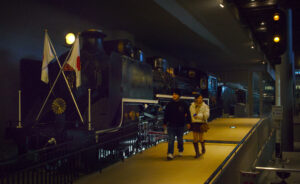
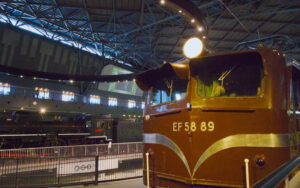
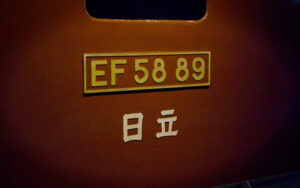
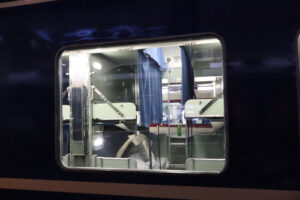
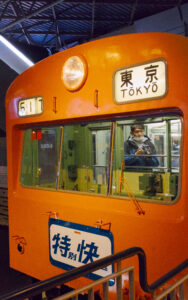
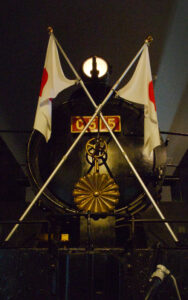
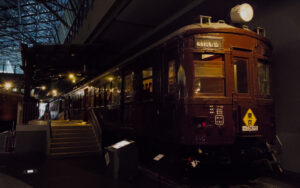
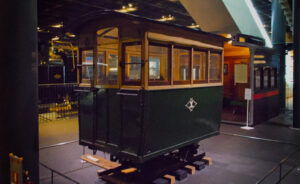

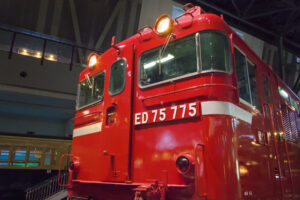

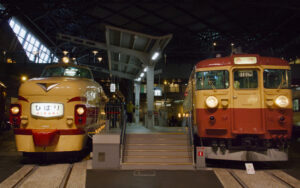
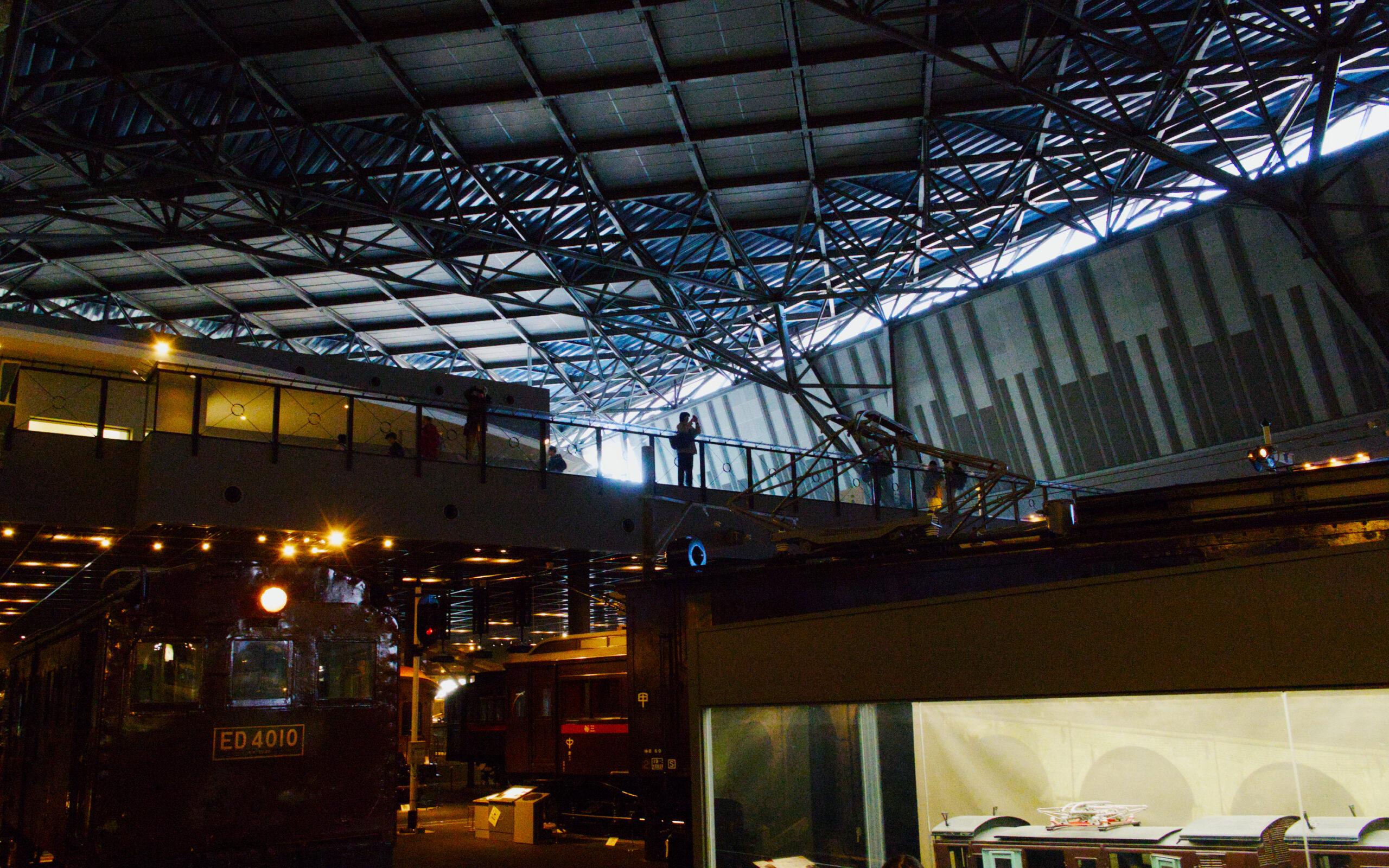
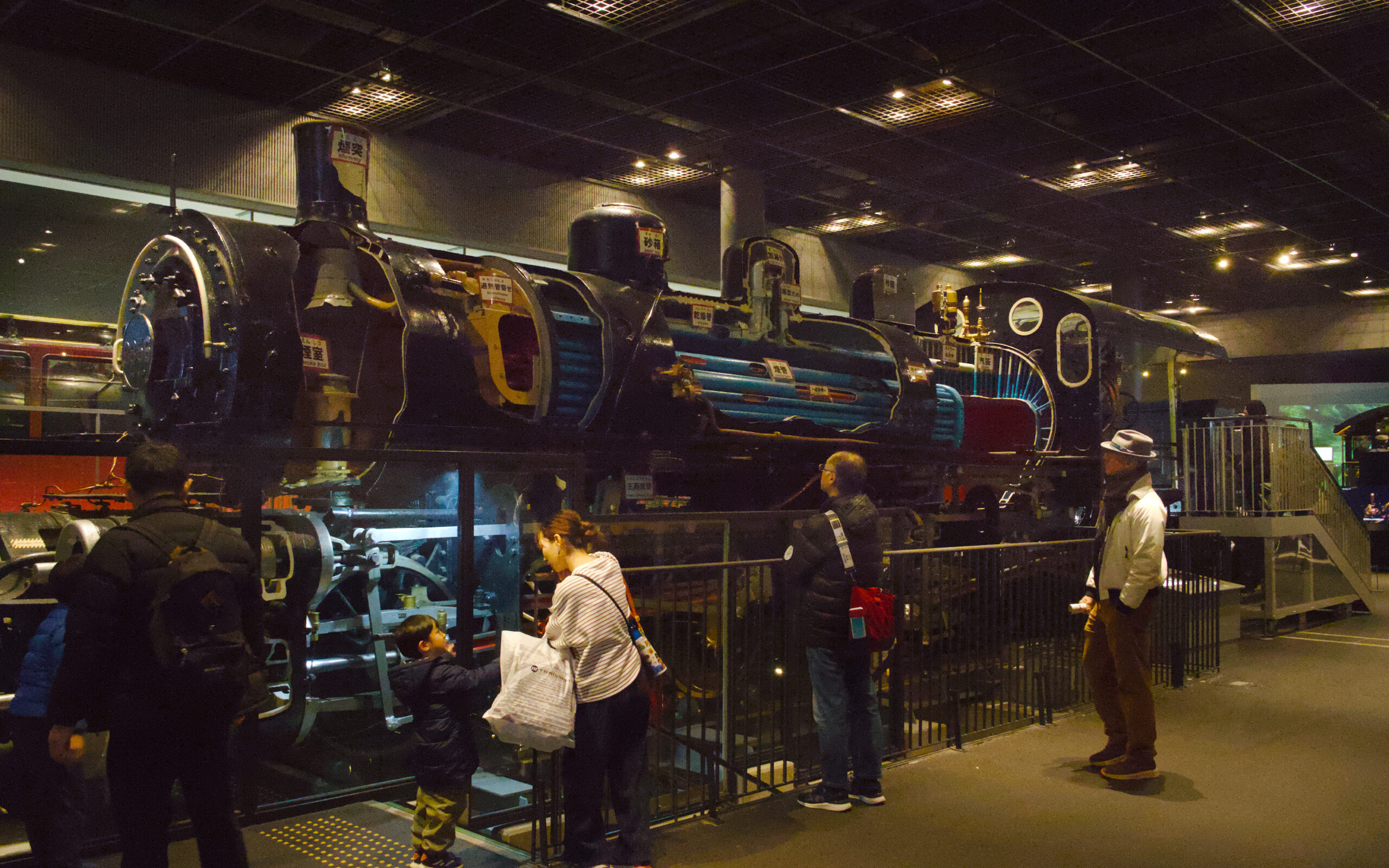

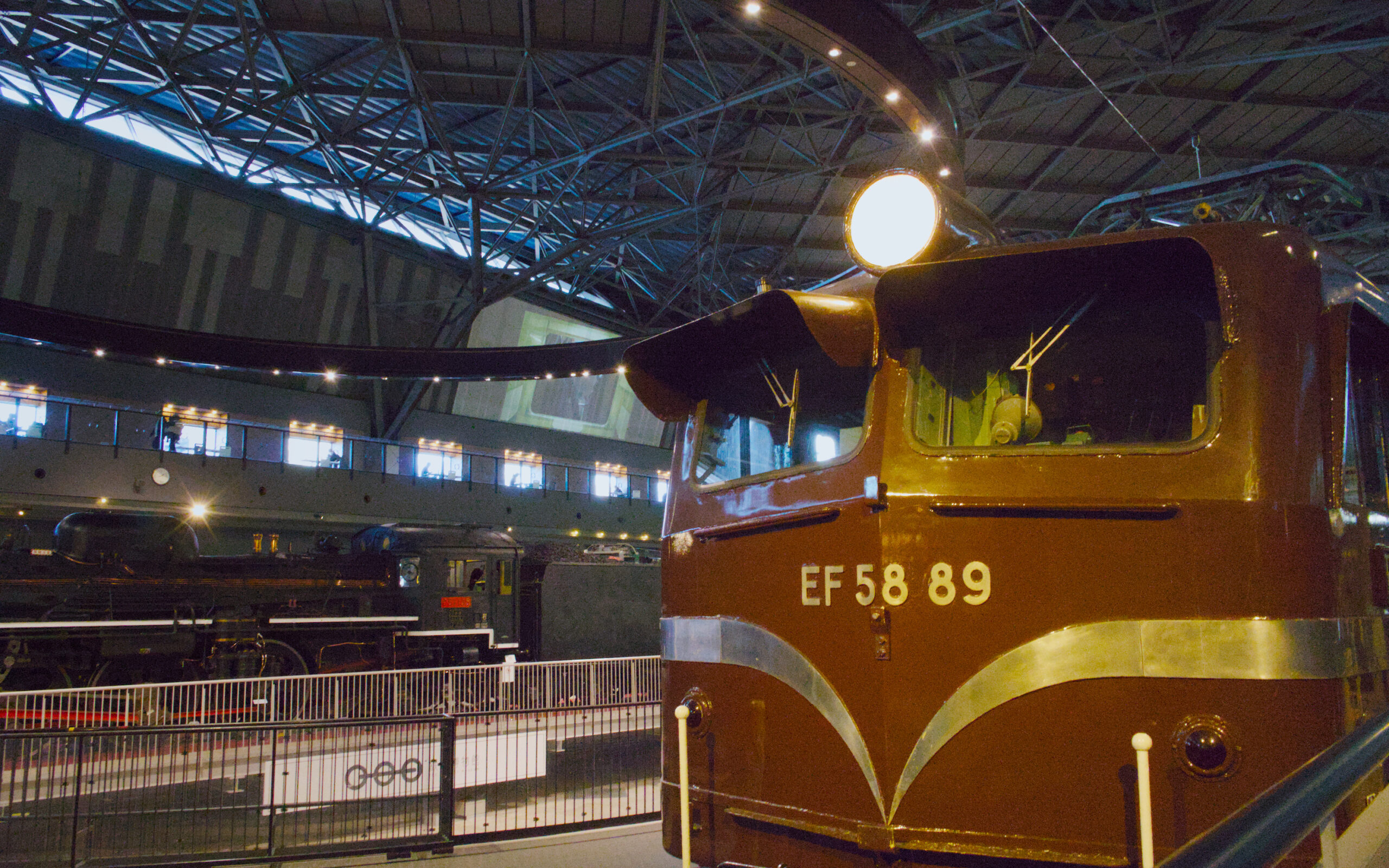
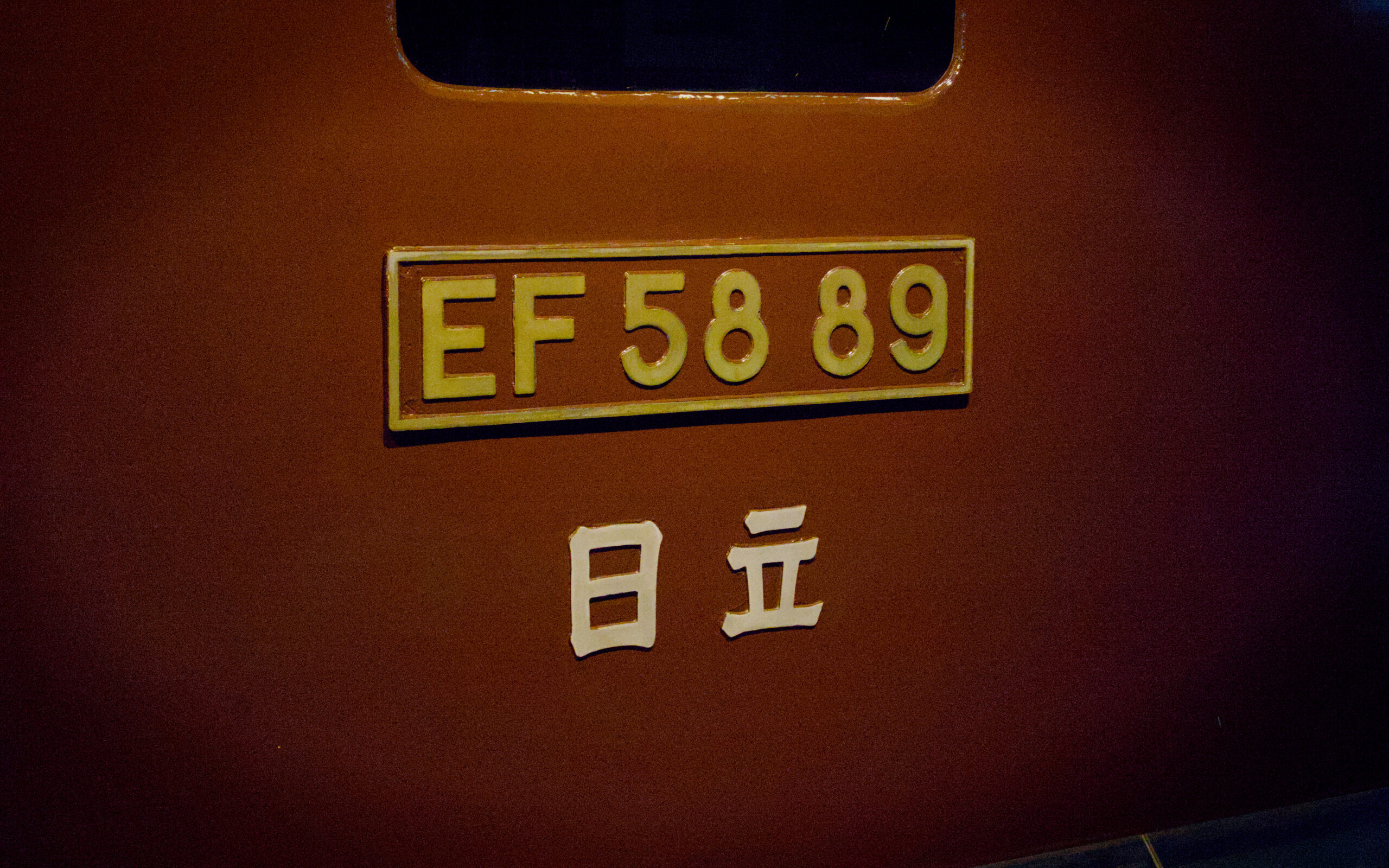

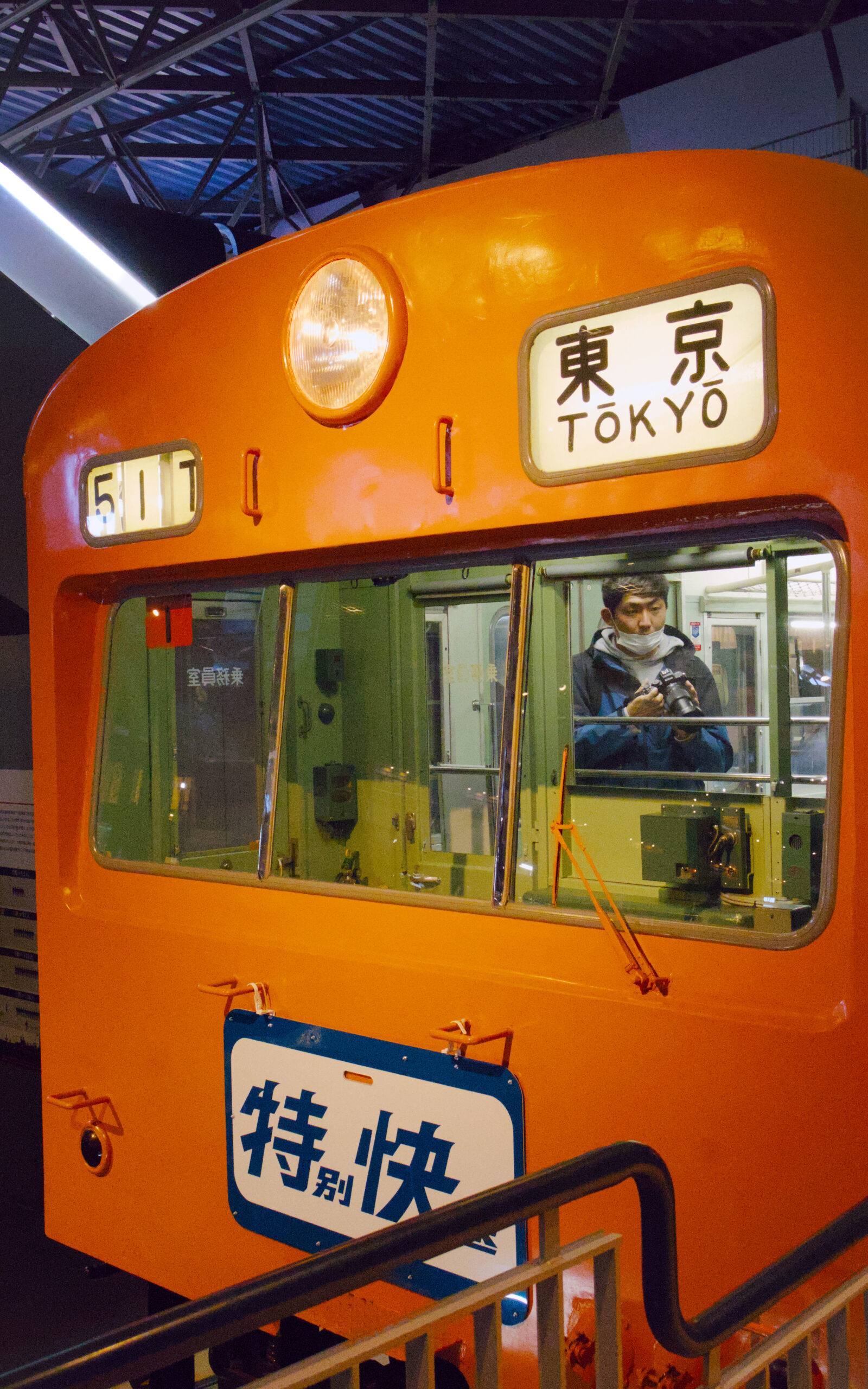

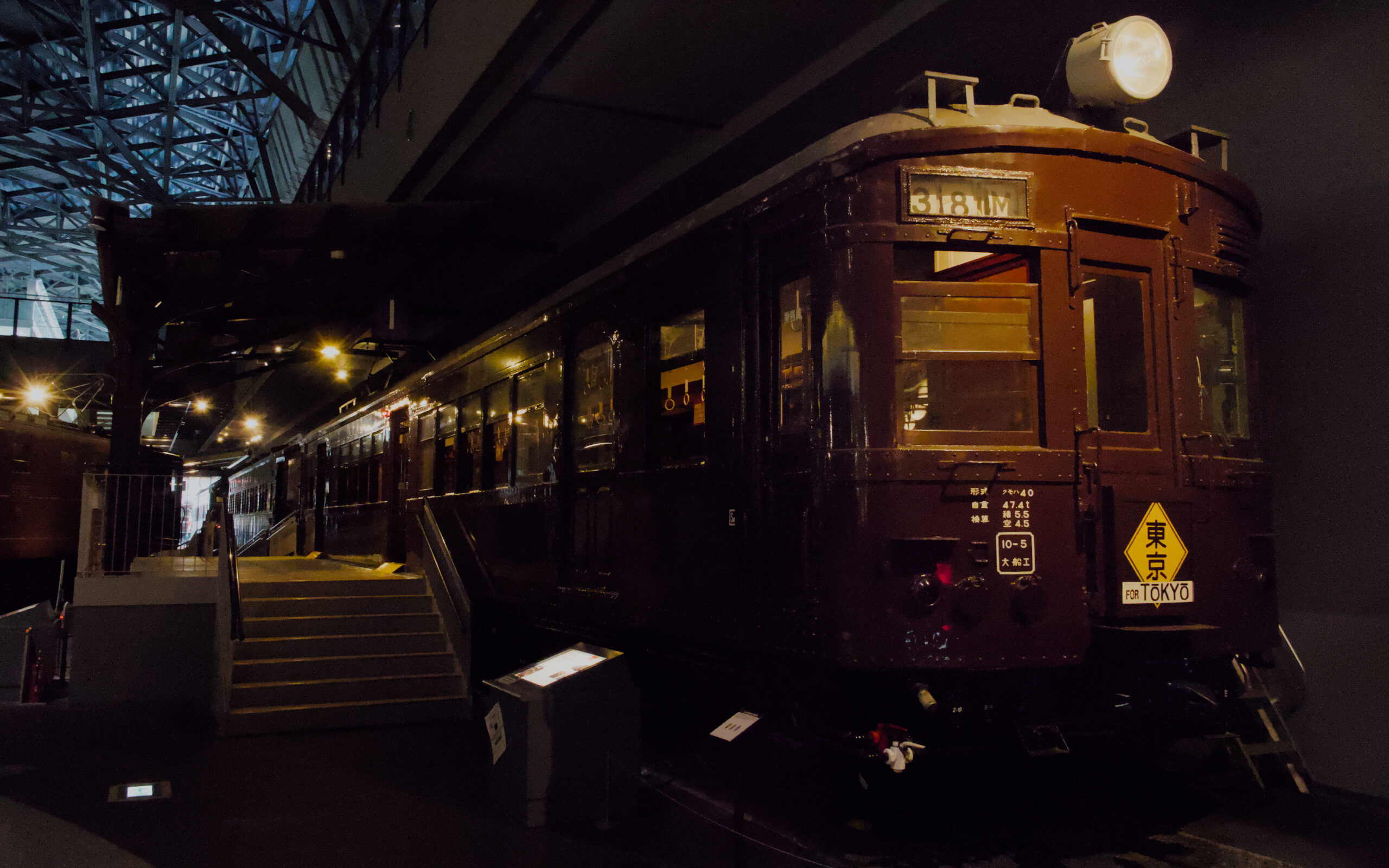
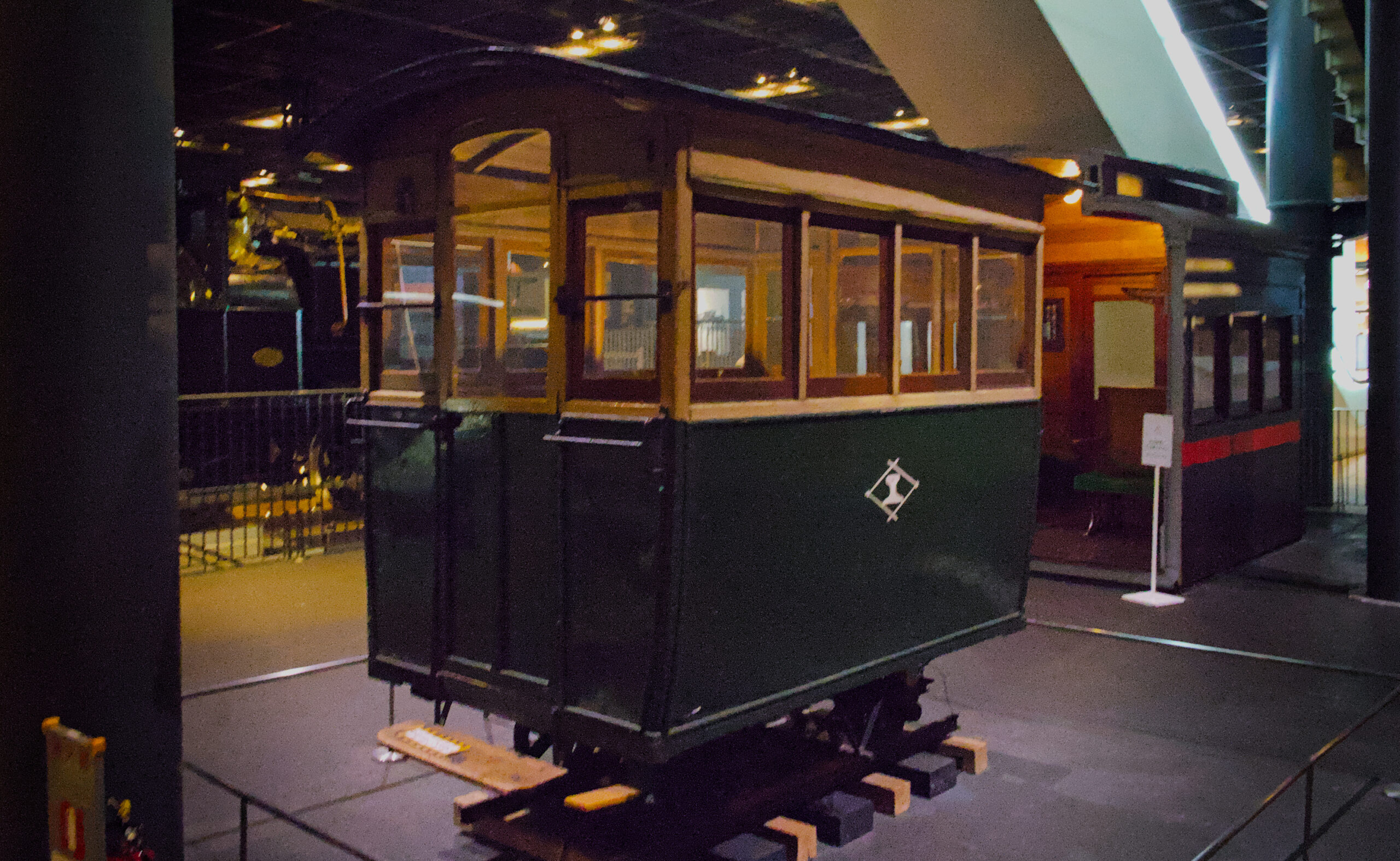
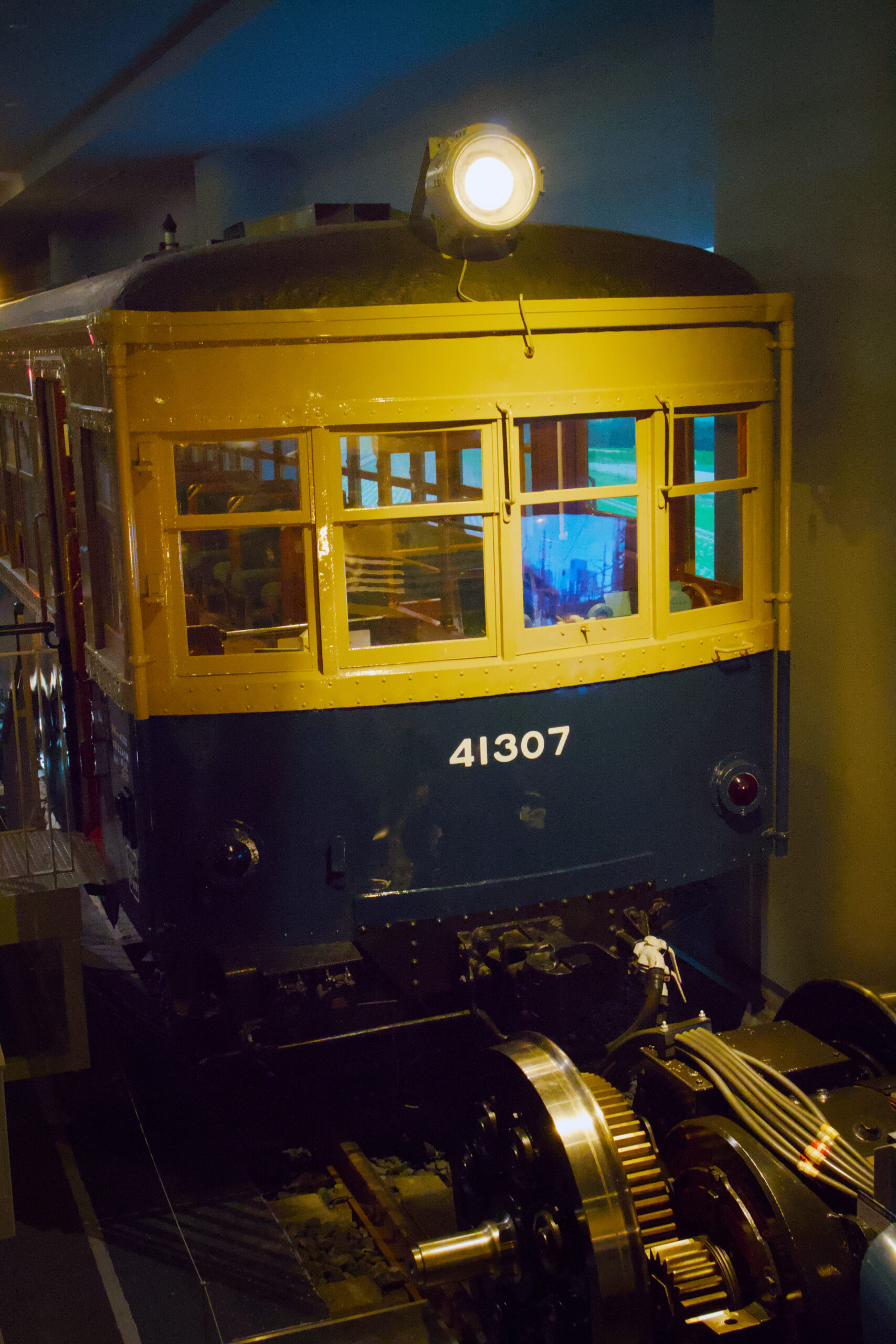
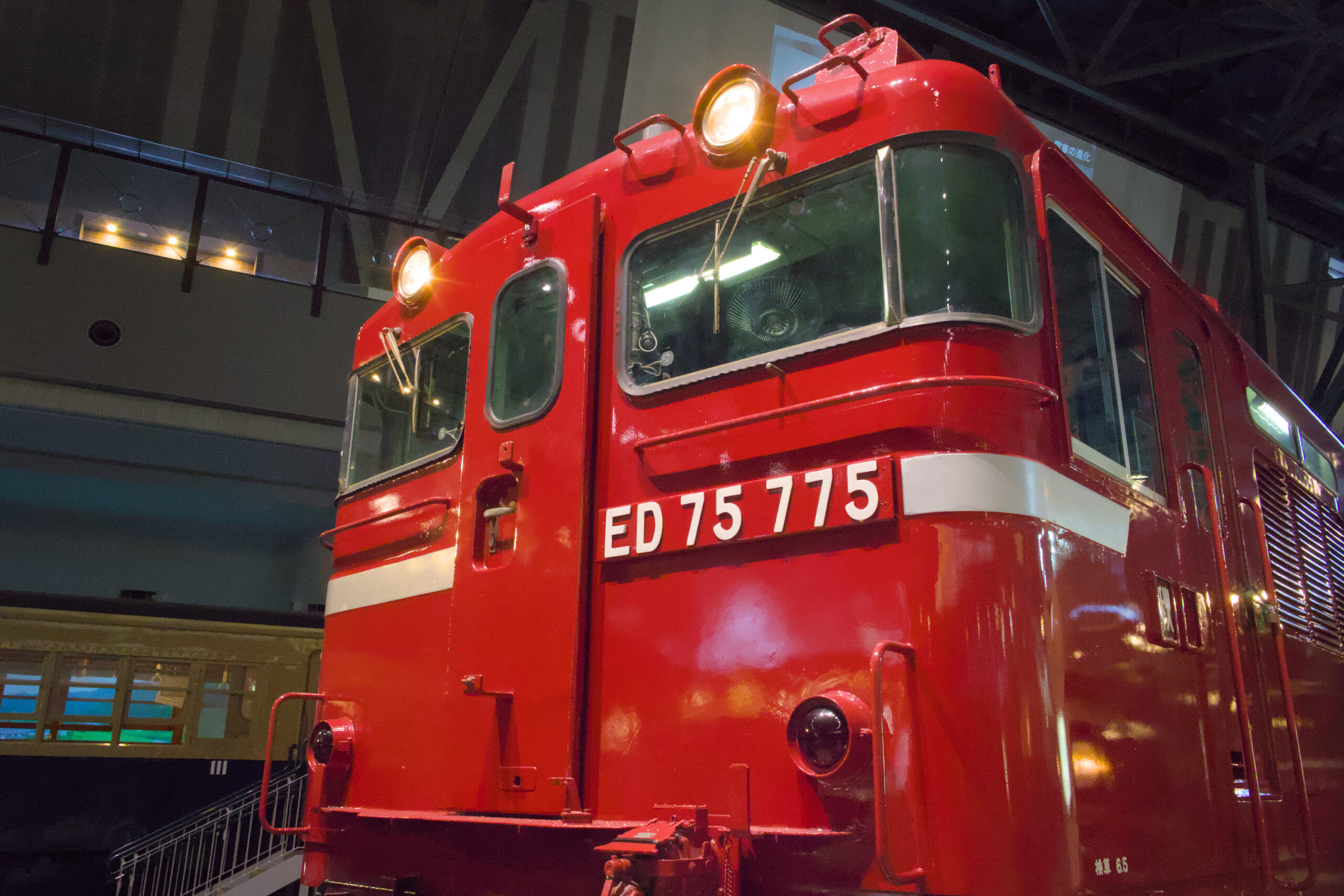
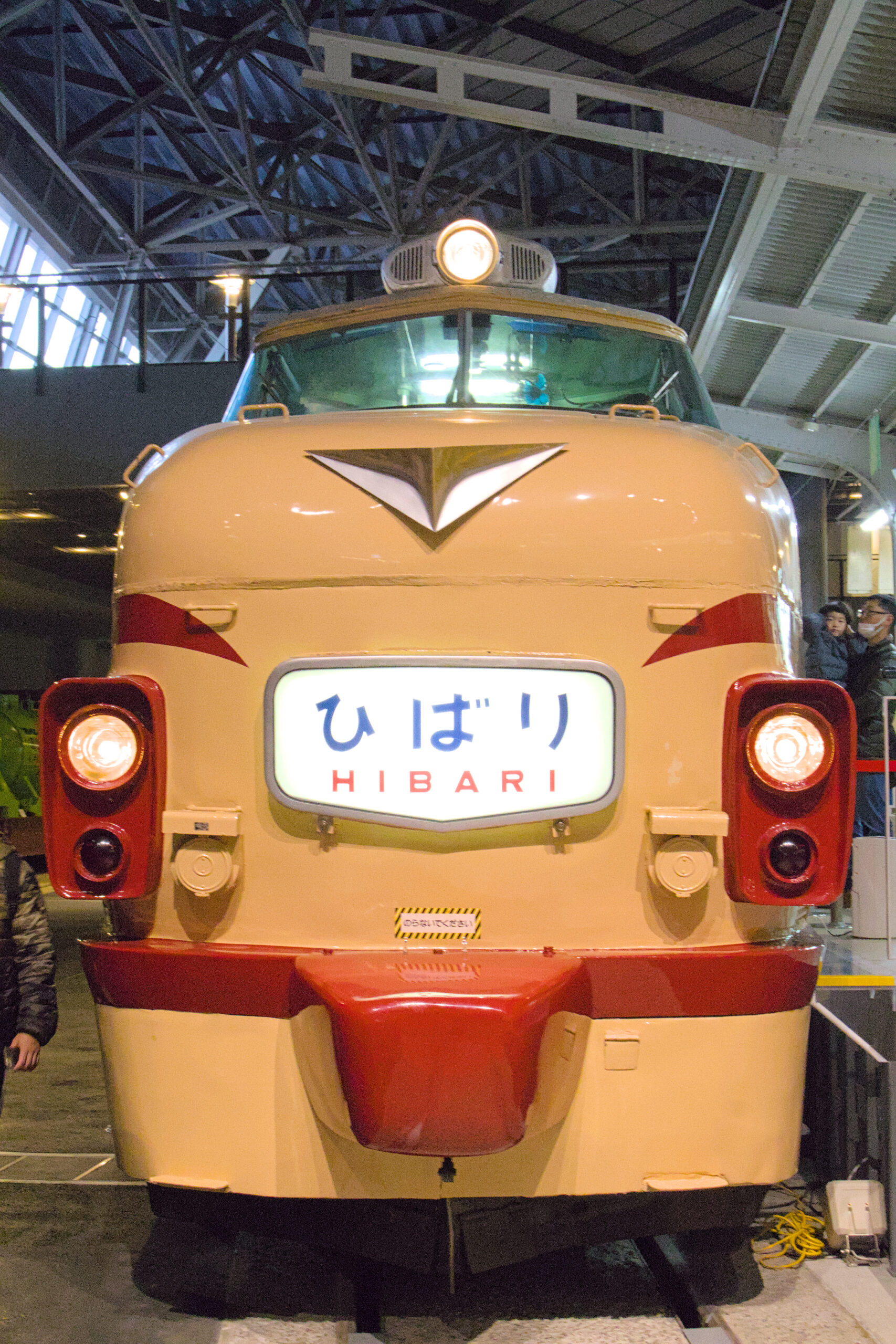
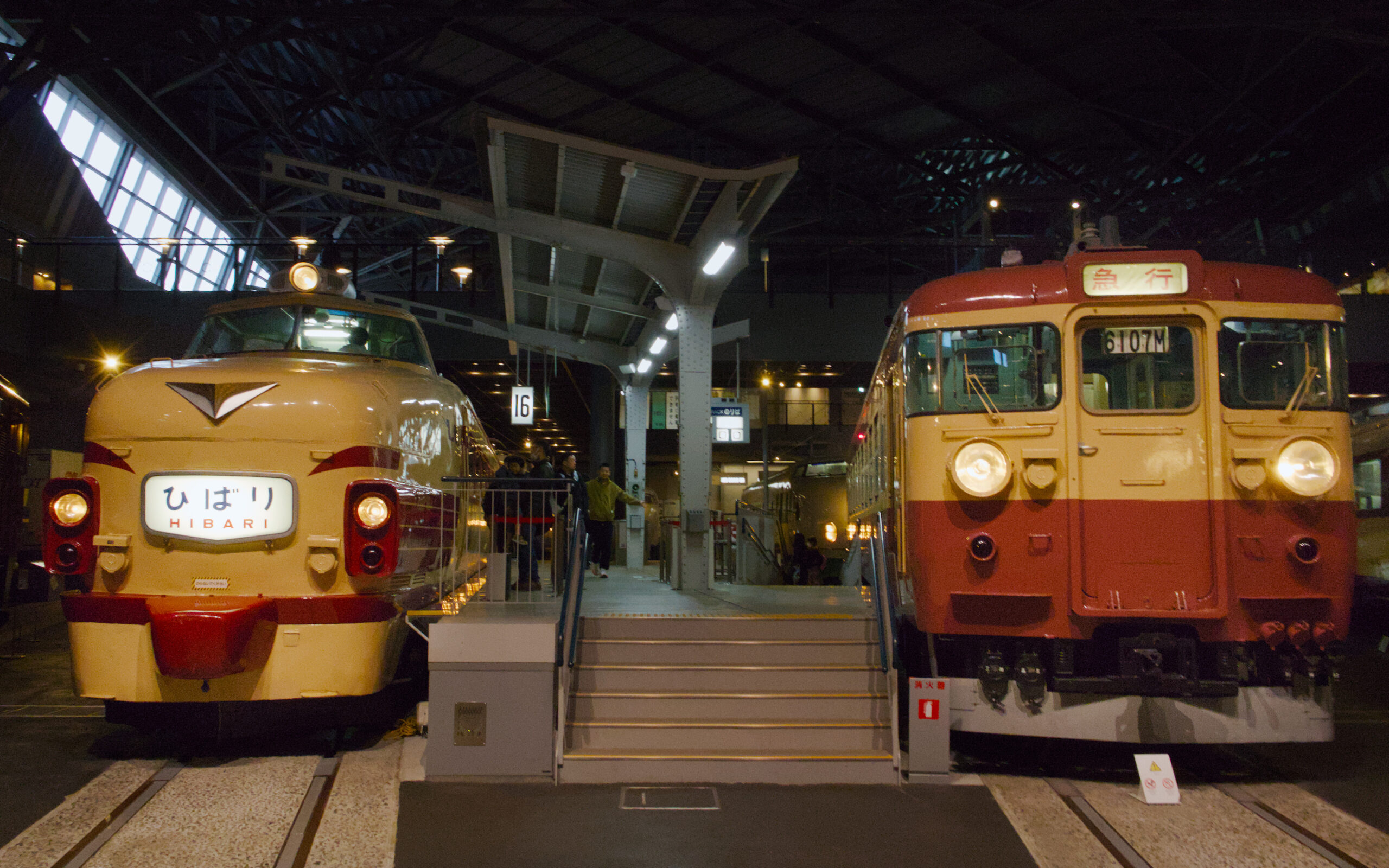
Highlights here include a JGR Class 9750 steam locomotive with a fantastic cross-section of its steam engine internals, a sleeper Asakaze Blue Train carriage with sleep berths – dubbed the Moving Hotel – plus various early shinkansen models with their original interiors still intact.

Anchoring them all at the very centre is a Class C57 steam locomotive; at 12pm and 3pm daily, a massive turntable below even whirls the massive machine around while it blows its classic whistle.
For the full list of rolling stock, check out their brochure floor guide (second page, lower right). Simulator raffles and regular daily events like the C57 turntable are also listed on their Events page.

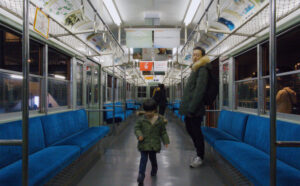
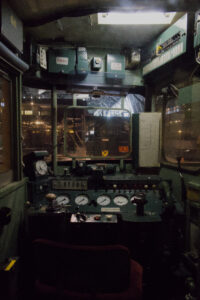

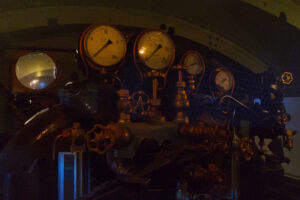
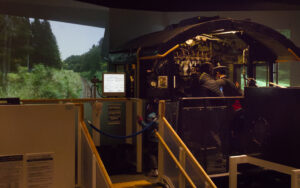
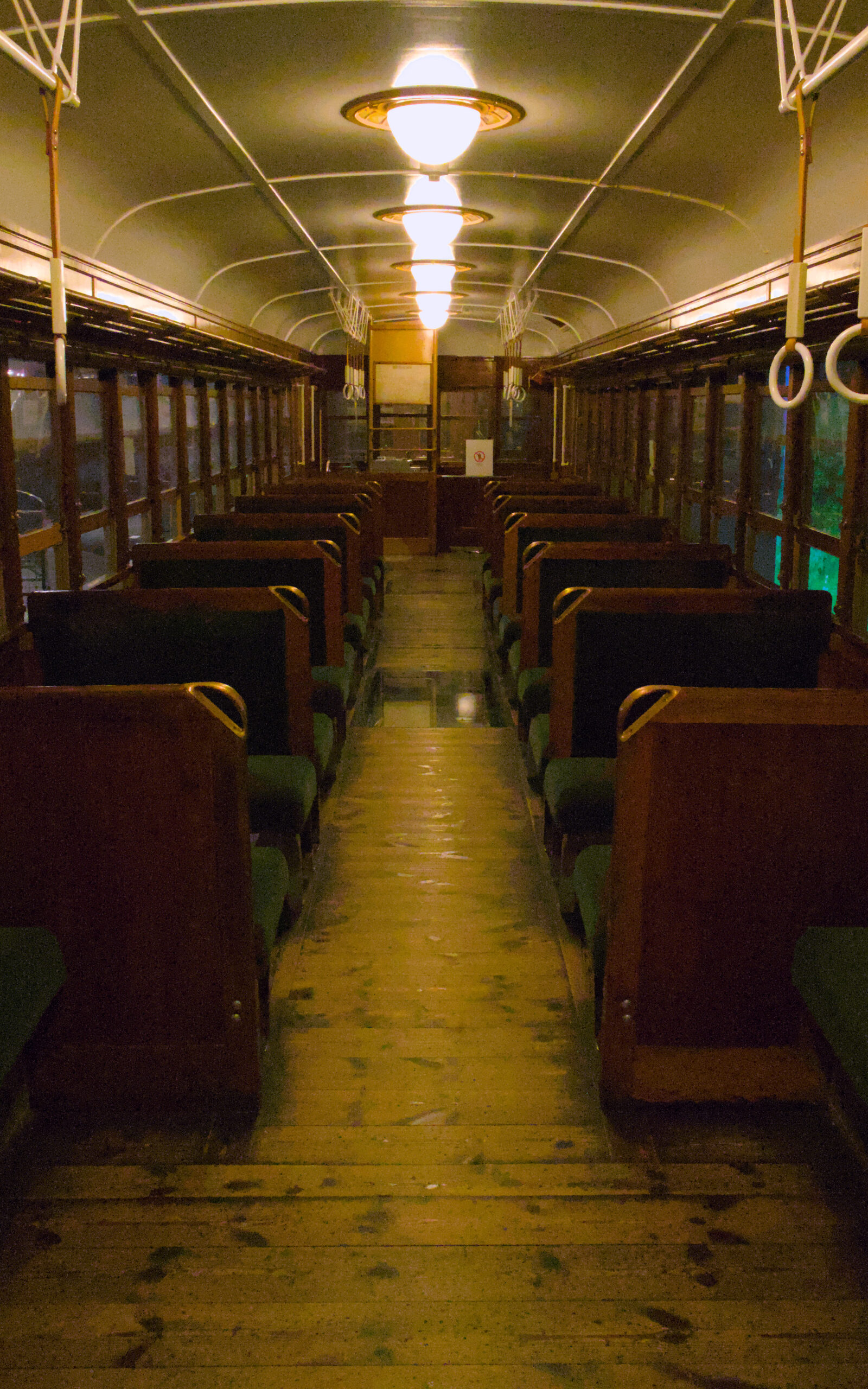

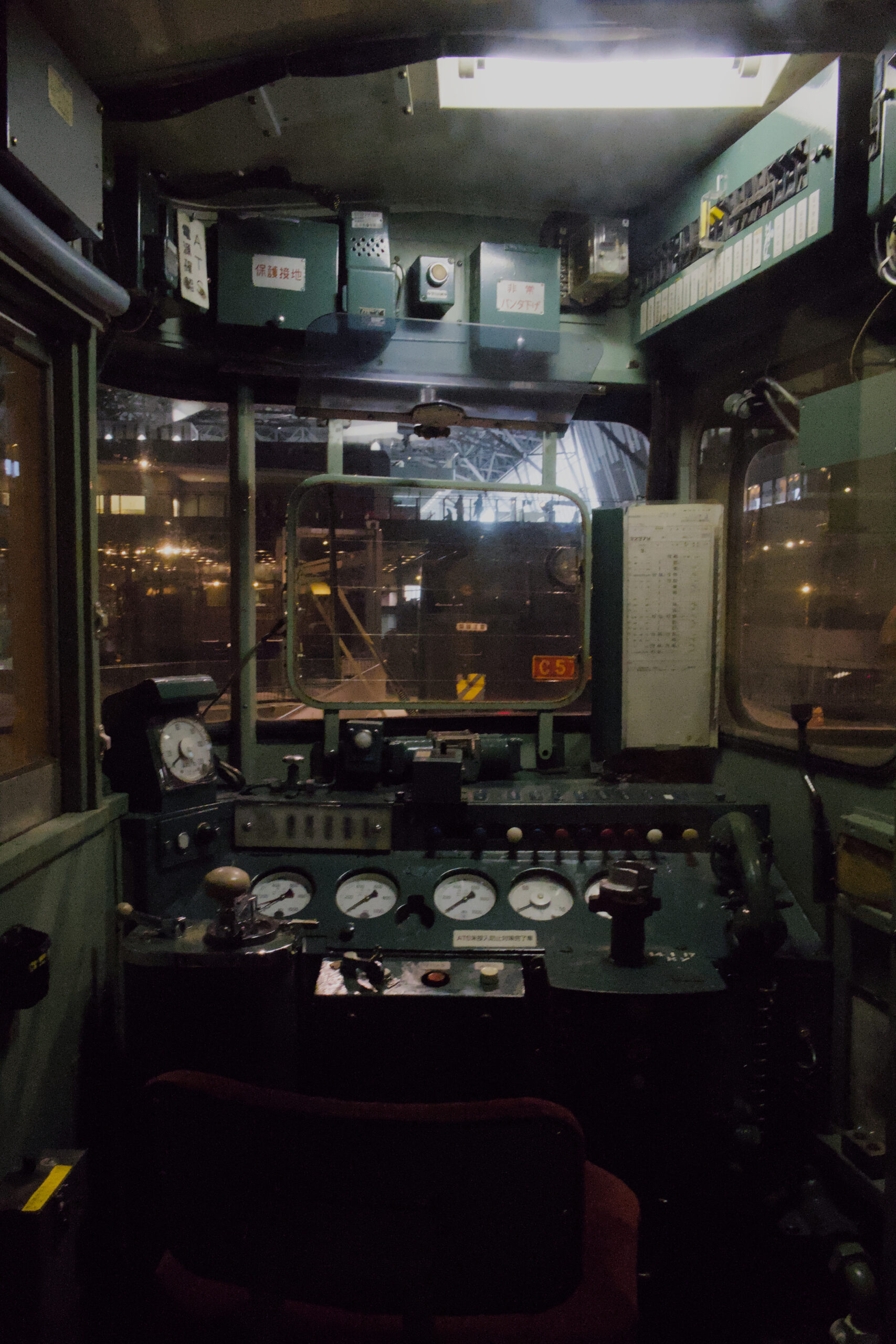
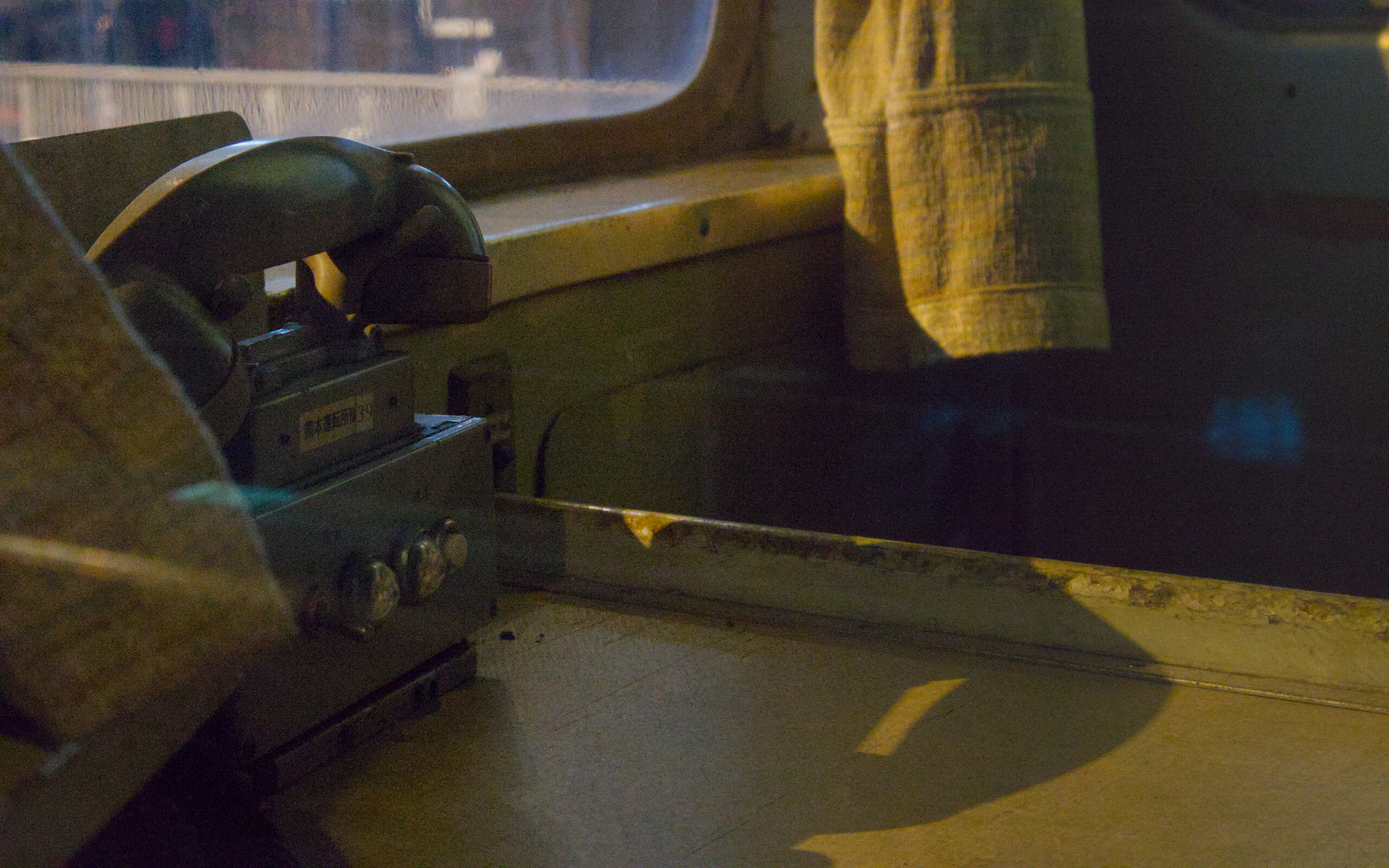
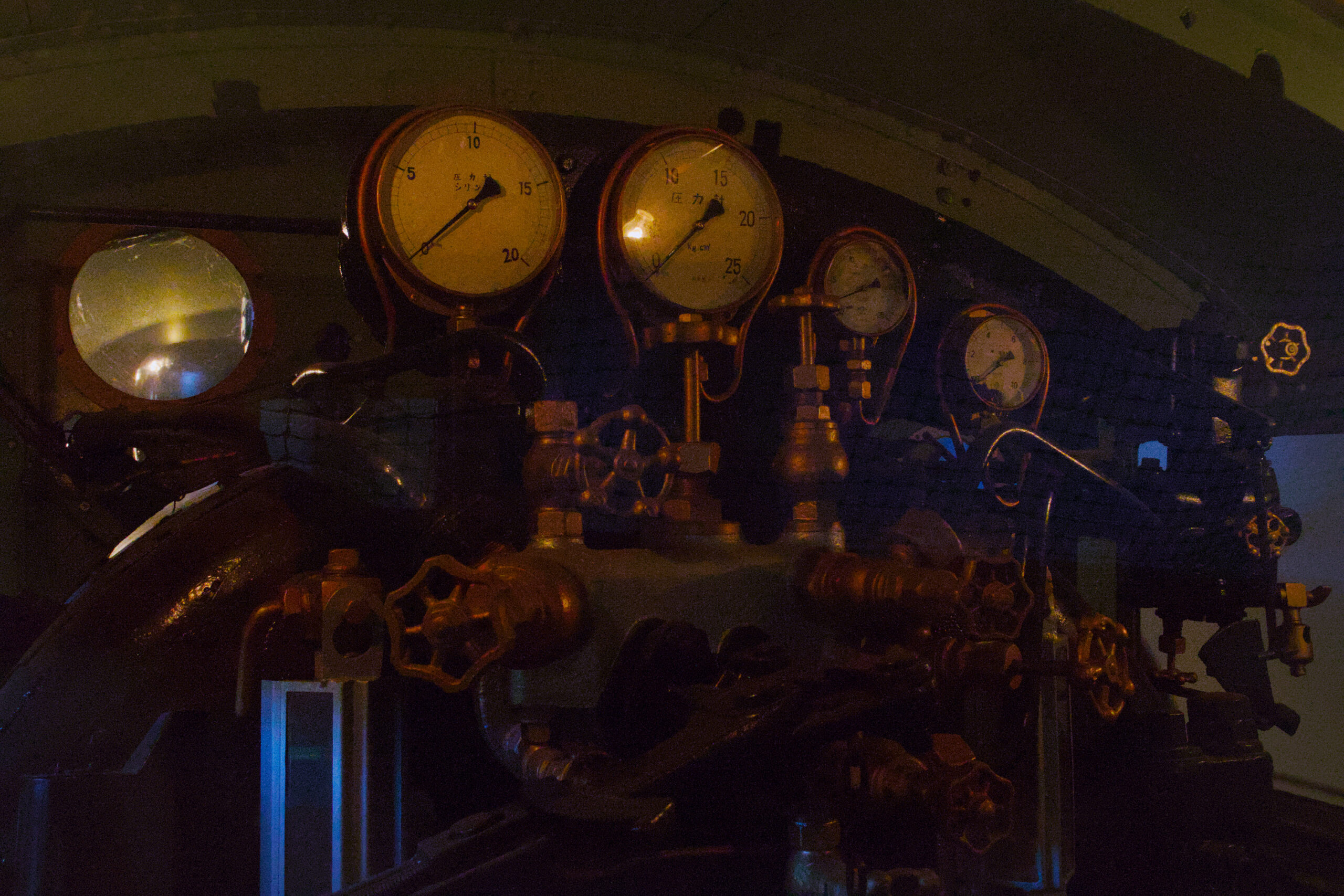
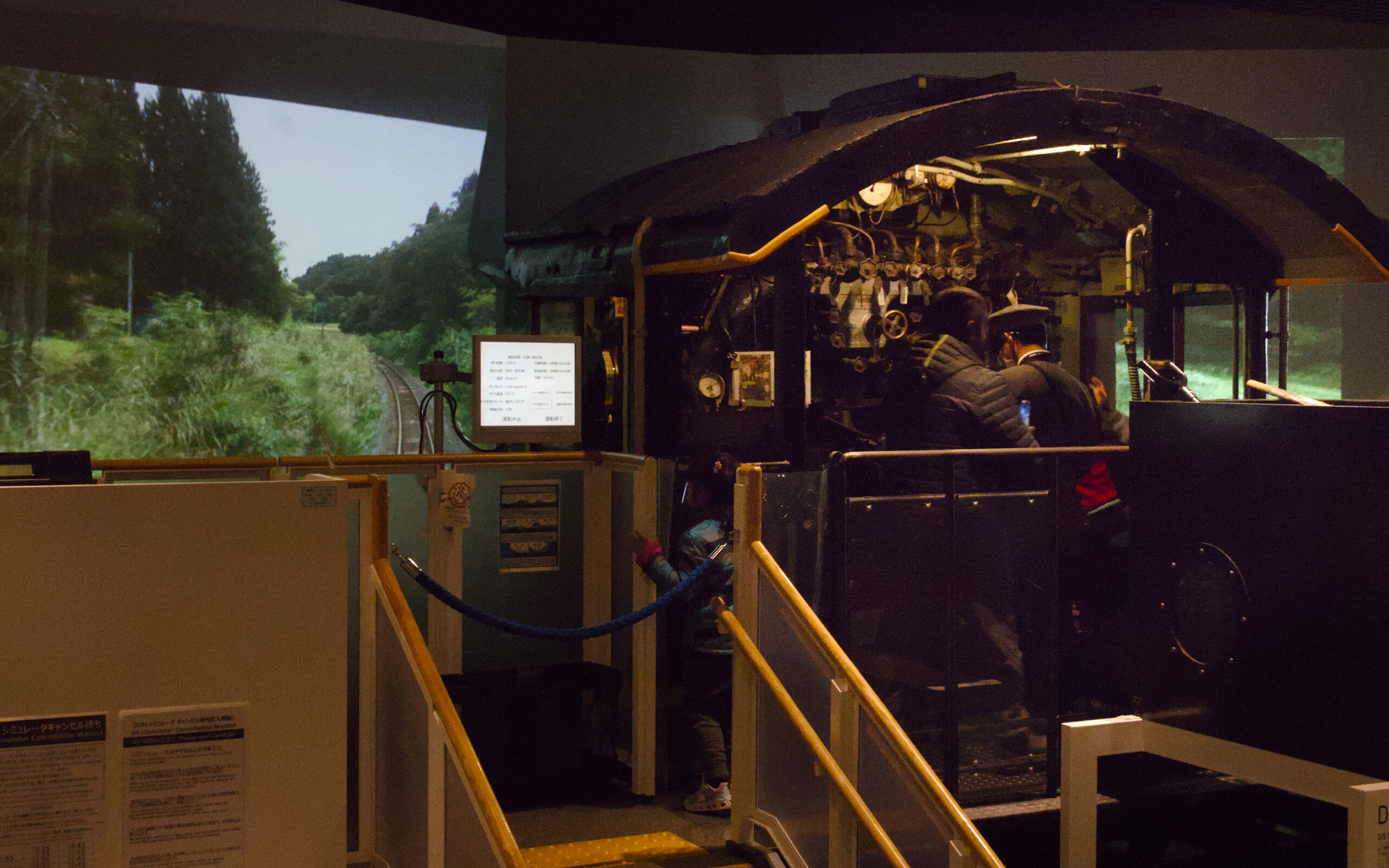
Not only do you get to admire these gorgeous machines on the outside, most of them let you step right onboard to peek into drivers’ cabins. If you download their raffle app (separate from the main app) and enter the daily raffle, you can even win a chance to pilot a real-life JNR Class D51 outfitted with a simulated screen!

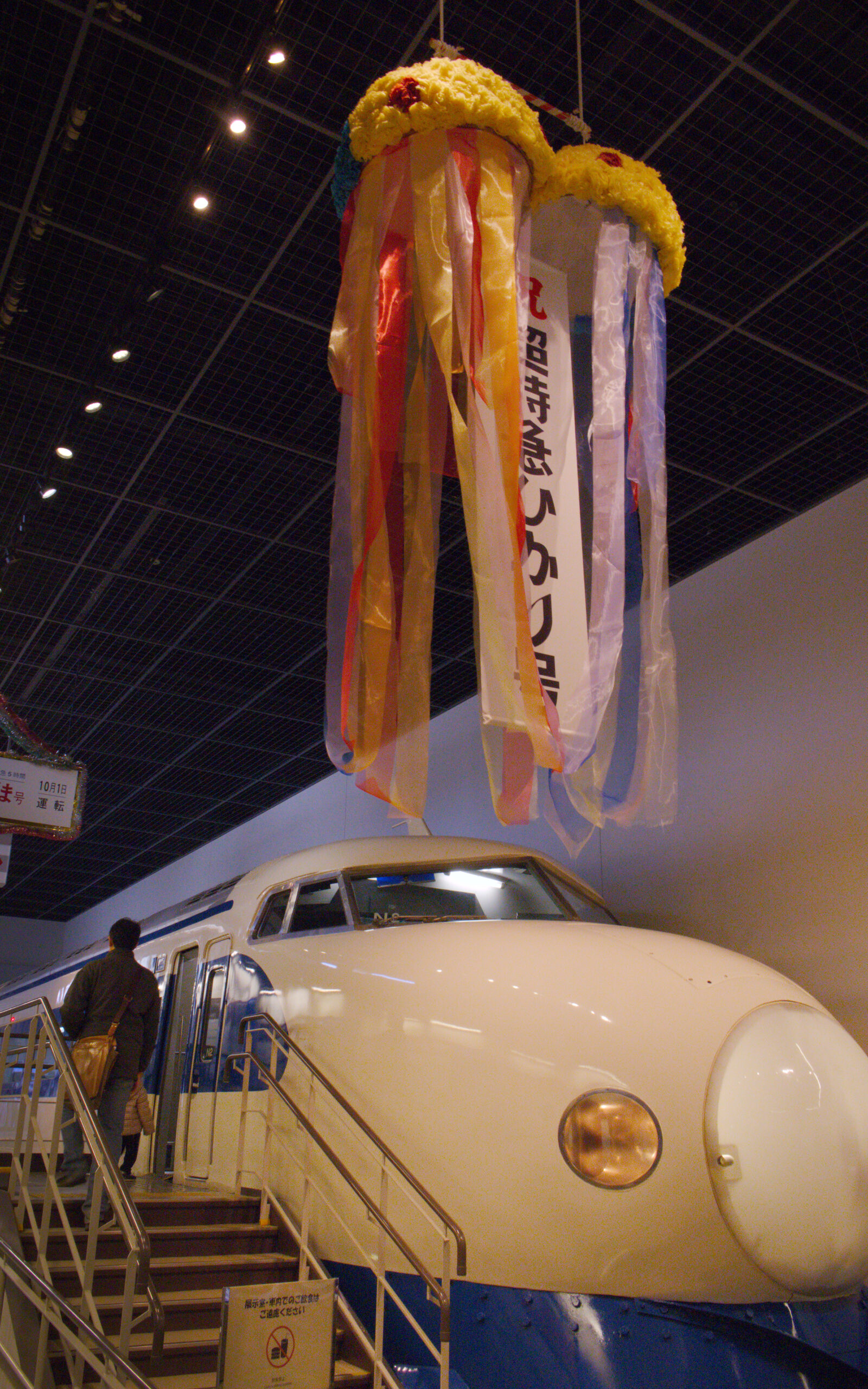
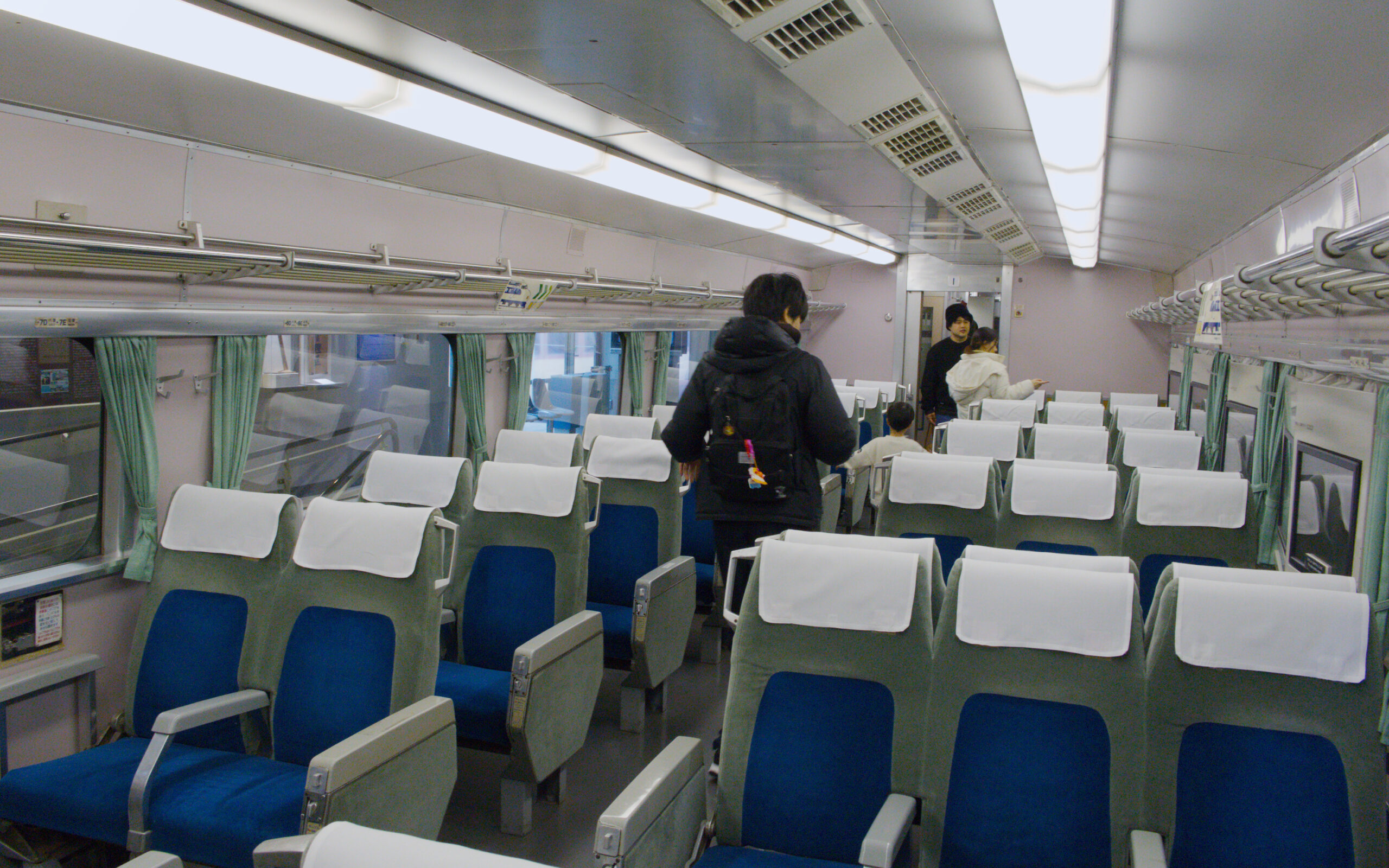
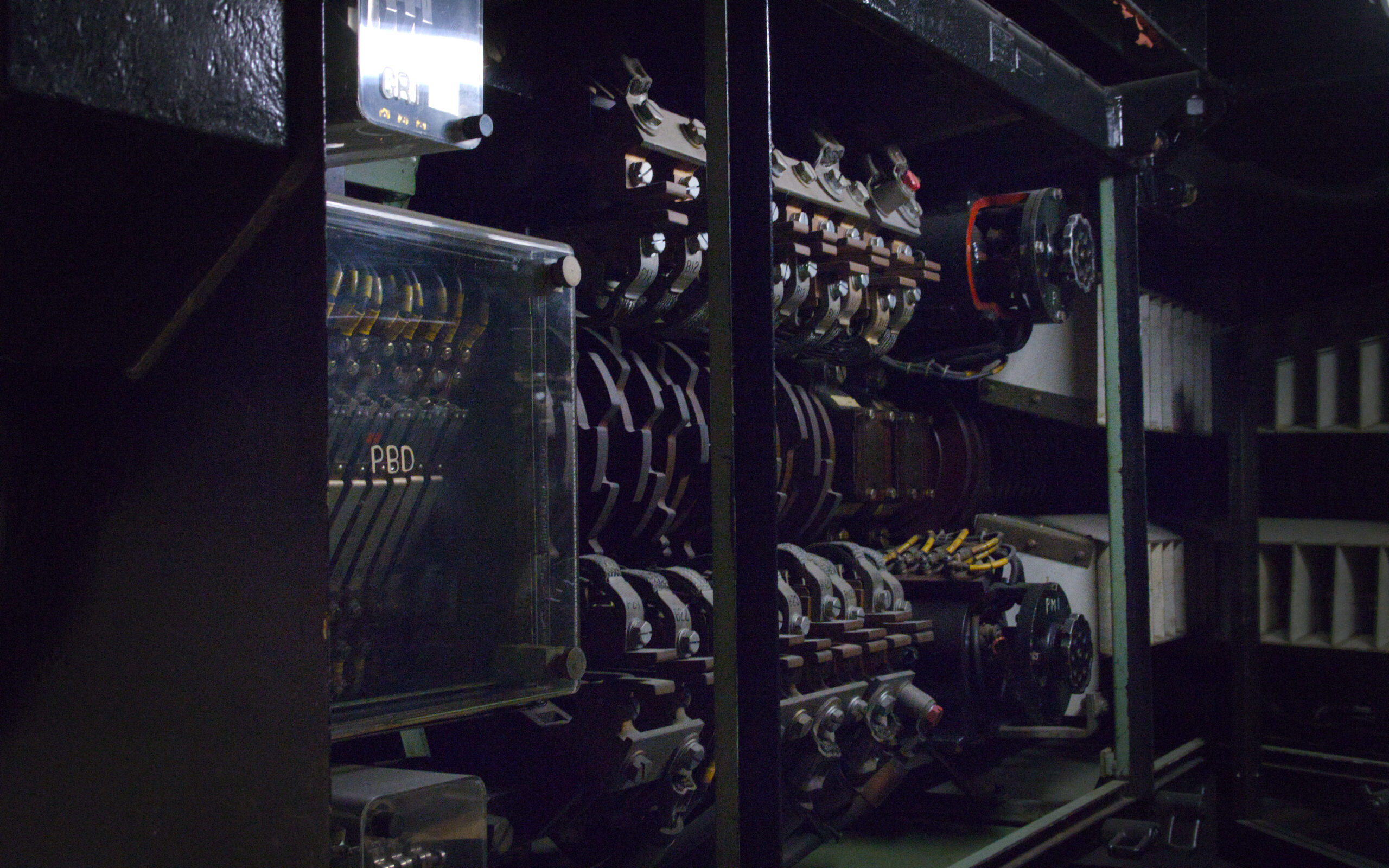
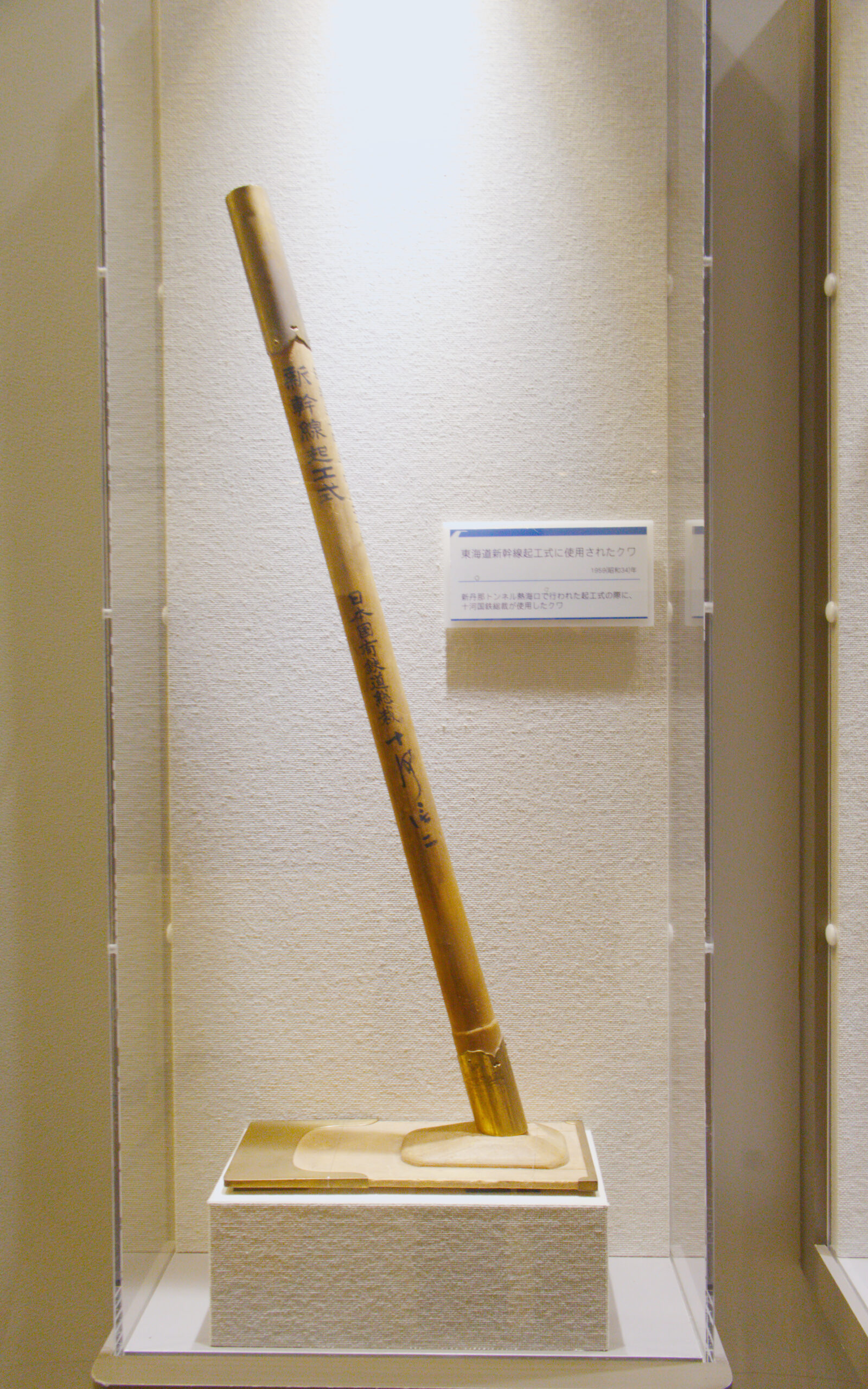
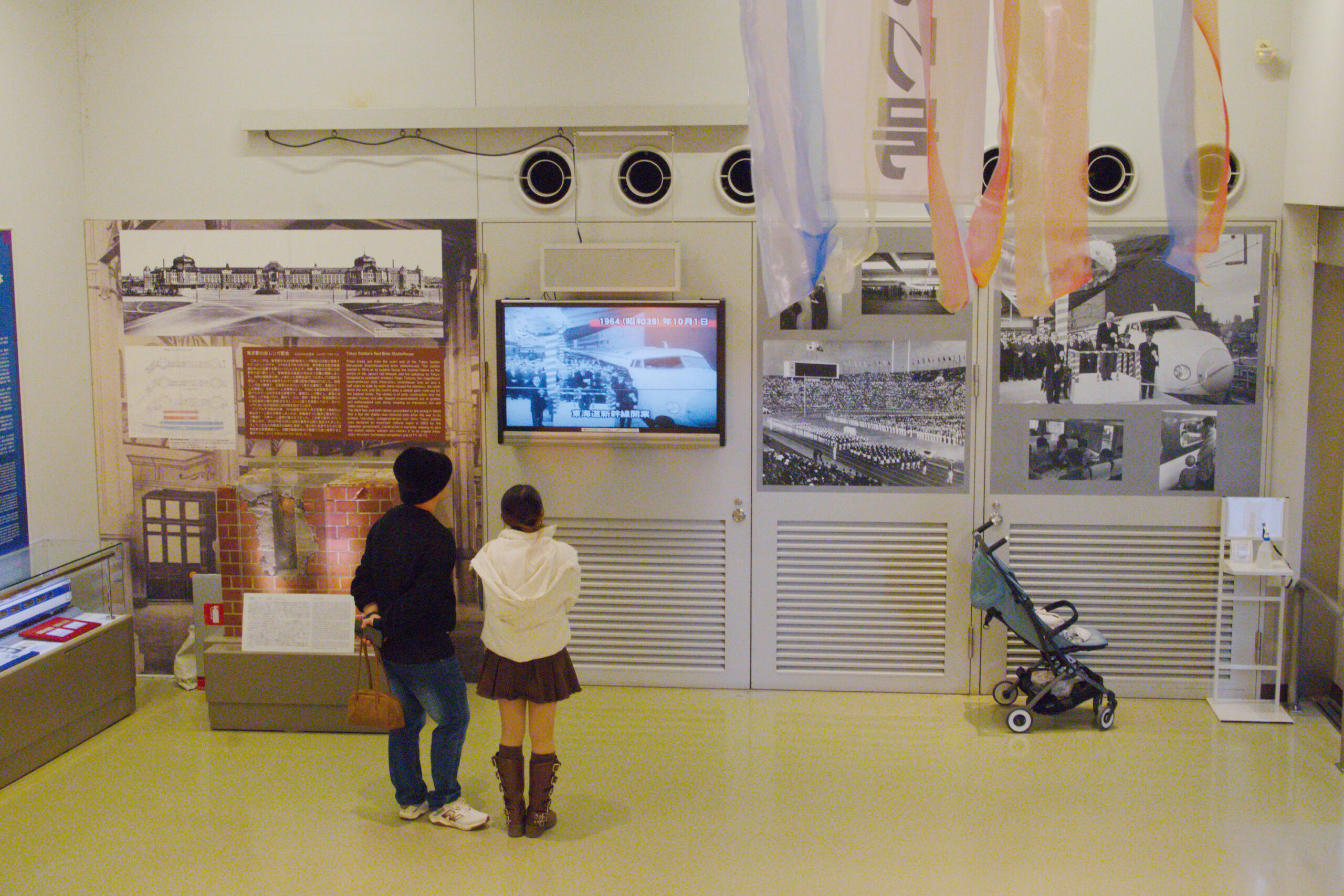
For the shinkansen fans out there, there’s also a separate annex building entirely dedicated to the history, development and legacy of Japan’s bullet trains, all punctuated by an actual 0 Series Shinkansen train car you can walk through!
Even for new or casual rail fans, the Rolling Stock Station is an immersive time-travelling adventure through Japanese rail, from bizarre human-powered cars to jet-black steam titans and finally sleek steel bullet trains.
Just getting to sit in a century-old Oha-31 car with a wood interior from 1927 or a classic 455 series from 1965 feels oddly surreal, almost like stepping into the movies of yesteryear.
Japanese Trains in the Movies
Many Japanese locomotives have graced the silver screen over the past century. Here are a few standouts:
The D51 JNR Class locomotive featured in a car chase scene in the Otoko wa Tsurai yo romantic comedy movie series, particularly in Tora-san’s Runaway (1970).
The 0 Series Shinkansen – the very first of Japan’s famed bullet trains – played a starring role in The Bullet Train (1975), a thriller about an onboard bomb that threatens to explode if it drops below 80km/h.
Sound familiar? It later inspired the movies Speed (1994) and a sequel Bullet Train Explosion (2025), with the latter featuring the distinctive teal-green E5 Series Shinkansen (also in the Omiya-Saitama Railway Museum).
A Kiha 40 series train is driven by the station master of a dying town in the sombre drama Poppoya aka The Railroad Man (1999). Although the Omiya-Saitama Railway Museum does have a Kiha 41300 car, the Kiha 11 at the museum’s northern end resembles it much better. For the actual train, you’ll have to head north to Hokkaido to the actual filming location at the retired Ikutora Station, now a museum.
Second Floor

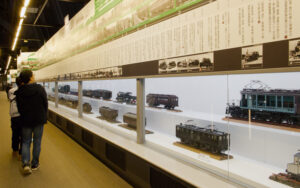
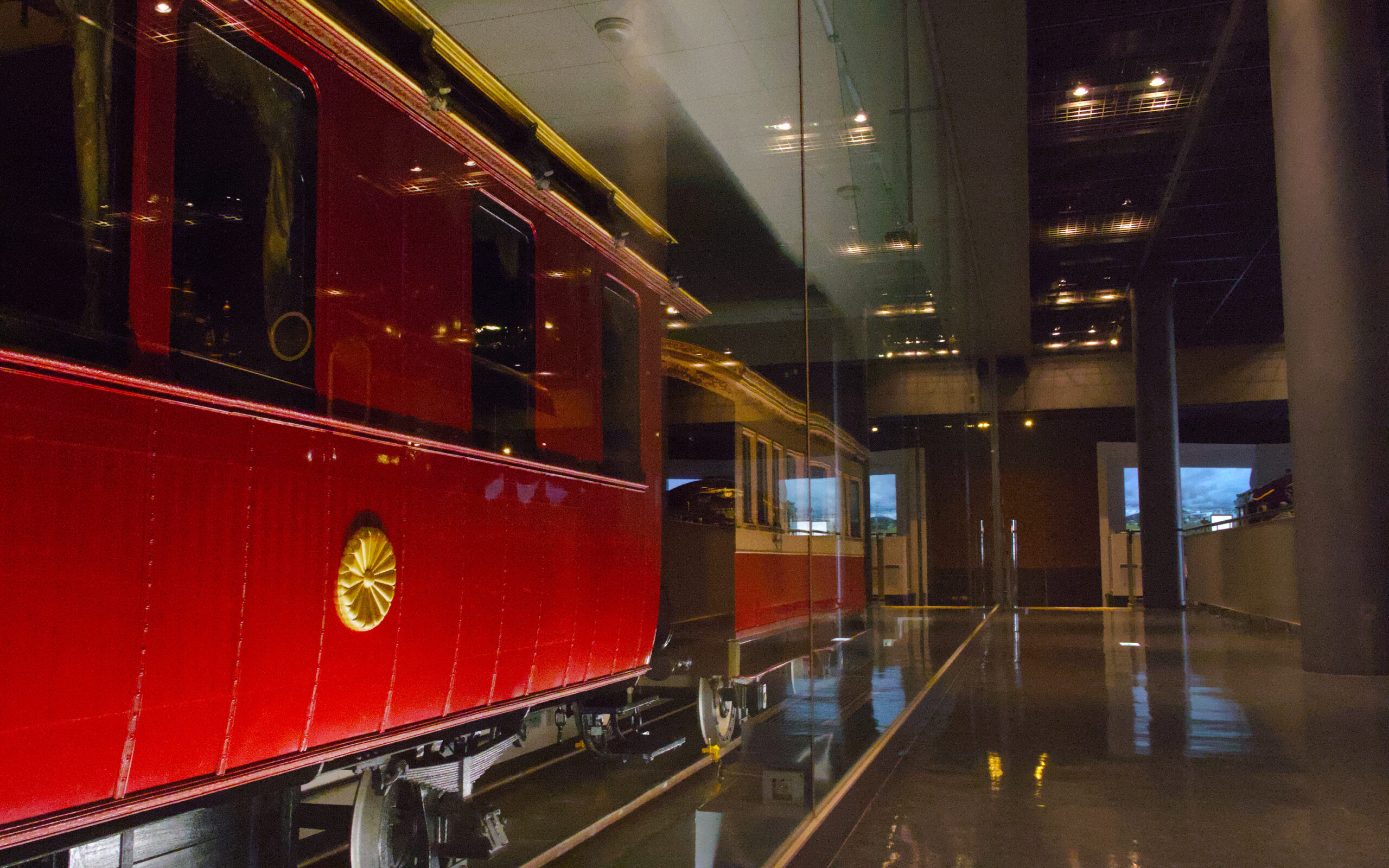
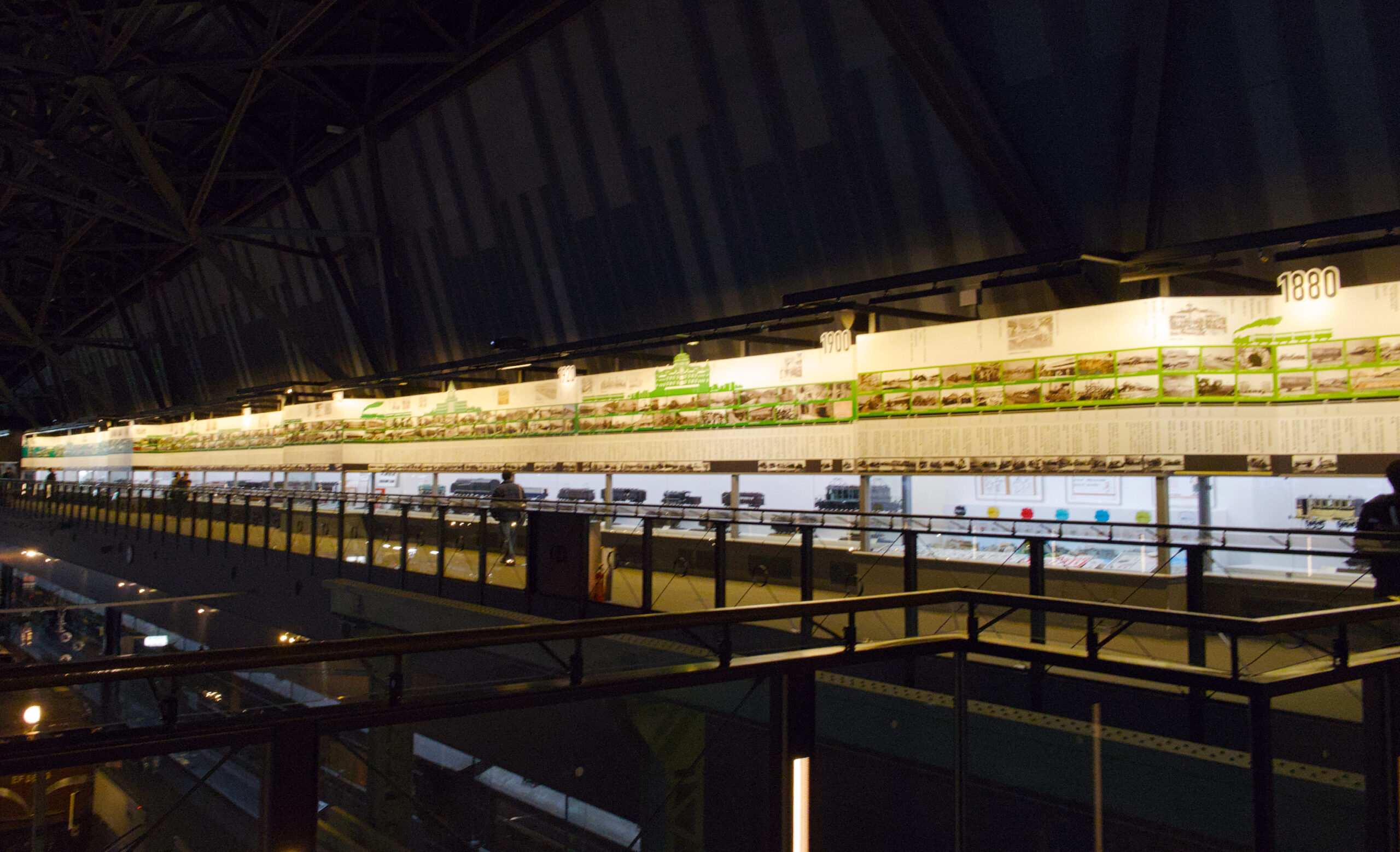
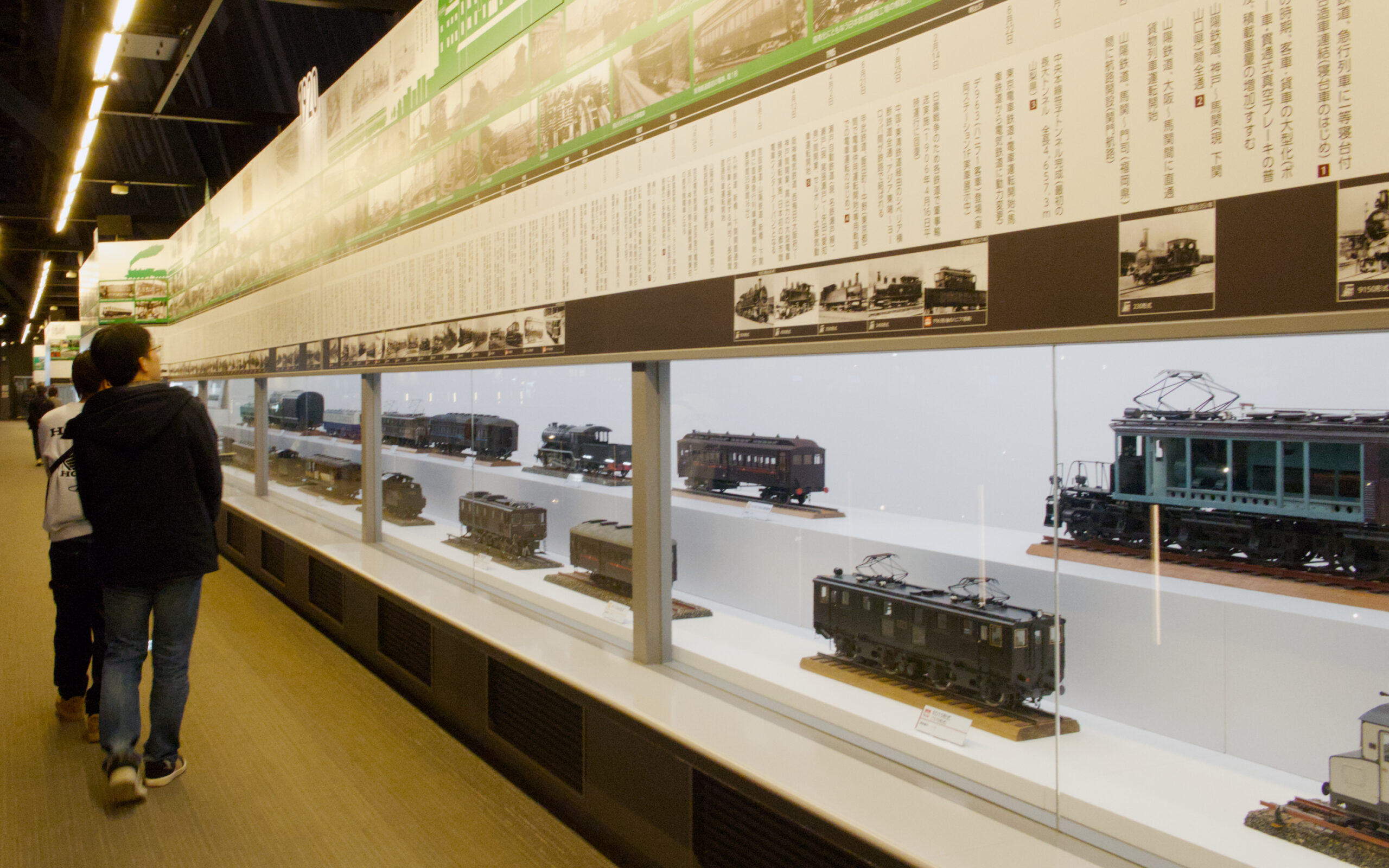
Once you’re done with the ground floor, make sure to check out the exhibits on the small mezzanine and first floor. The mezzanine features train cars used by former Japanese emperors and visiting dignitaries while the first floor has a timeline of Japanese rail depicted via model trains.


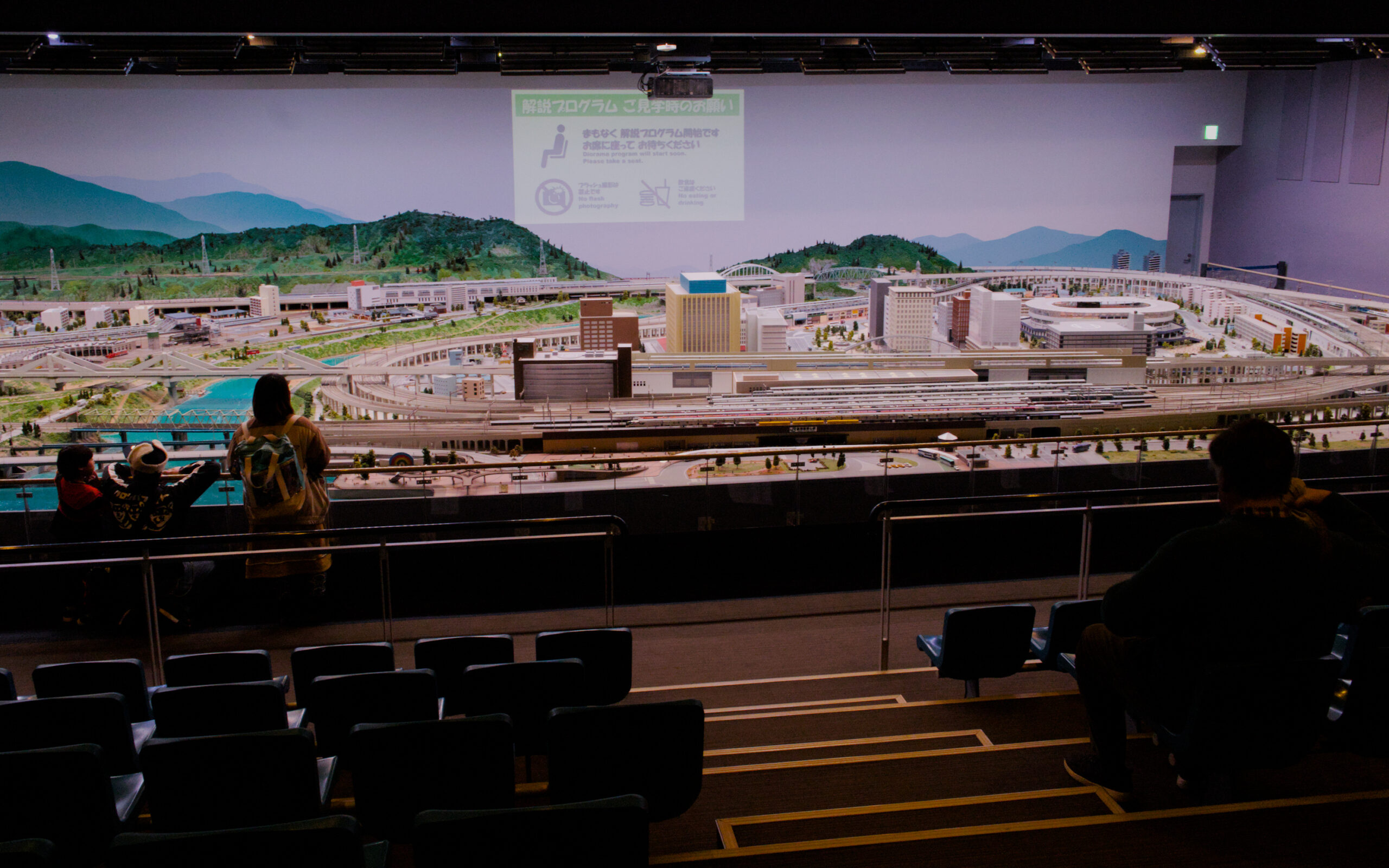
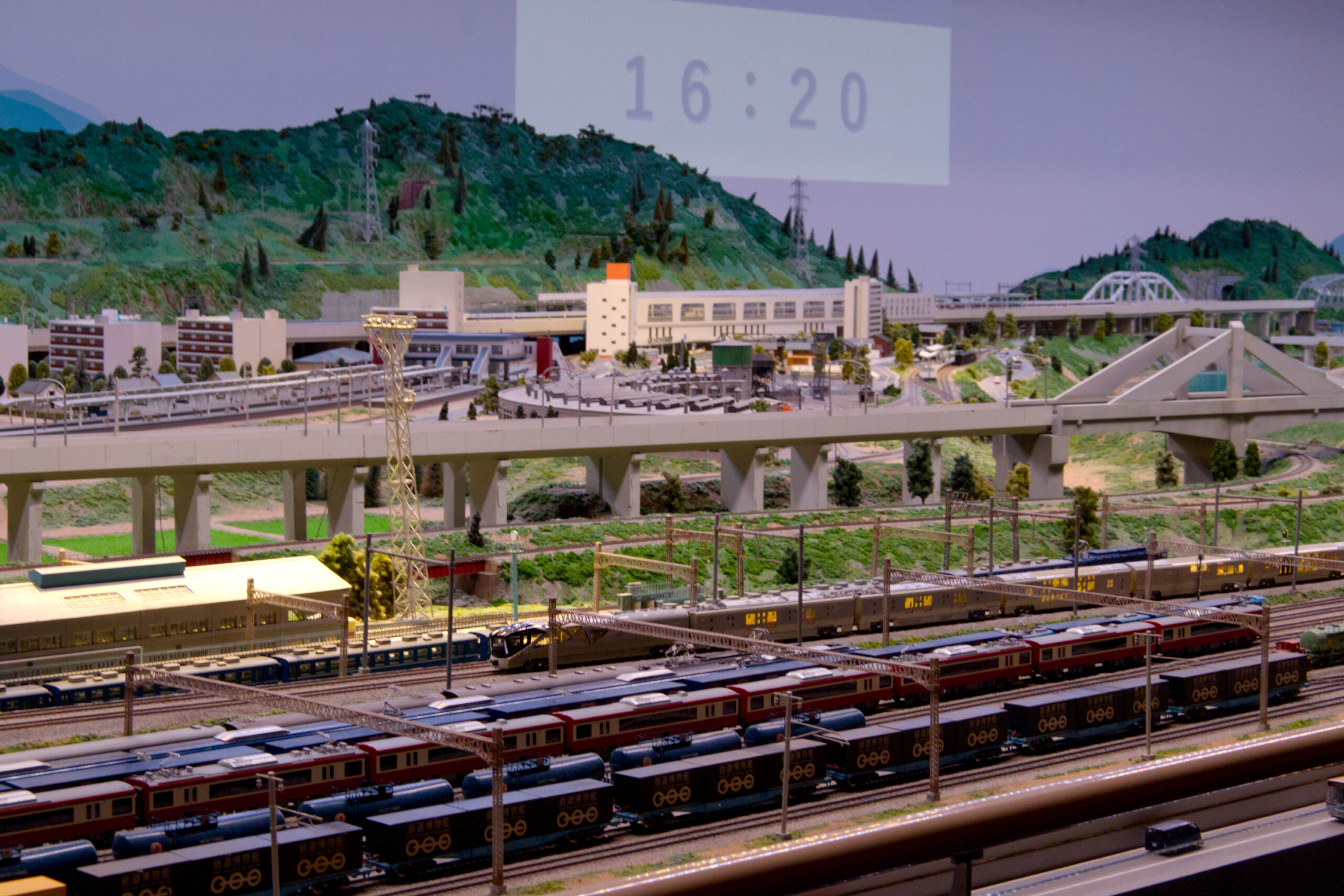
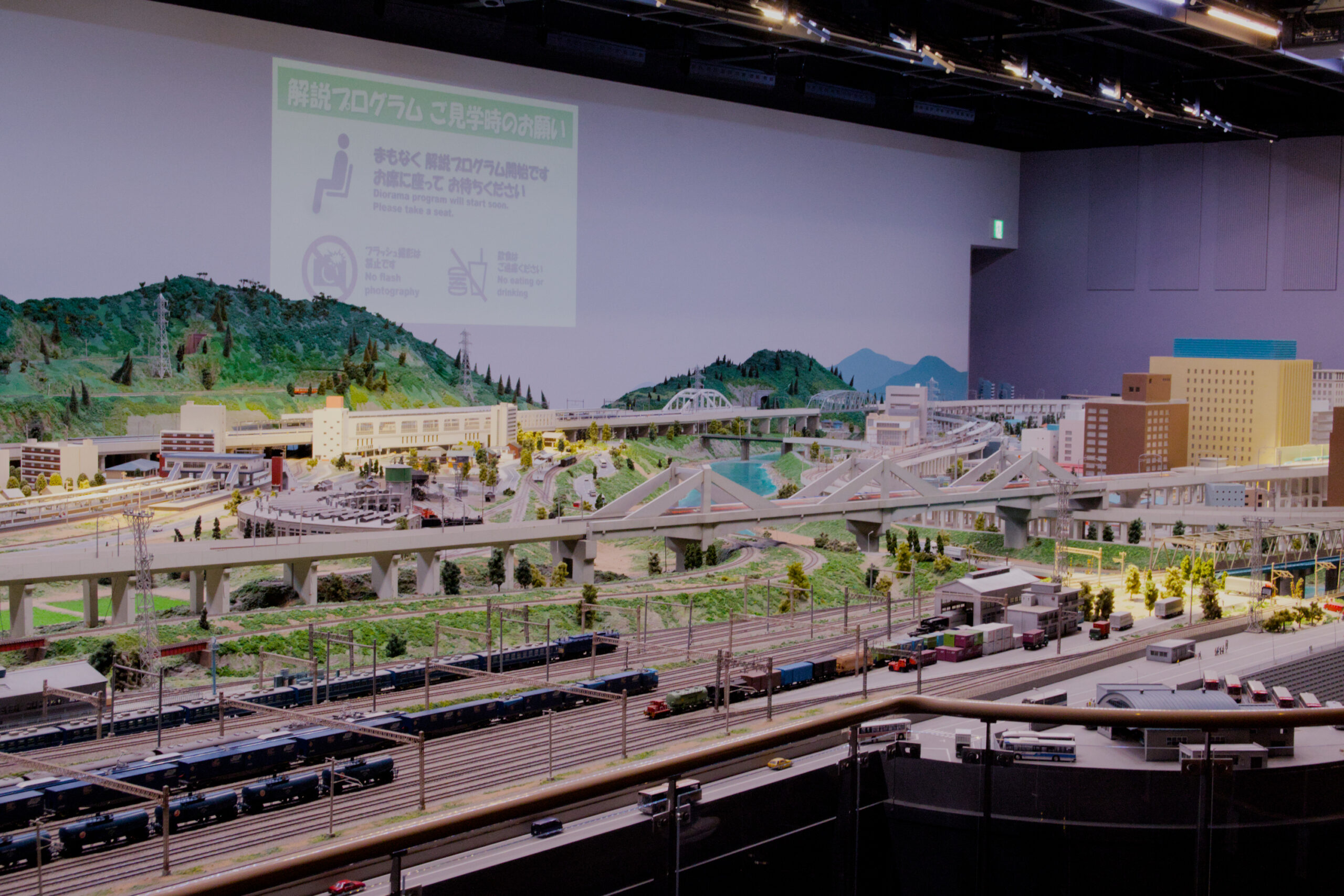
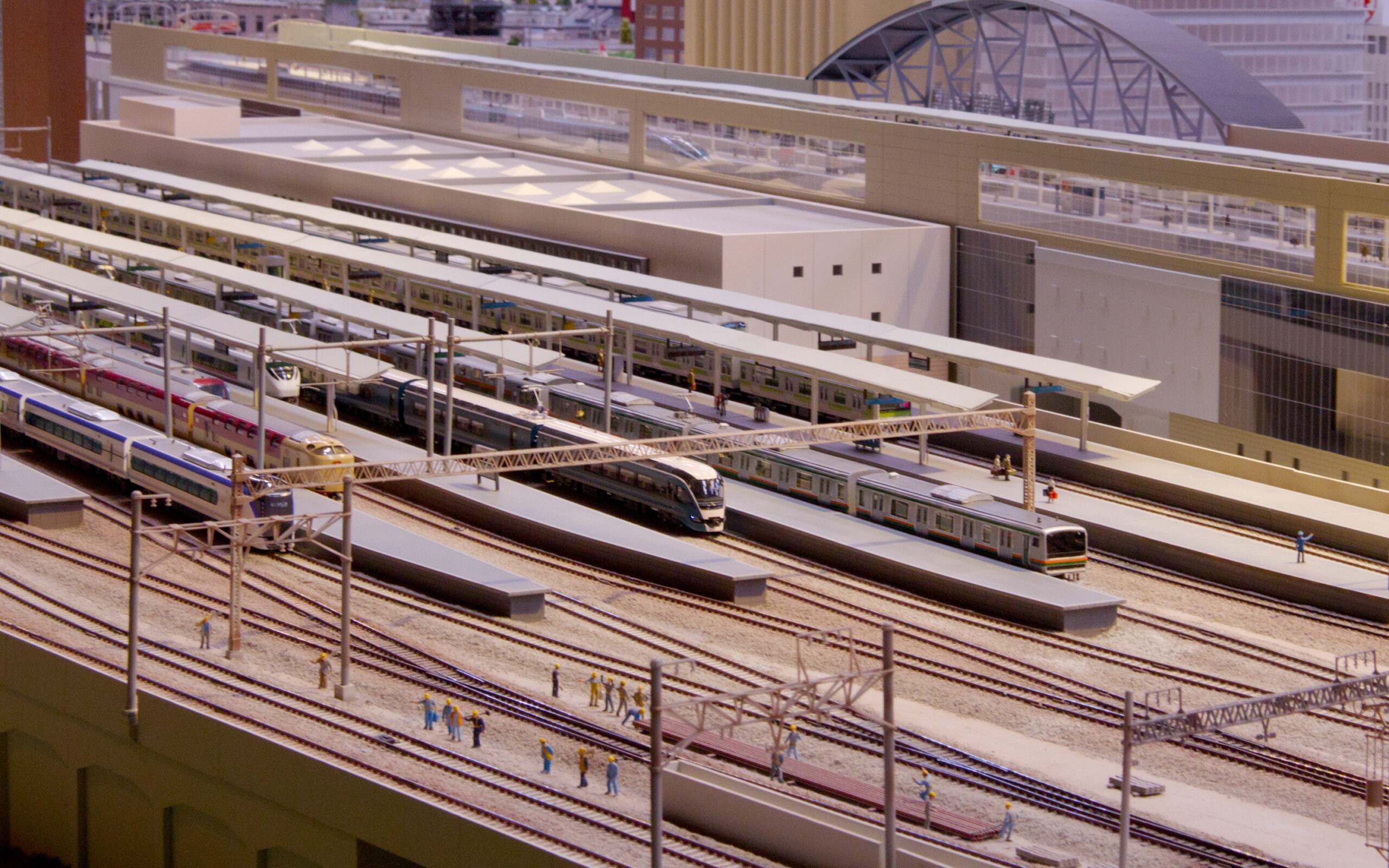
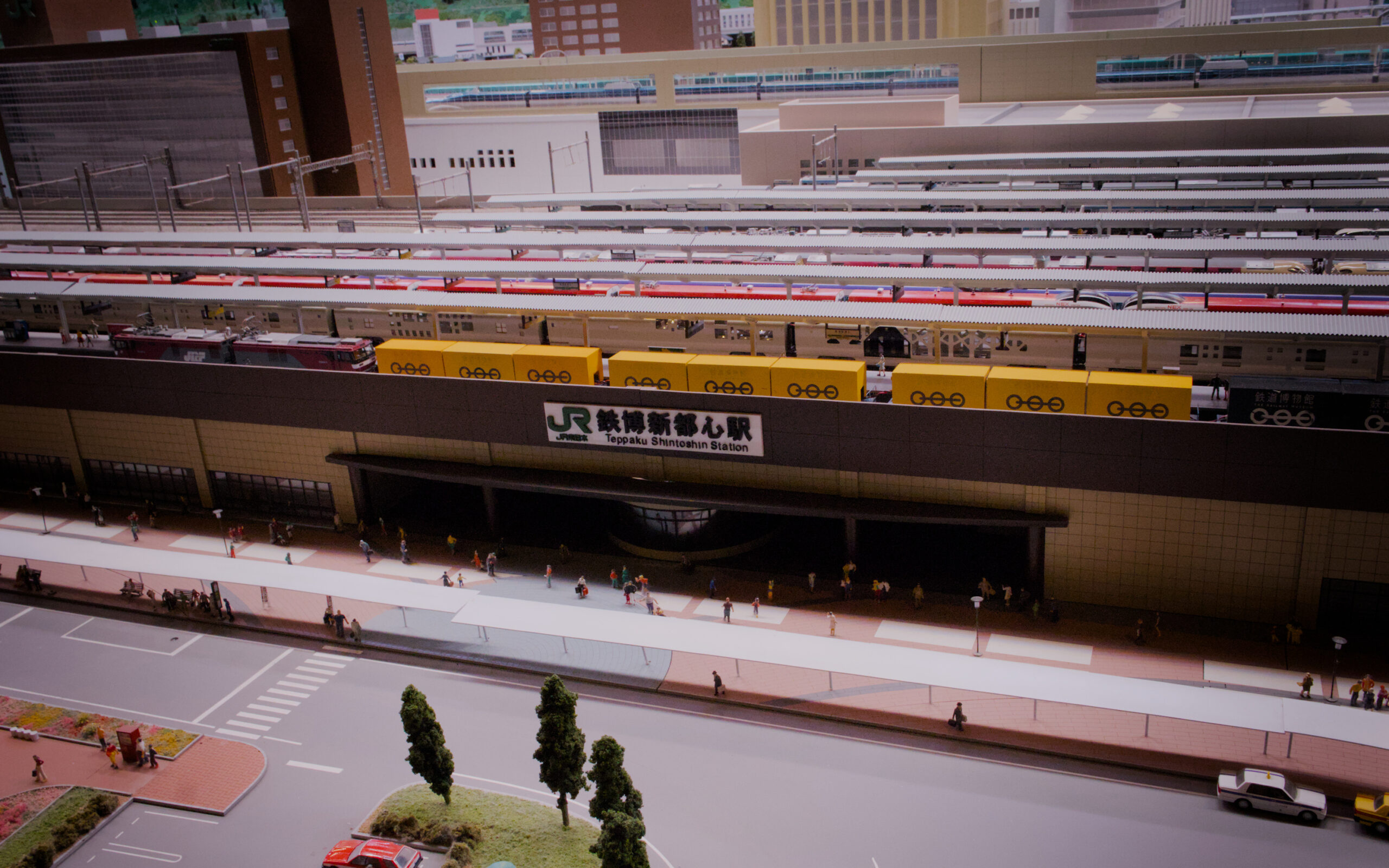
Speaking of model trains, the first floor also has an impressively massive Railway Diorama theatre, where you watch a free 15-minute live show that depicts how integrated and crucial railways are in urban Japan. Sadly, the live commentary is in Japanese only.
Past & Future

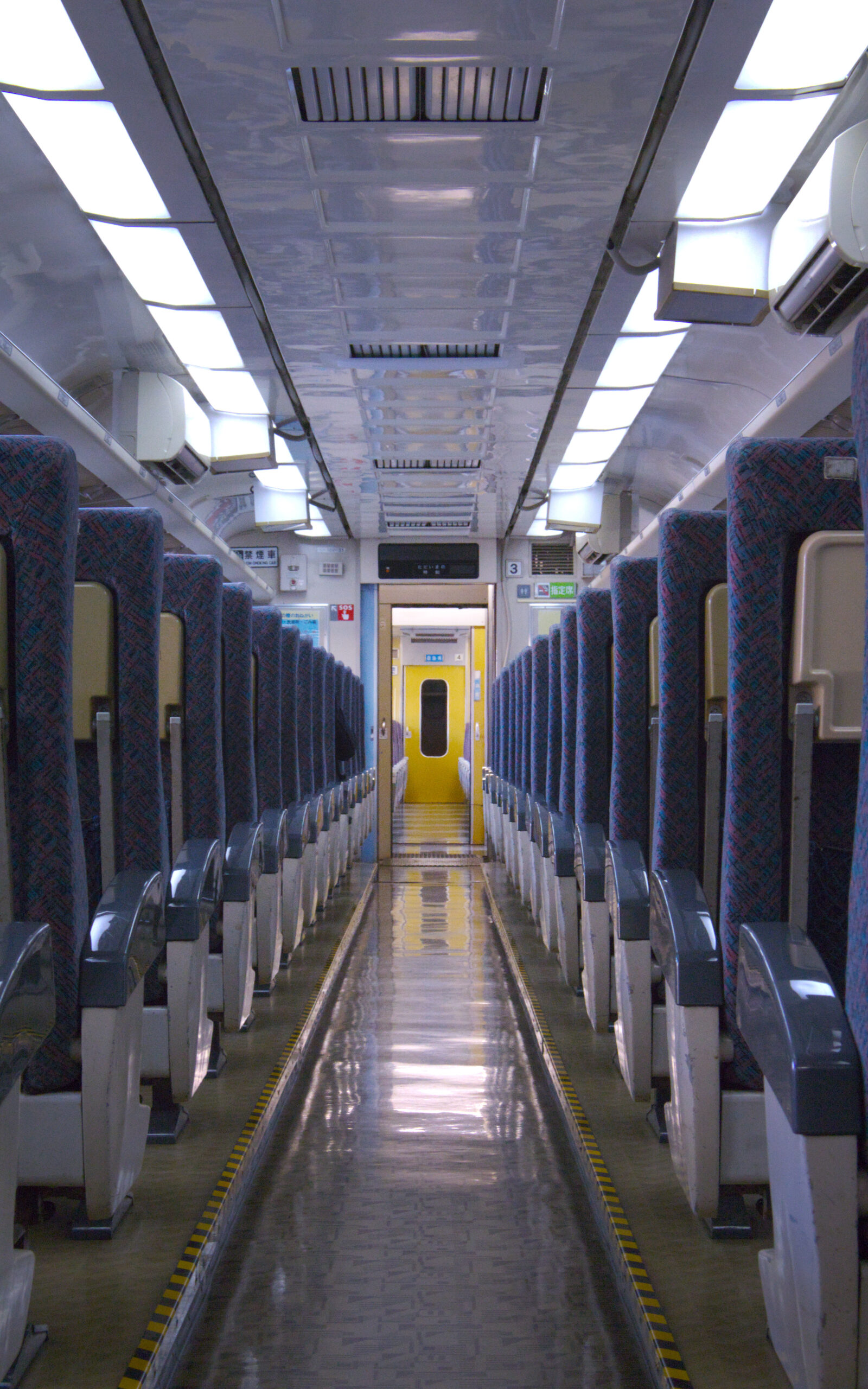
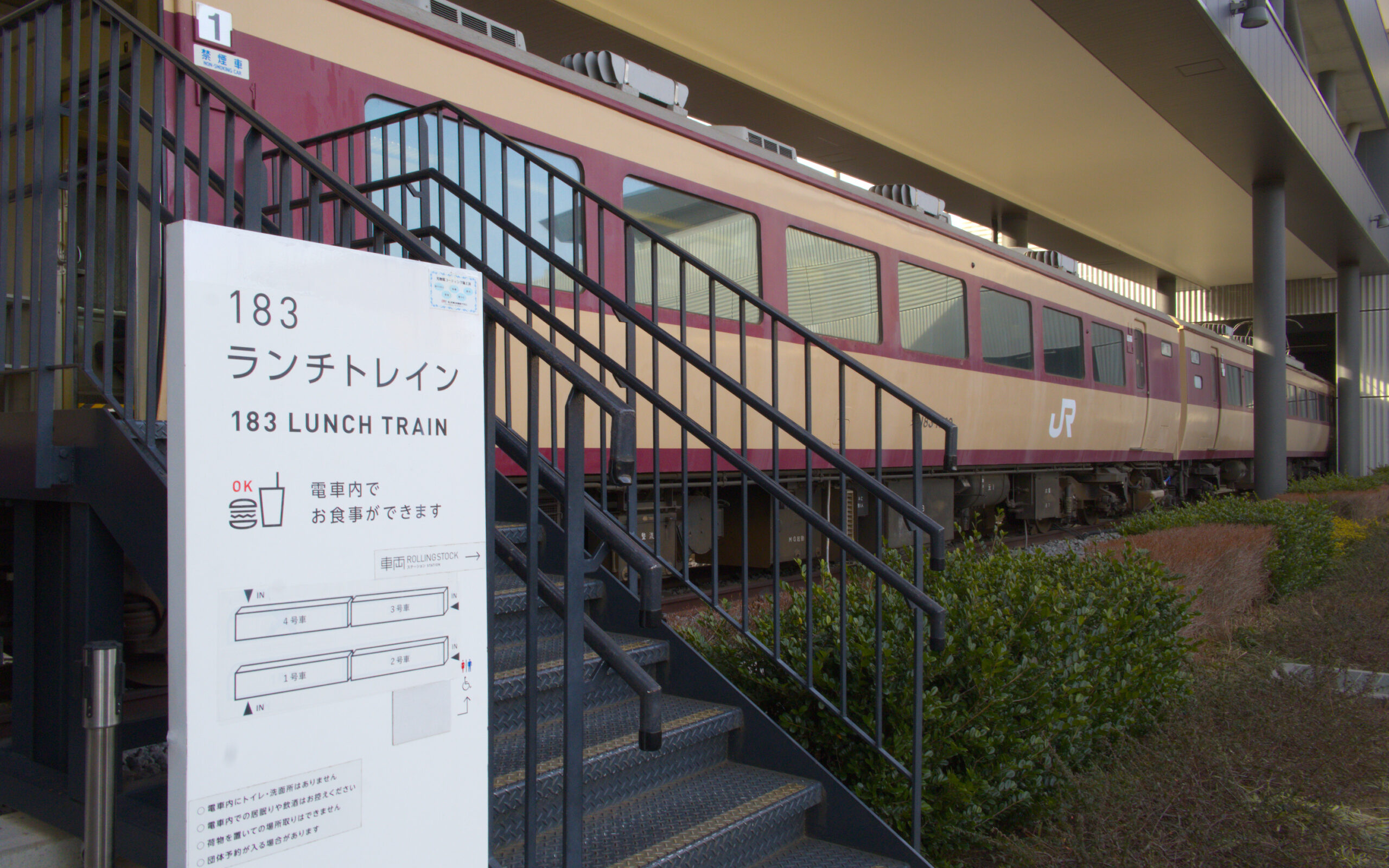
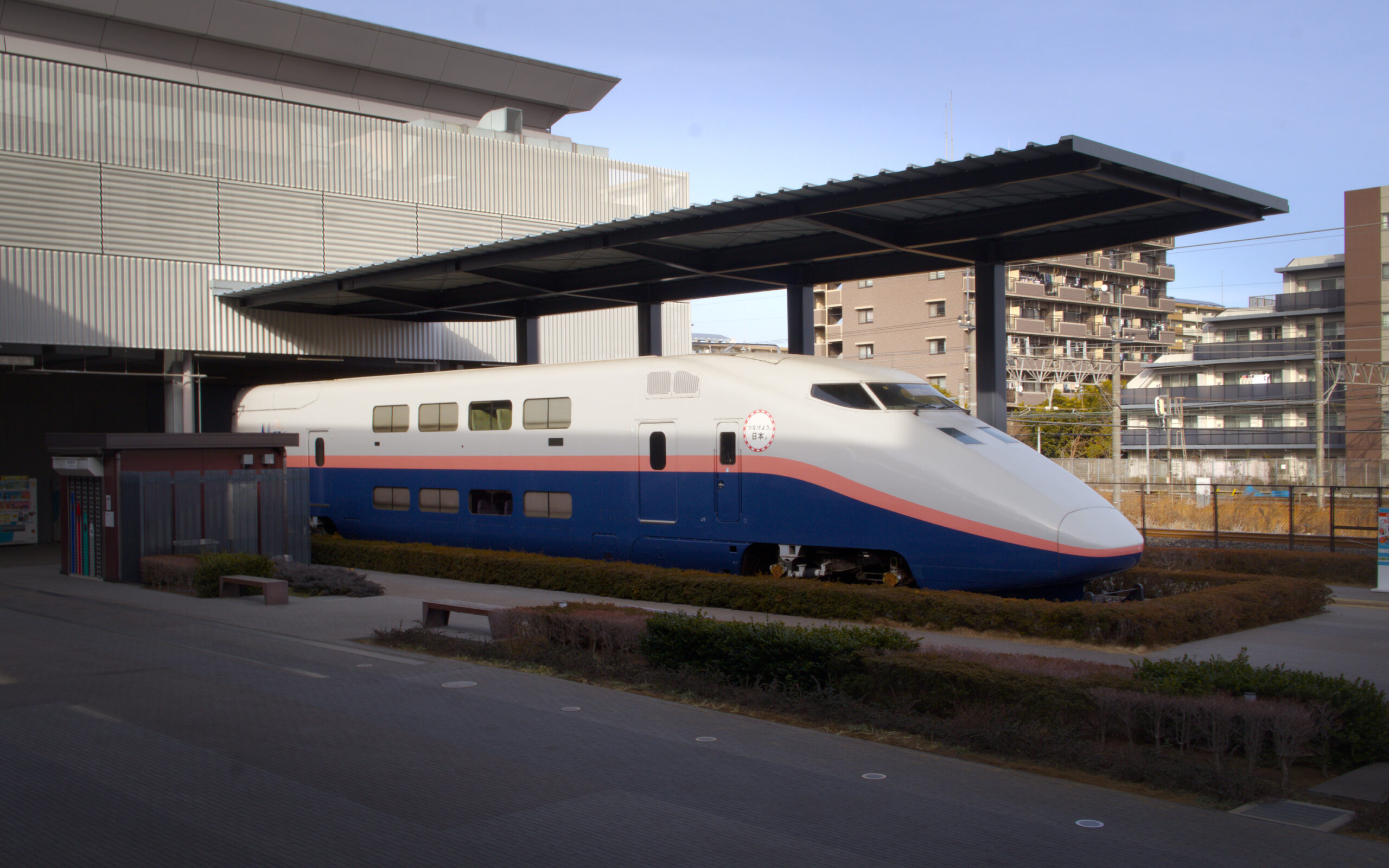
Outside the Main Building, you’ll come across even more rail carriages repurposed as chill rest areas. If you’re here around lunchtime, you can buy some of their cute rail-themed ekiben bento to enjoy on the trains too.

Past the lunch trains, you’ll finally reach the South Building, a three-floor building that explores both the past and future of Japanese rail, while giving you a peek at the nitty gritty work behind the scenes.
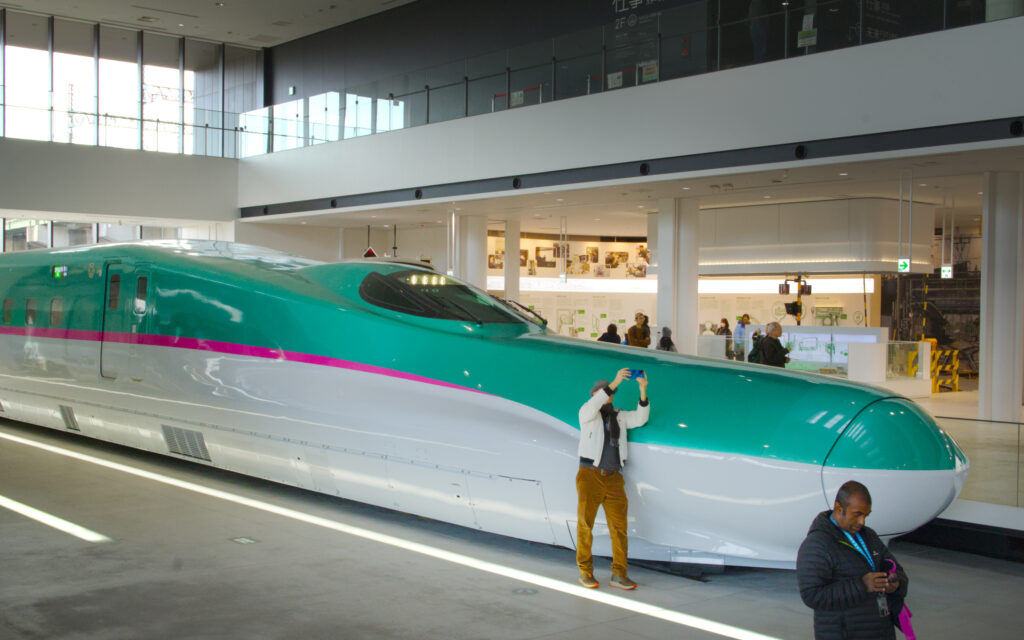
If you’re still not satisfied, the ground floor has both a E5 Series and a 400 Series Shinkansen waiting front and centre for you.
But look off to the right to see the floor’s main star – the Job Station.

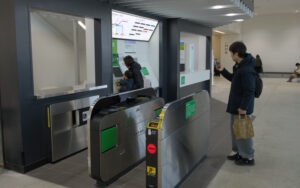
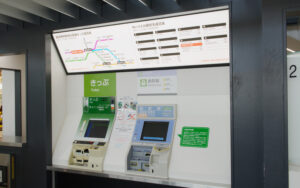

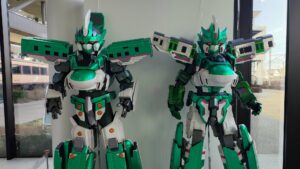

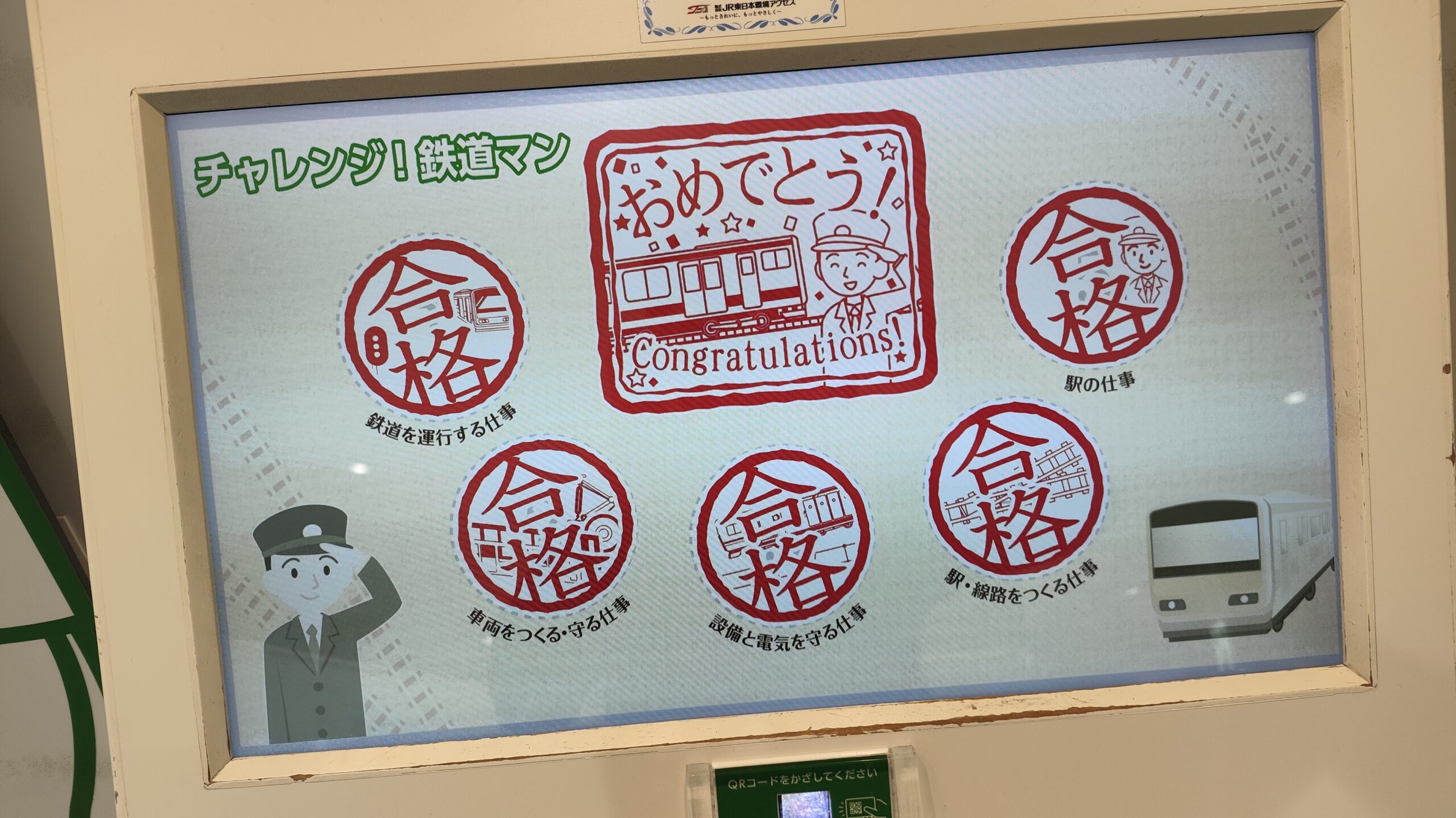
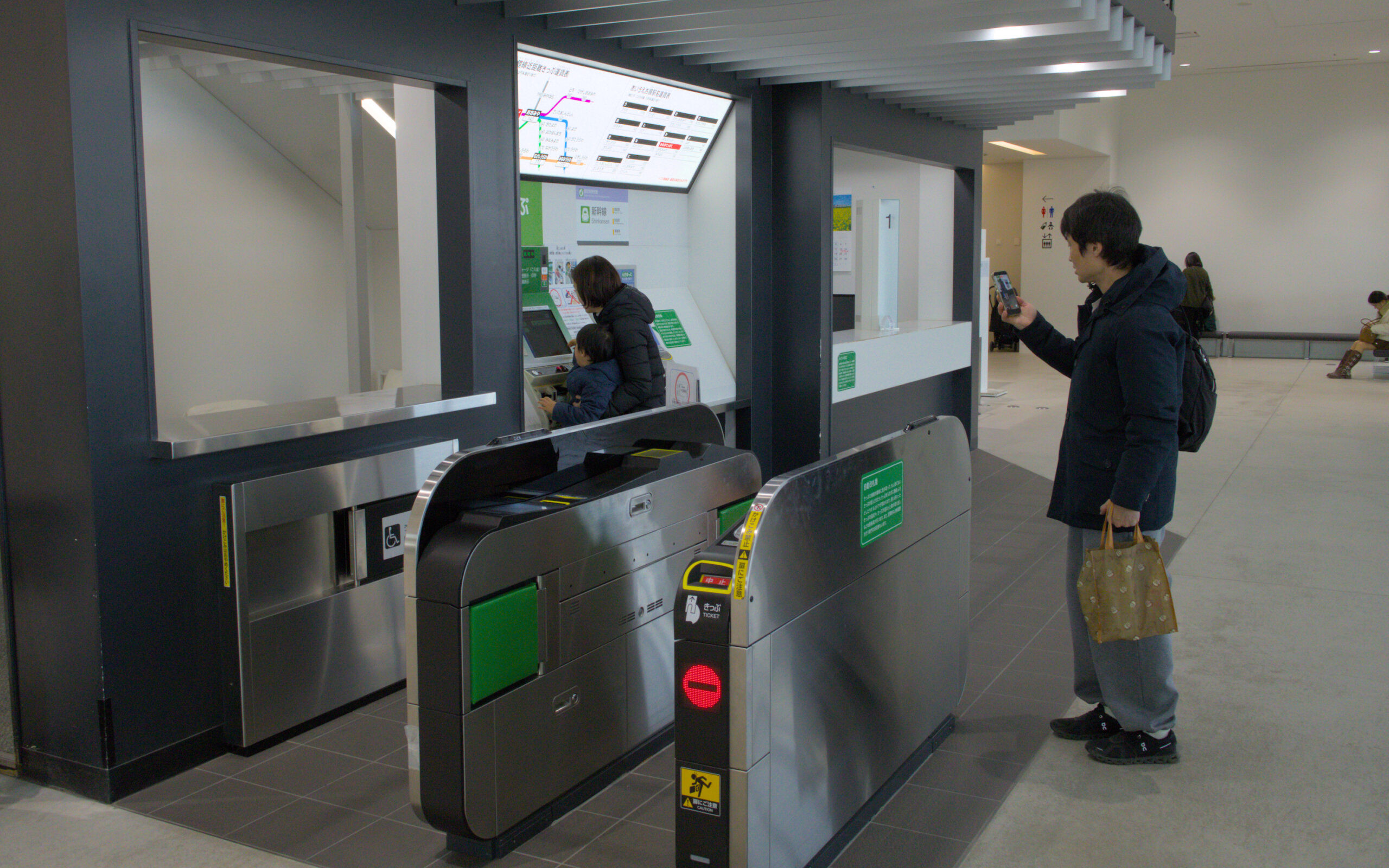
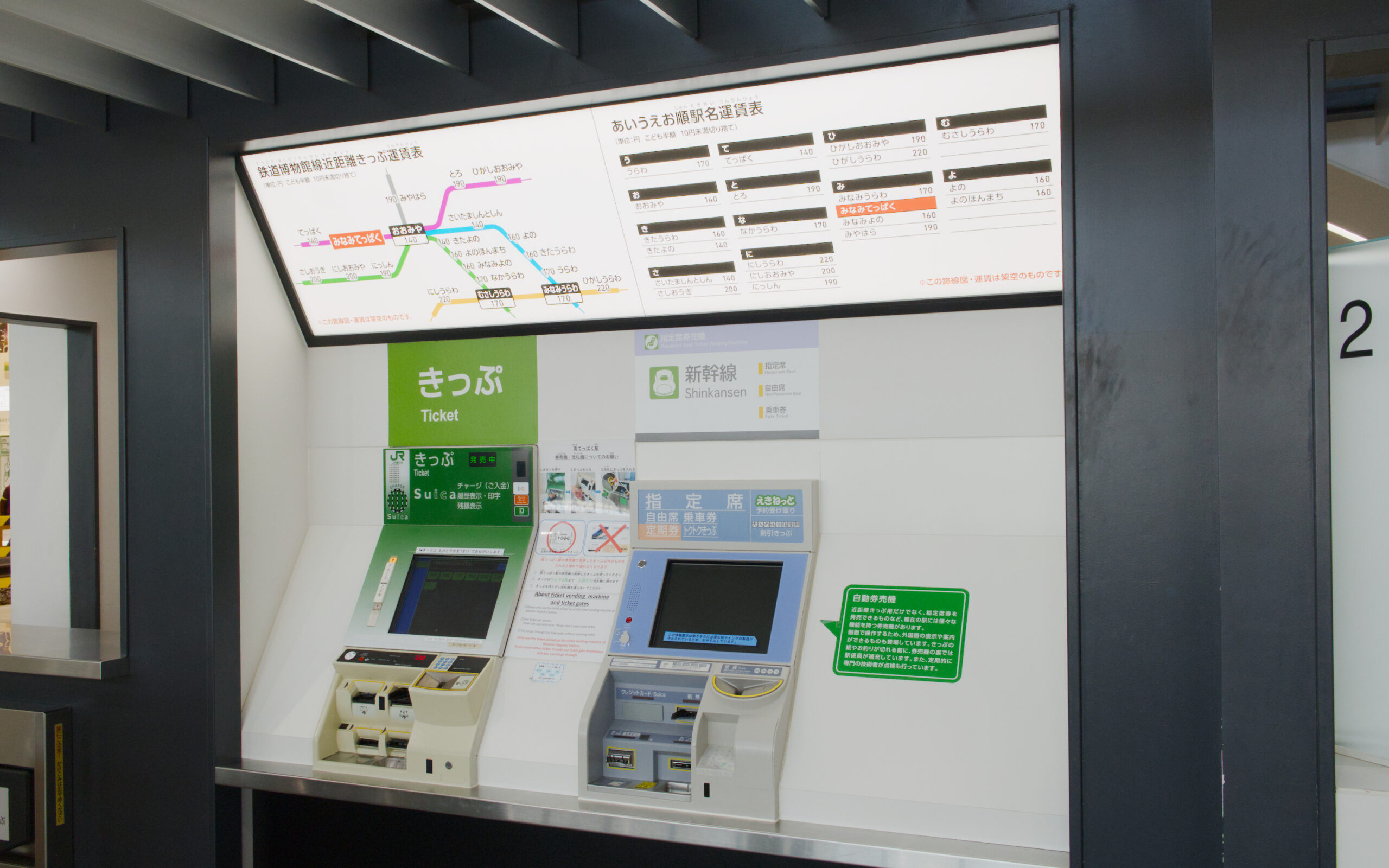


Split into five stations equipped with interactive displays, this exhibition focuses on the extraordinary amounts of work that goes into fabricating, operating and maintaining Japan’s railways.
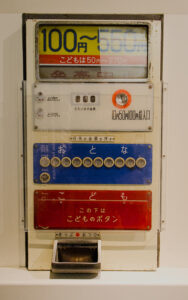
Set up like a stamp rally, you must complete simple challenges on the displays like aligning tracks or signalling trains before being rewarded with a cool souvenir card for your work. Make sure to get a souvenir ticket from the mock ticket machine nearby and a selfie at the plus life-sized rail crossing too!
Trains of Stations Past
Up on the second floor, the Job Station has an entire suite of simulators that let you start from basic train operations, graduate to driving local trains and finally show off on a E5 series shinkansen! Again, most of simulators require winning on the raffle app. Even the ones that aren’t raffle-only had pretty long lines too, at least when I was there.
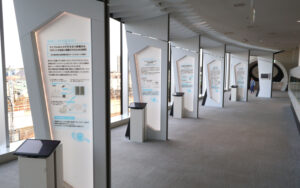

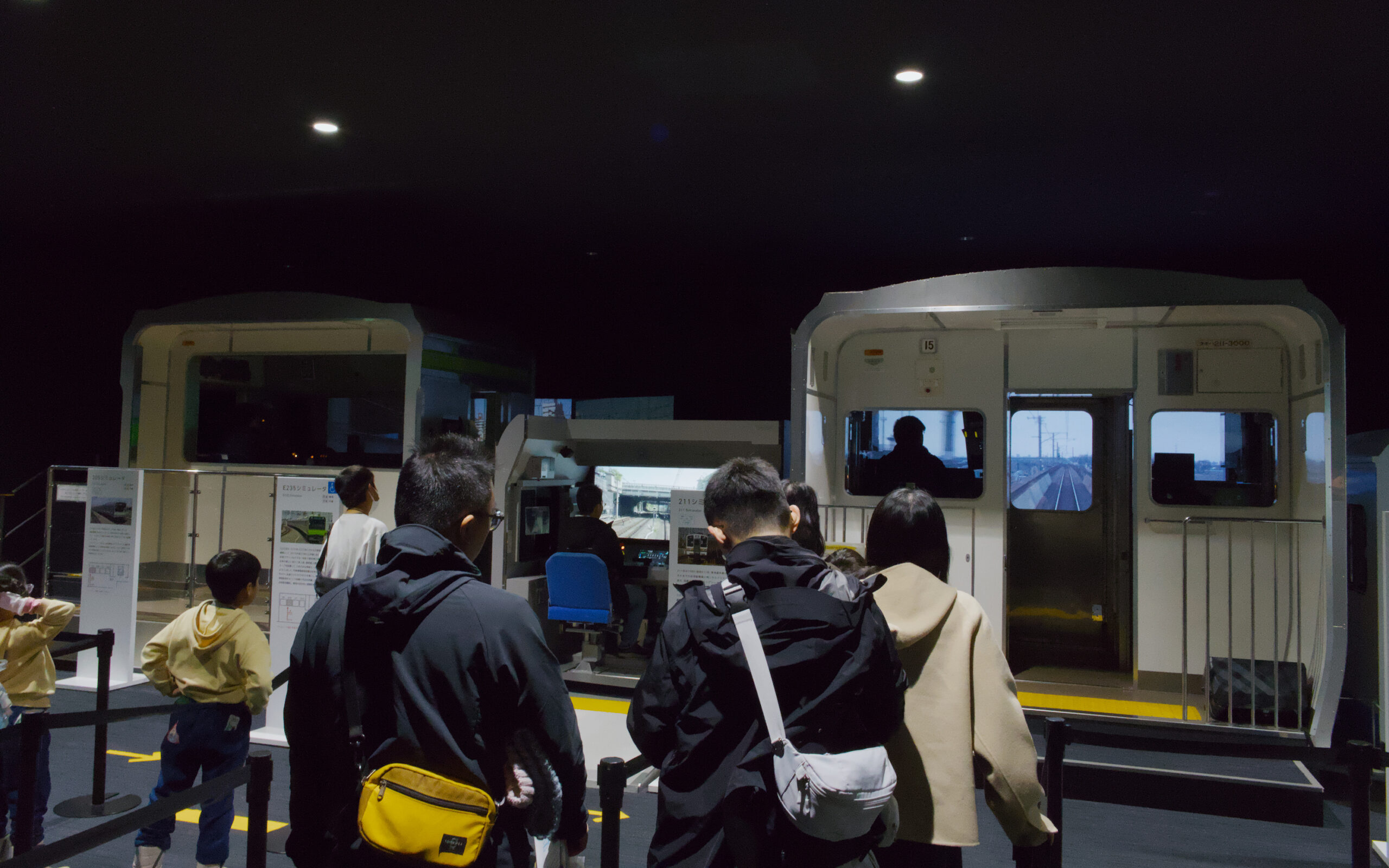

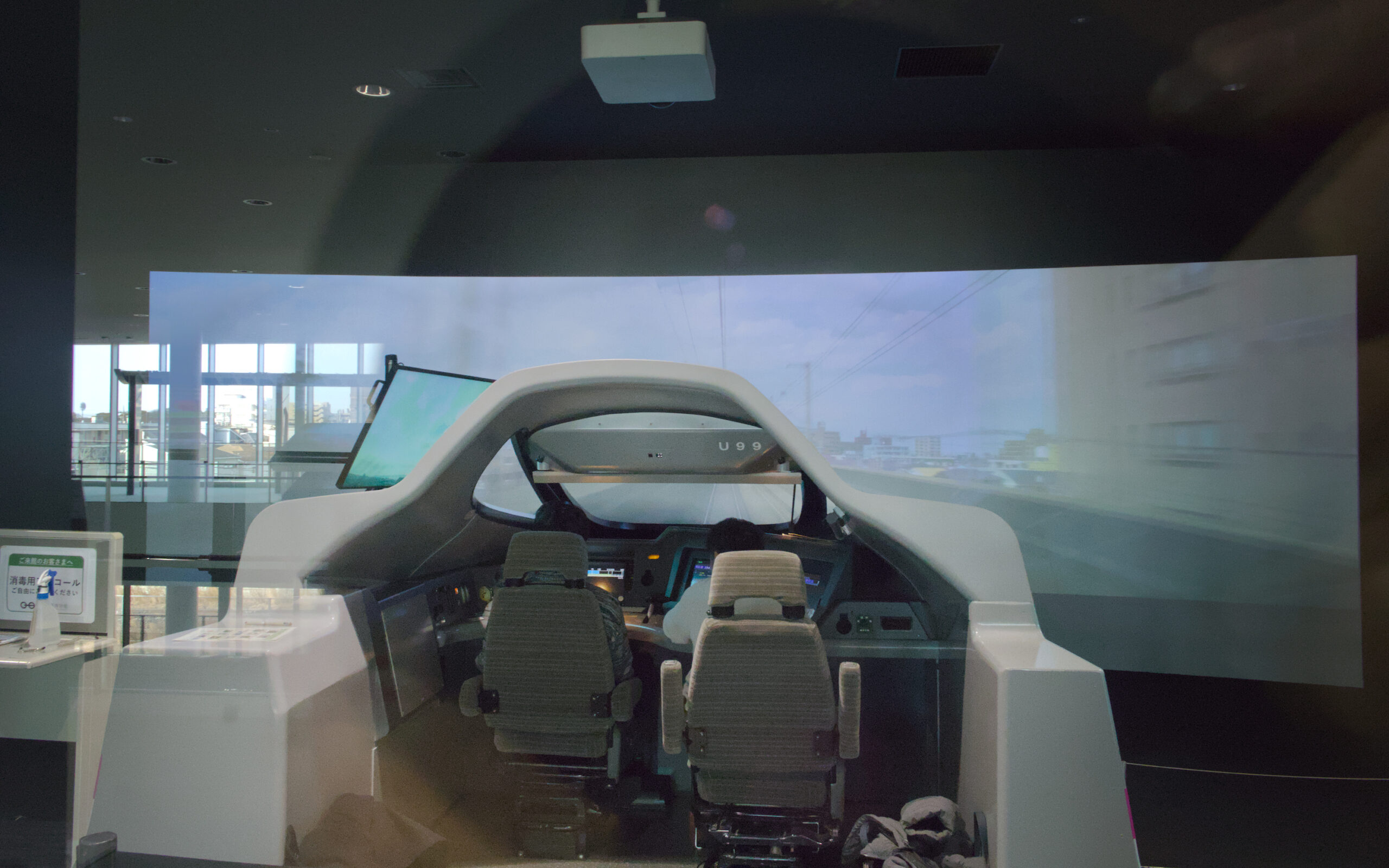
On the same floor there’s also the Future Station, a passable section speculating on the future of rail travel. Besides a quirky exhibit that lets you submit drawings and ideas, there’s not much here sadly.
But that all changes on the third floor.
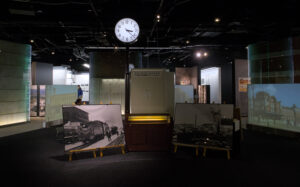
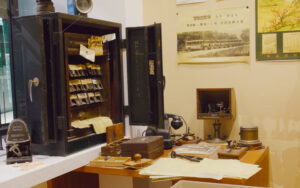

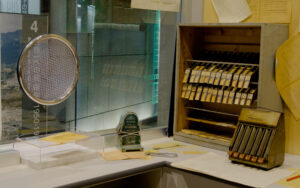
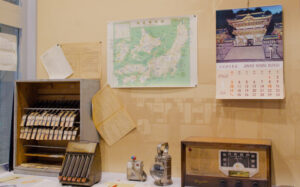
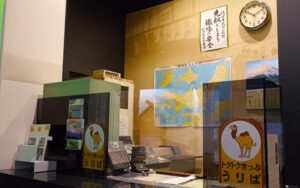
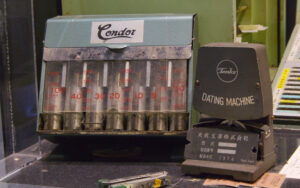


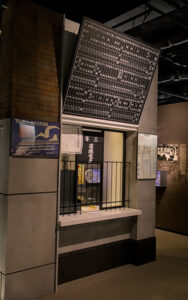
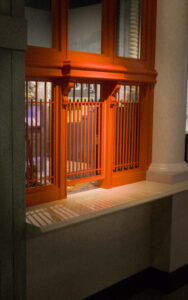
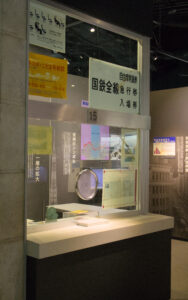
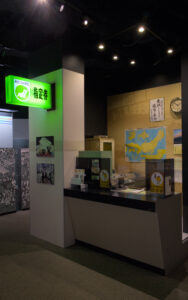
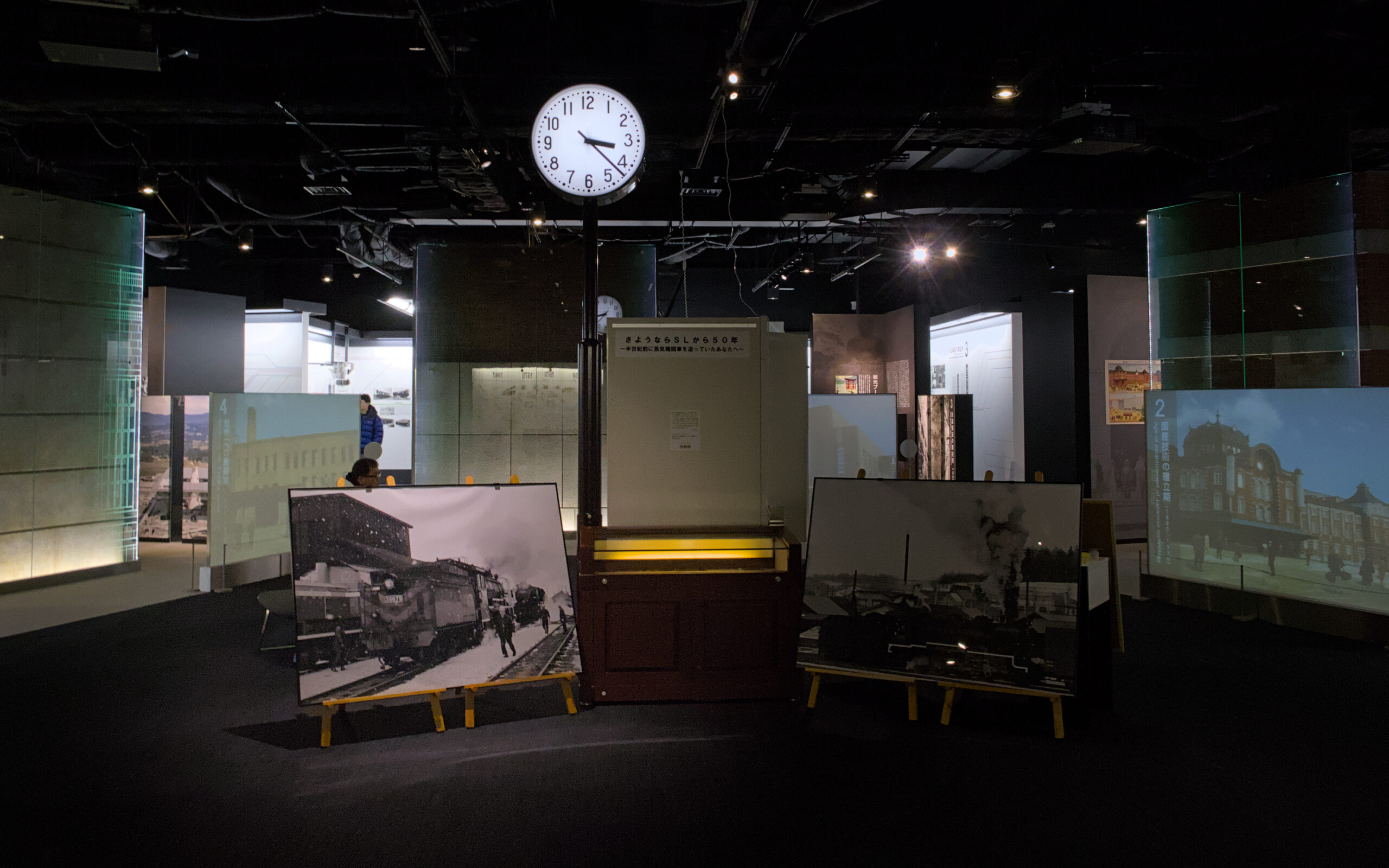
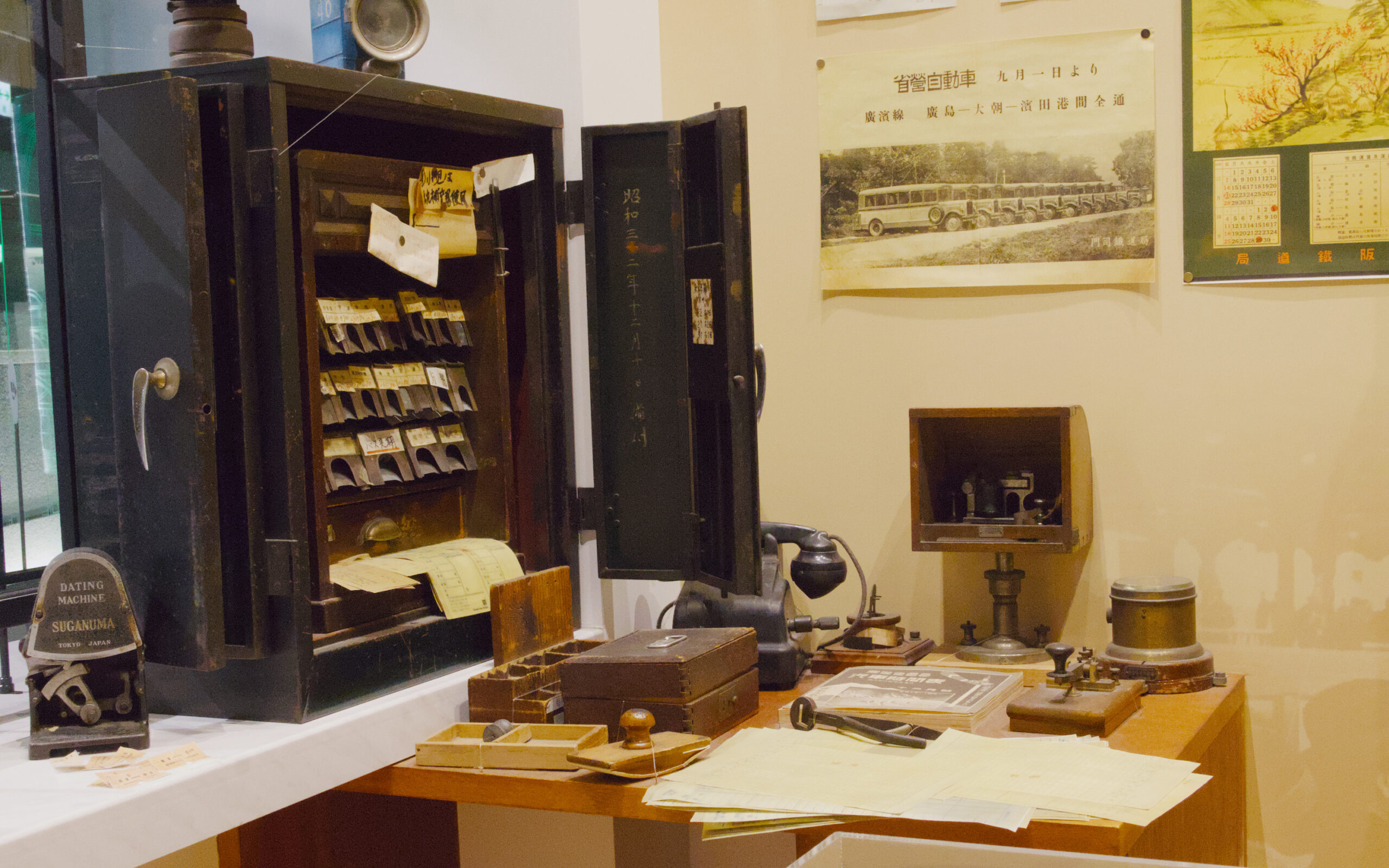
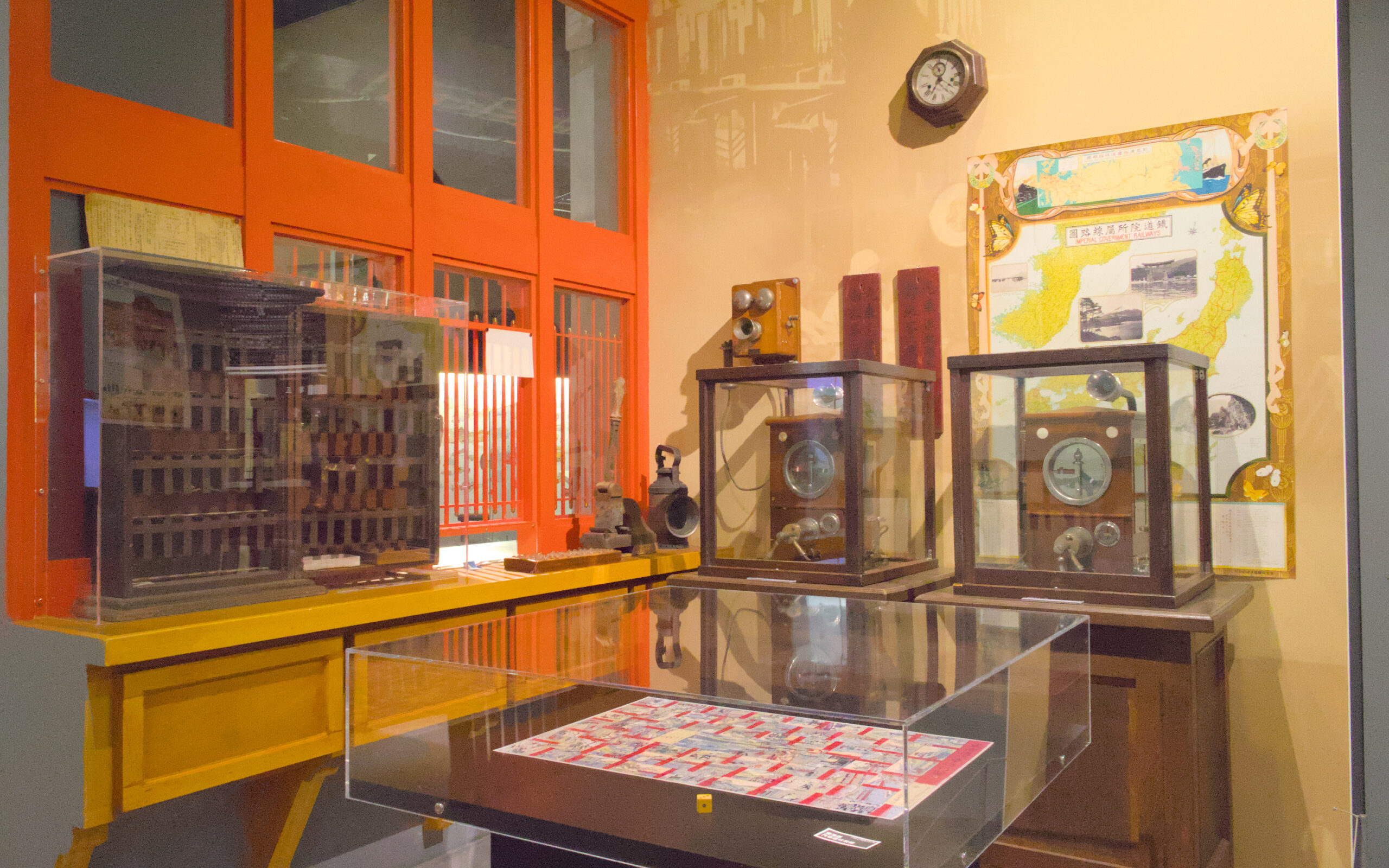
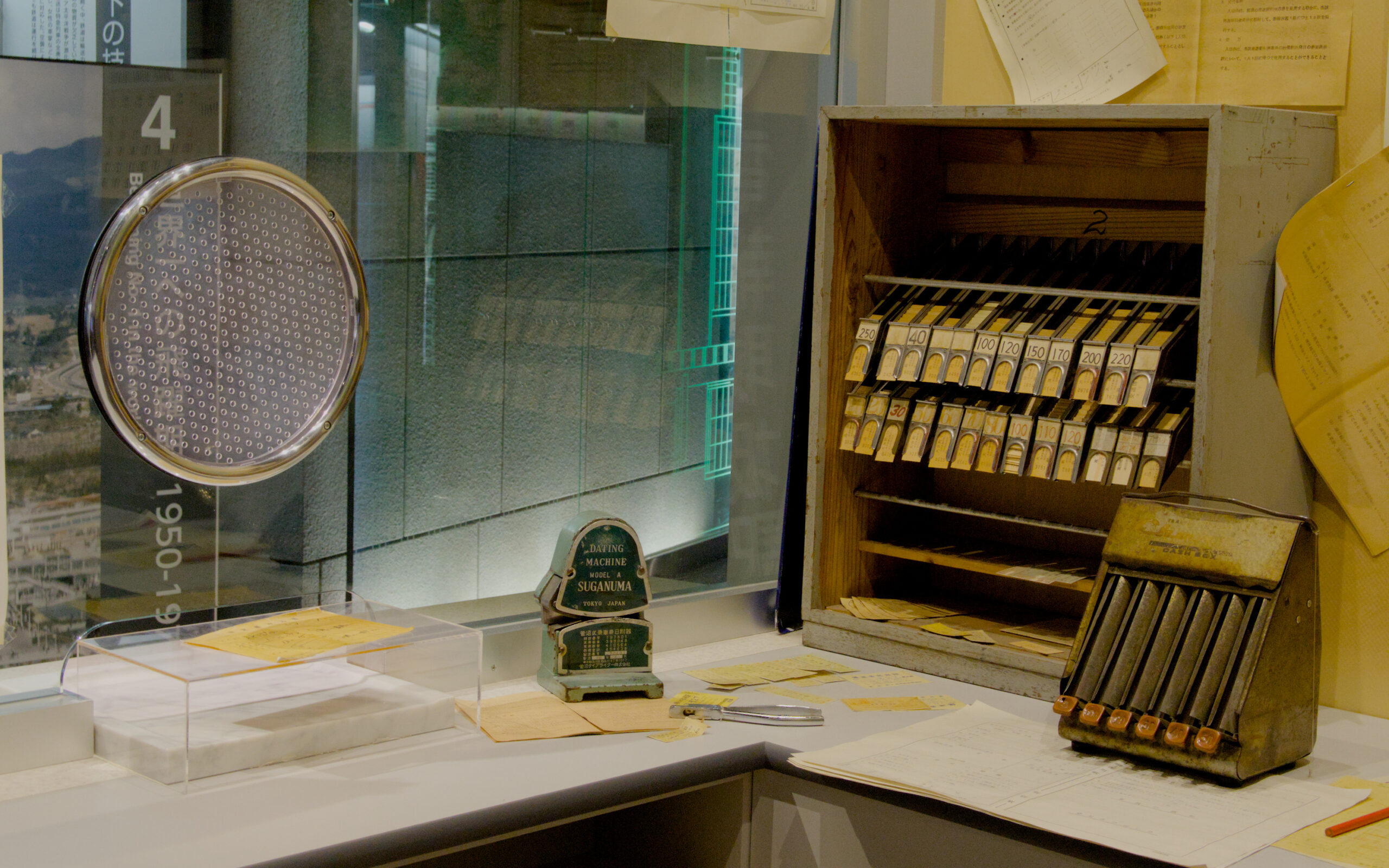
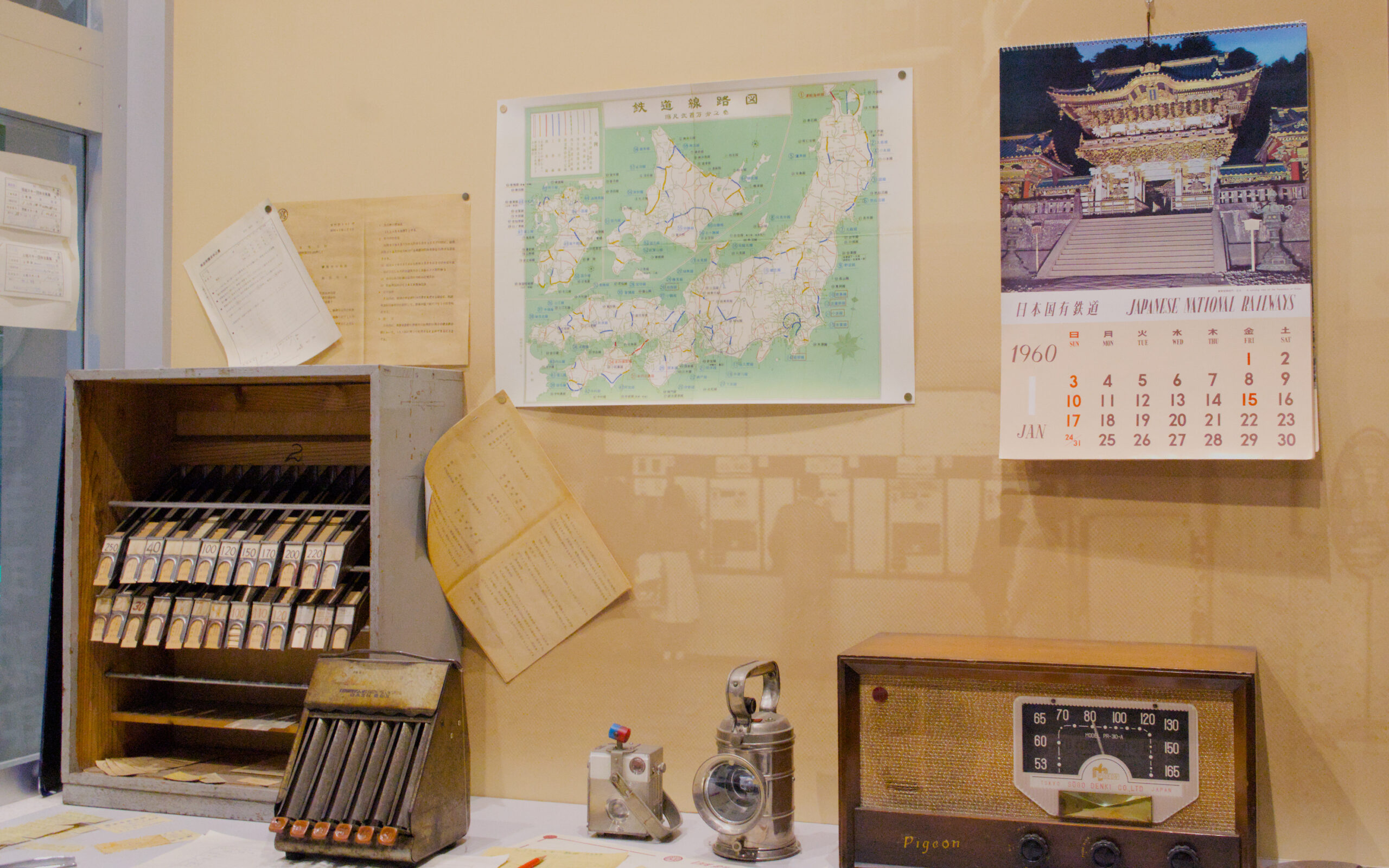
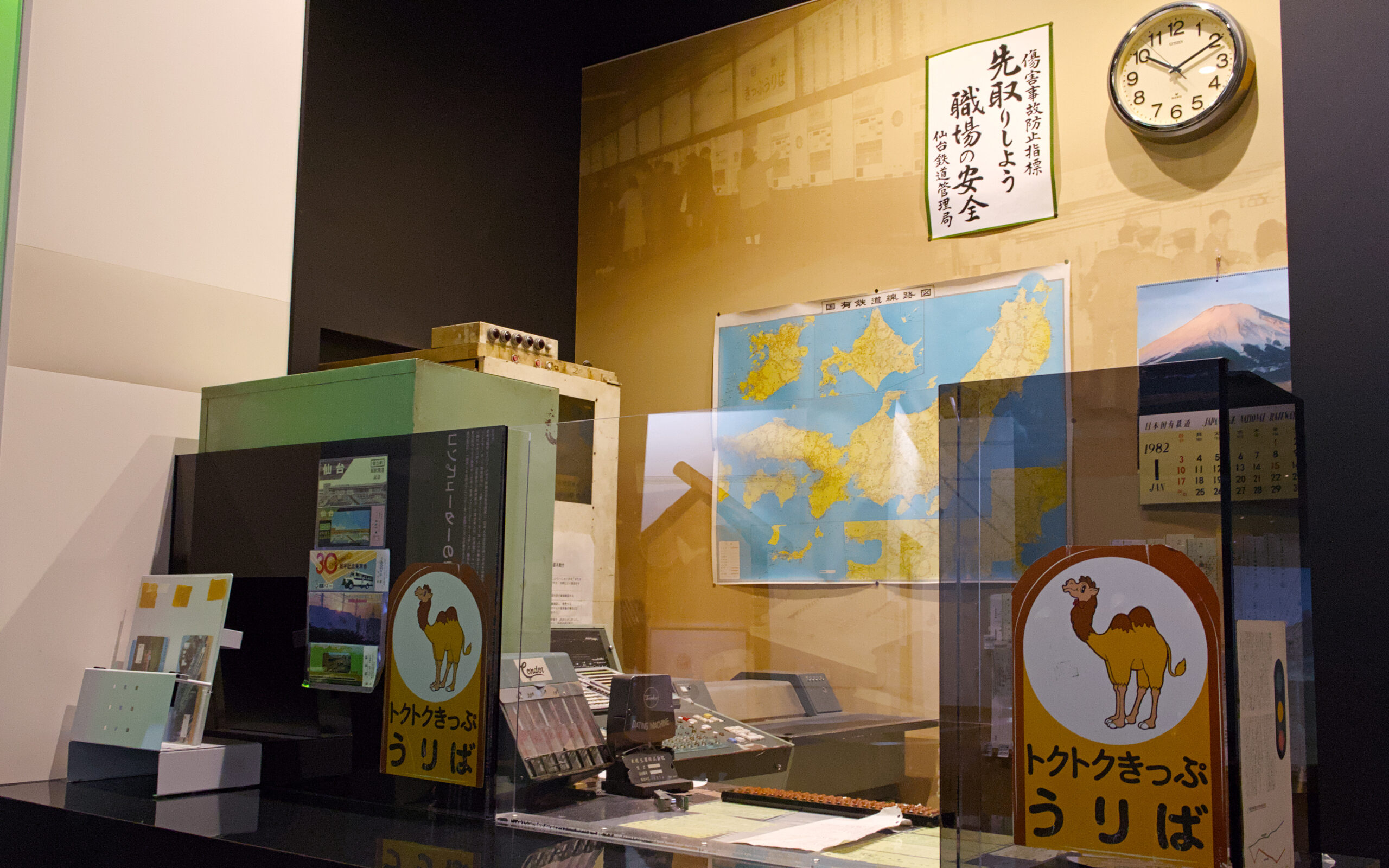
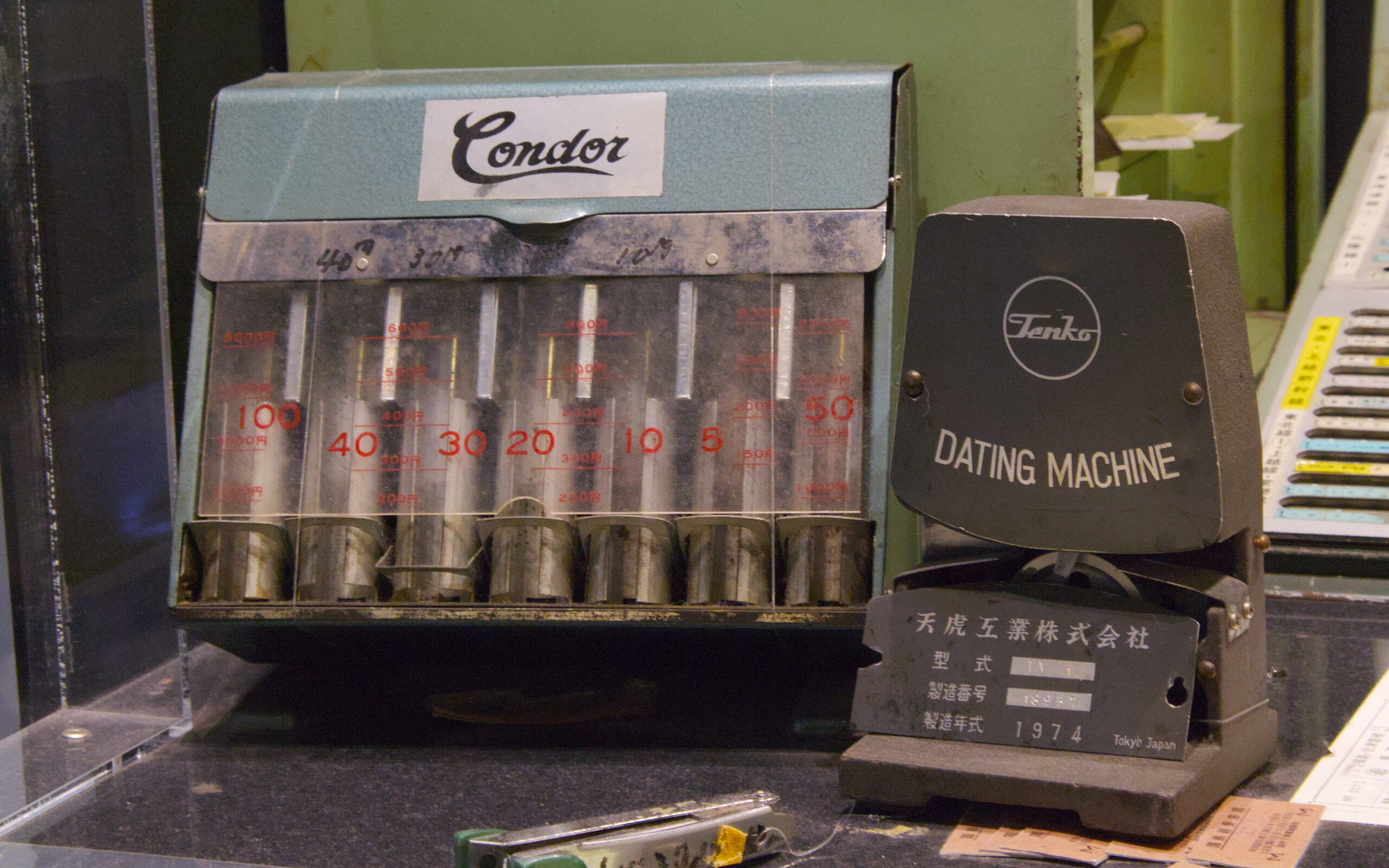
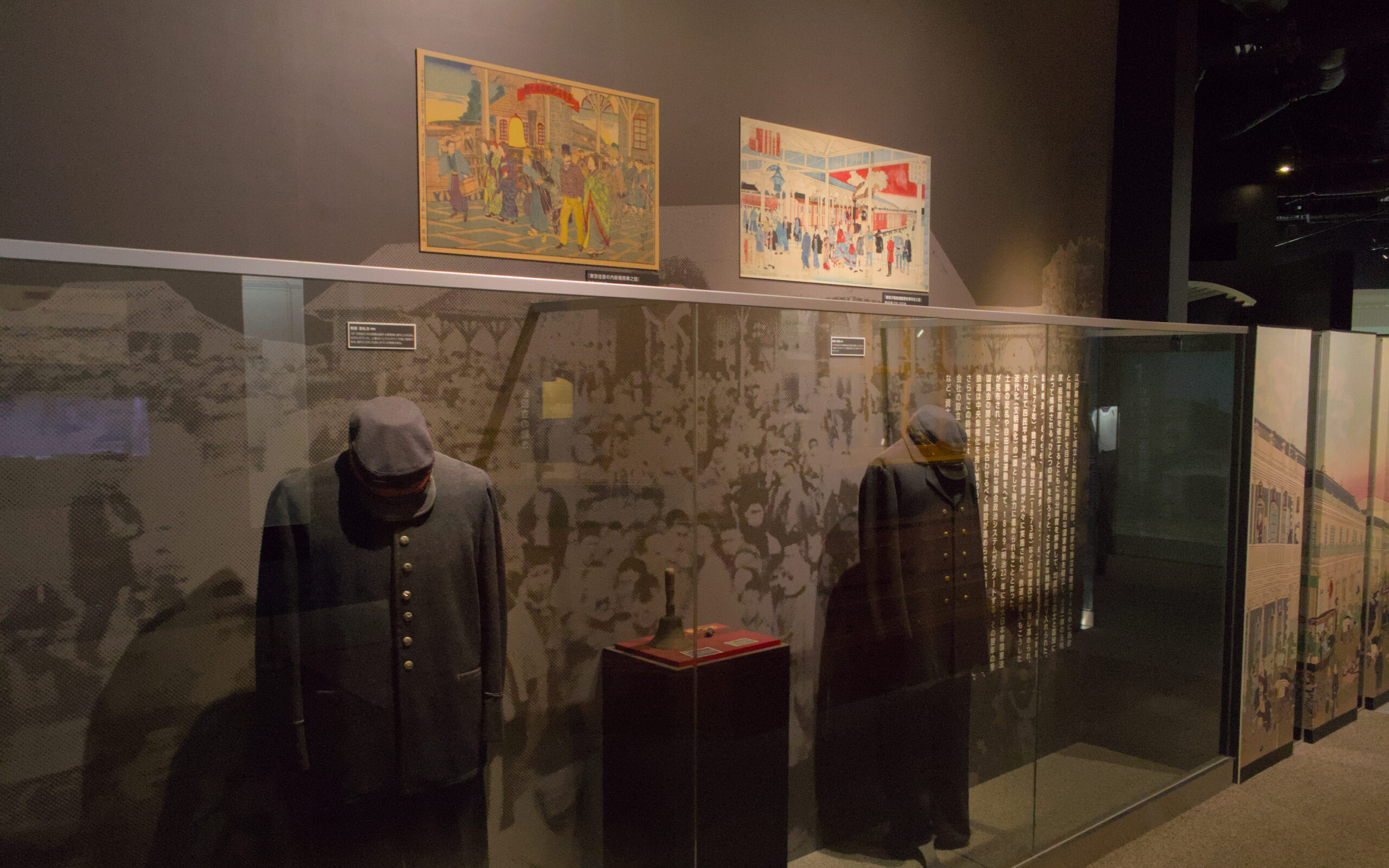
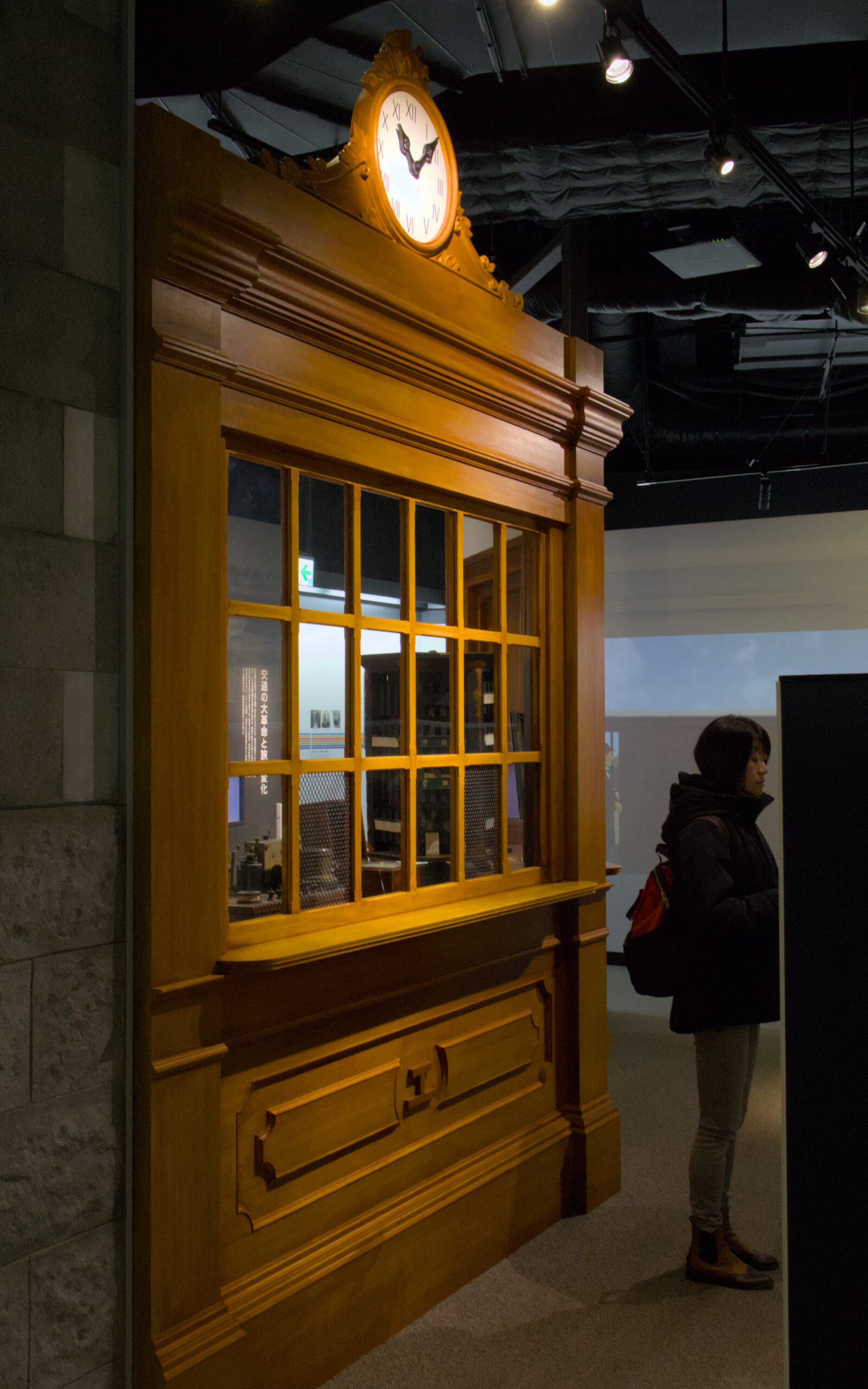
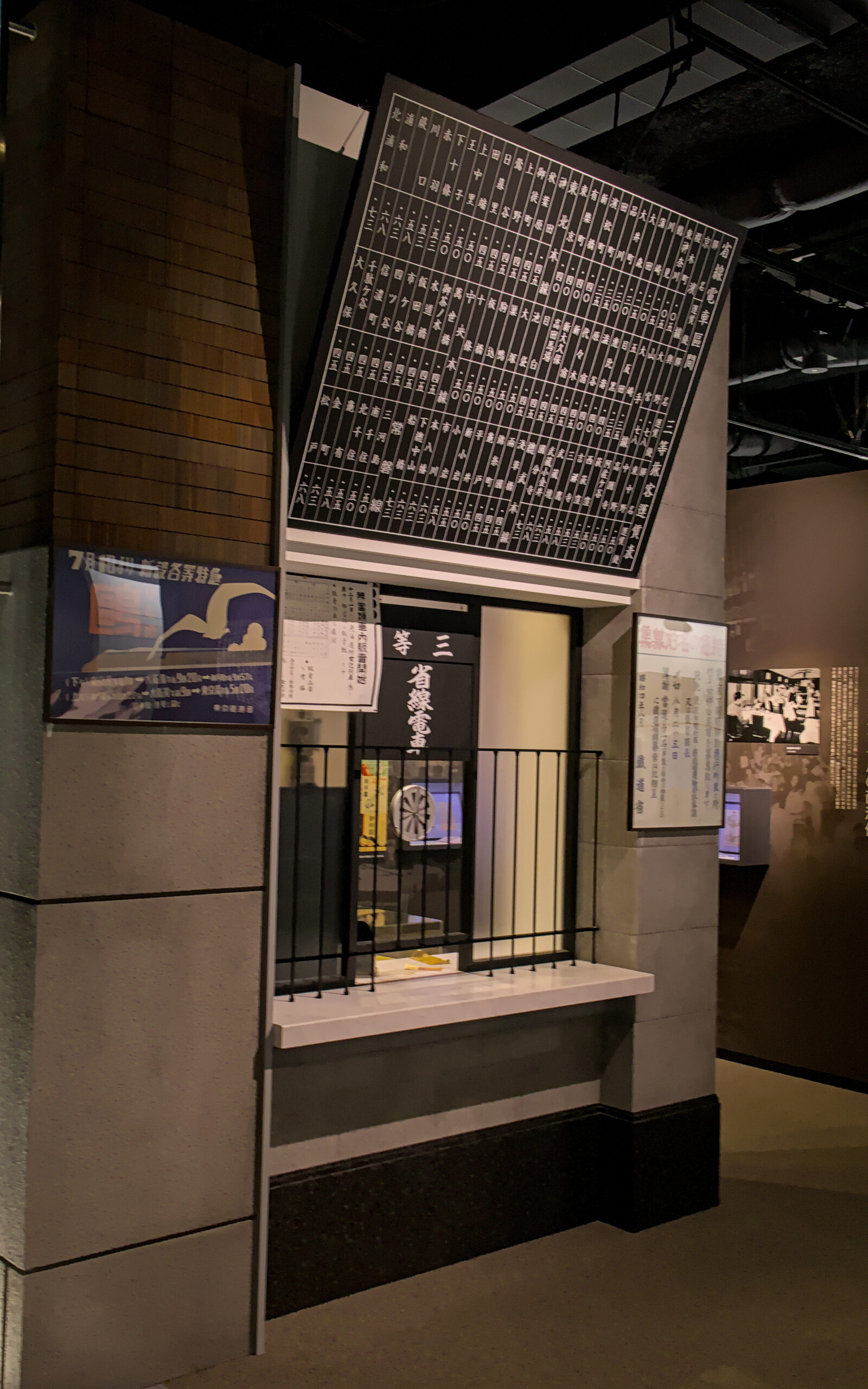

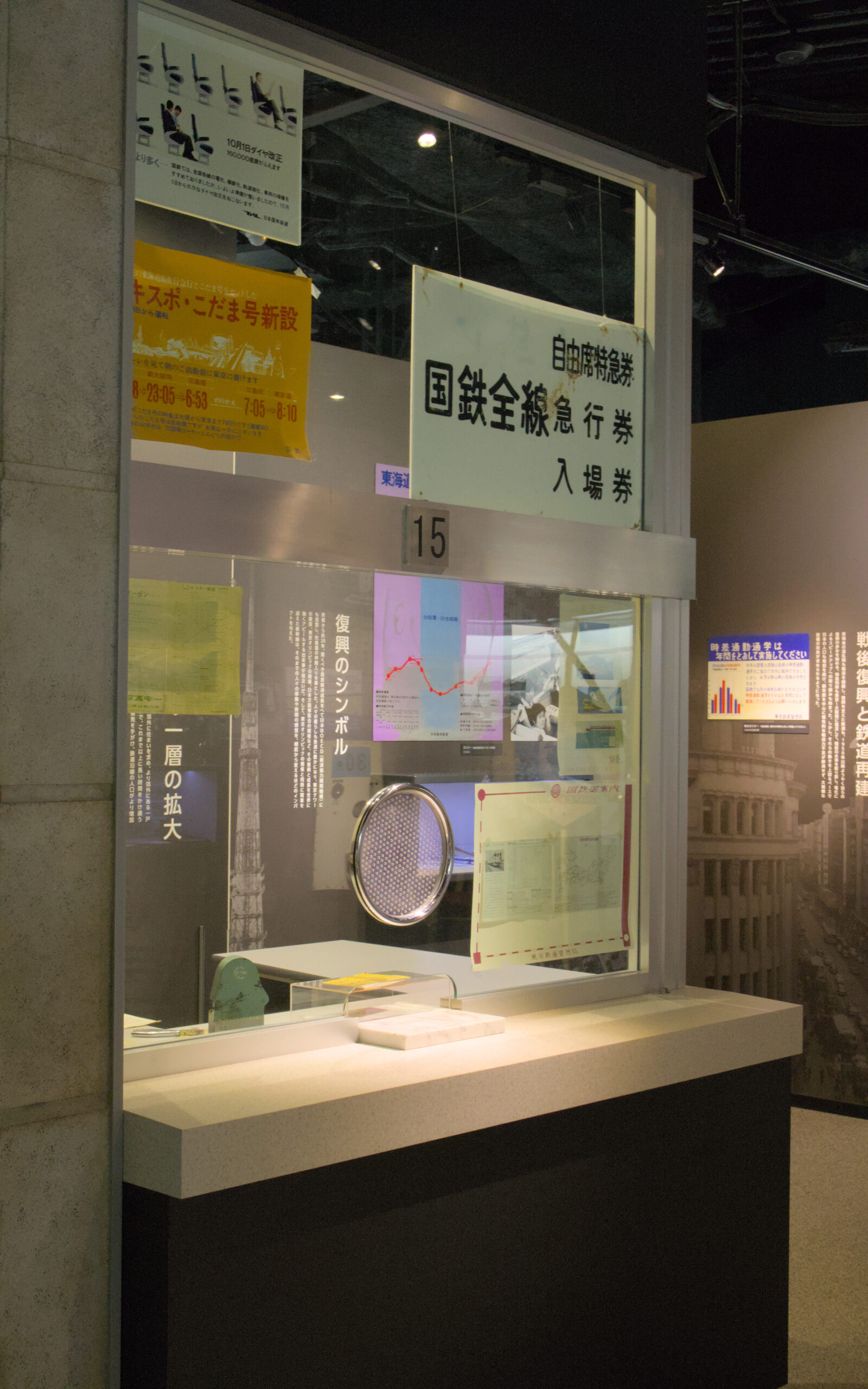
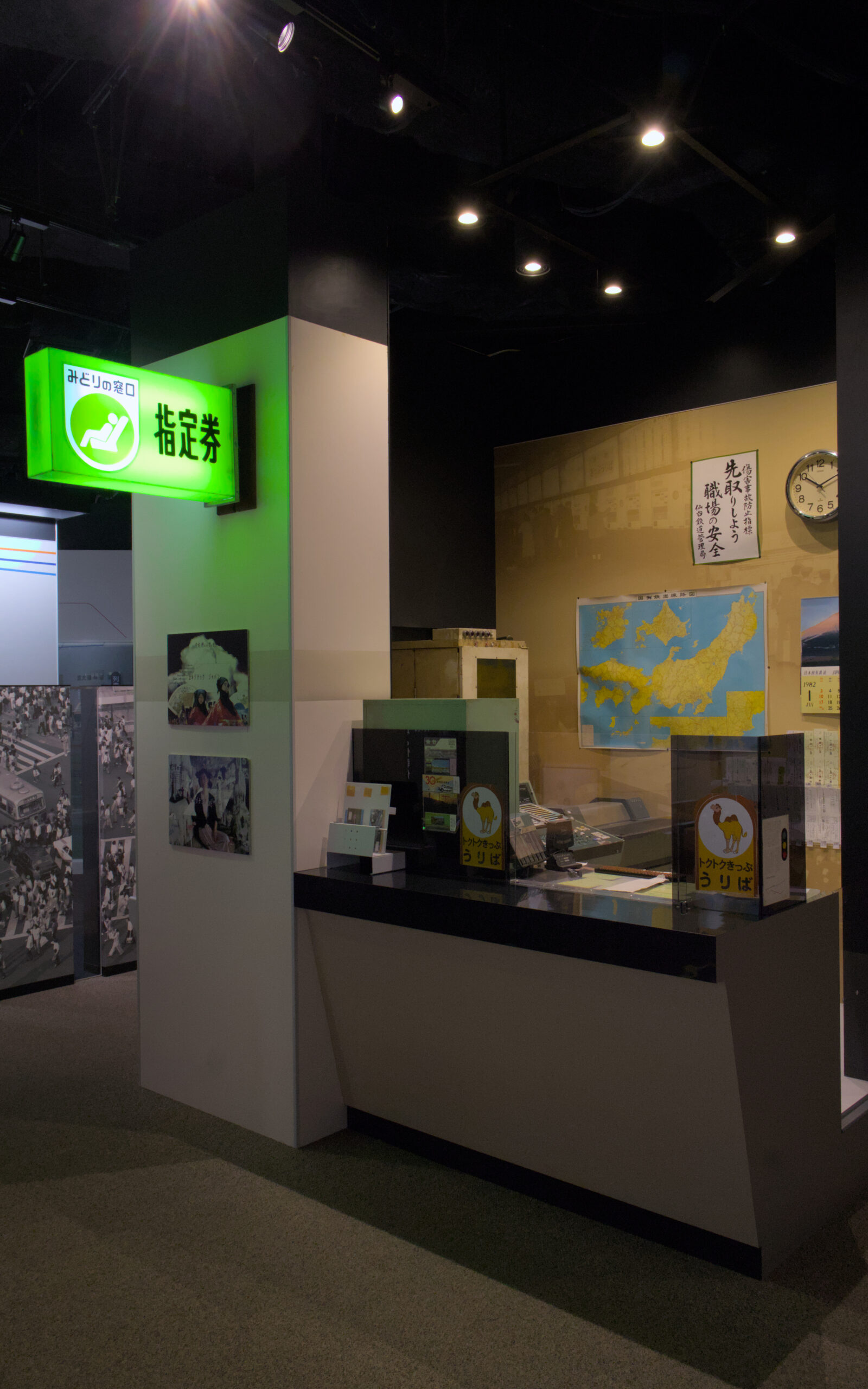
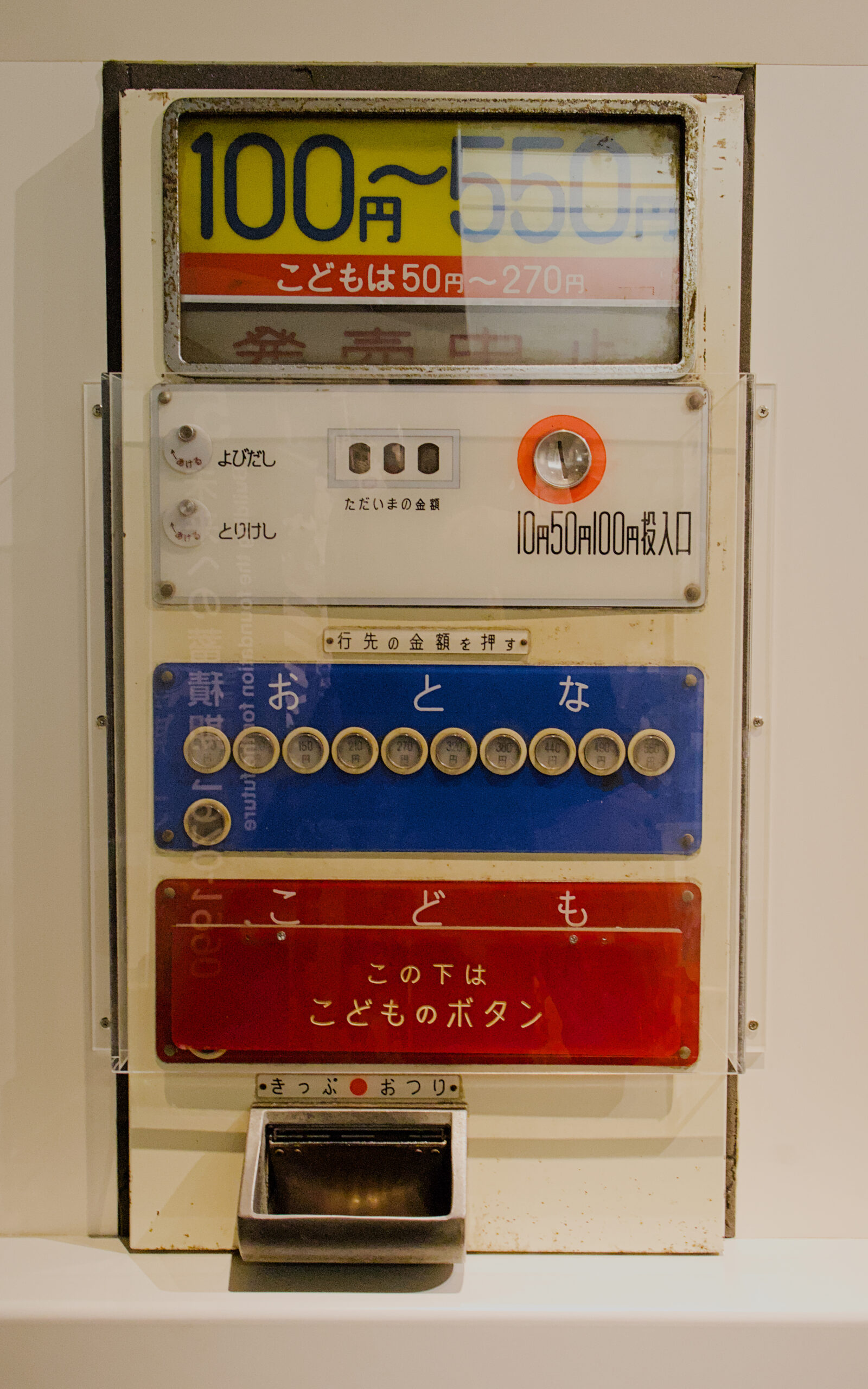
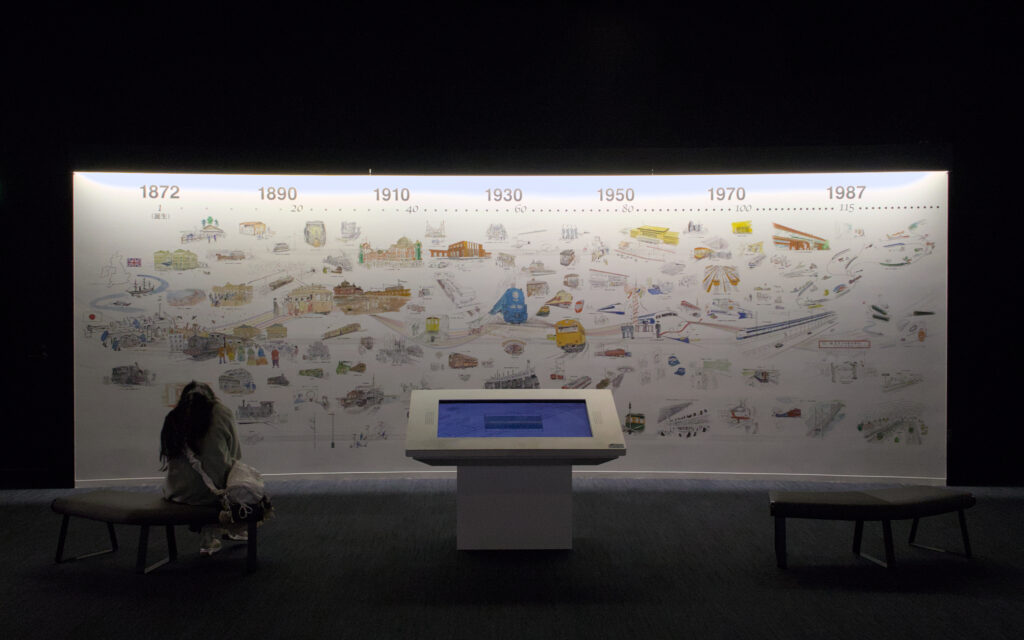
Taking up a huge, free-flowing circular space, the History Station takes a more personal, human-sized look at the history of Japanese train stations and the workers and engineers behind them.
Pen and paper tickets and schedules, ticketing machines, PSA posters – there’s tons of old-school rail paraphernalia to gawk at here. Even old station counters are lovingly recreated to transport you back into each respective era of Japanese rail, whether it be vermilion-red Meiji cages, faux-marble Showa desks or the modern glassy prison visit-room chic.
Rail Views & Chill

Need to decompress after all those trains? The Omiya Railway Museum has multiple spots to chill at or, if you’re lucky, do some trainspotting!
Located on the 4th floors of their respective buildings, the Train Terrace (South Building) has a spacious outdoor deck with an indoor restaurant while the Panorama Deck (Main Building) has a 300-degree view of the train tracks that wrap around the museum. On good days at the Train Terrace, you can even spot the tiny silhouette of Mount Fuji!
Make sure to visit the Shinkansen Lounge at the 3rd floor of the Main Building too. It offers a near eye-level view of Shinkansen and New Shuttle trains whizzing by.
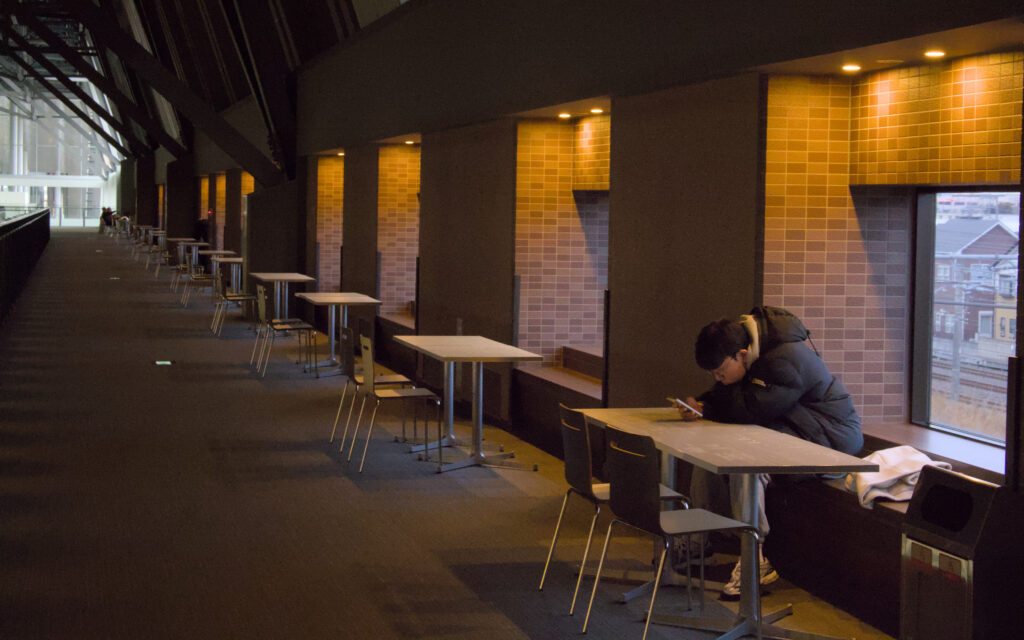
No worries if the weather doesn’t hold up, because the Main Building has plenty of cozy rest cubicles with open windows facing towards the train tracks.
For those who want some eats, the classy, train-themed Nippon Shokudo awaits you at the Main Building’s second floor.
Science & Storage
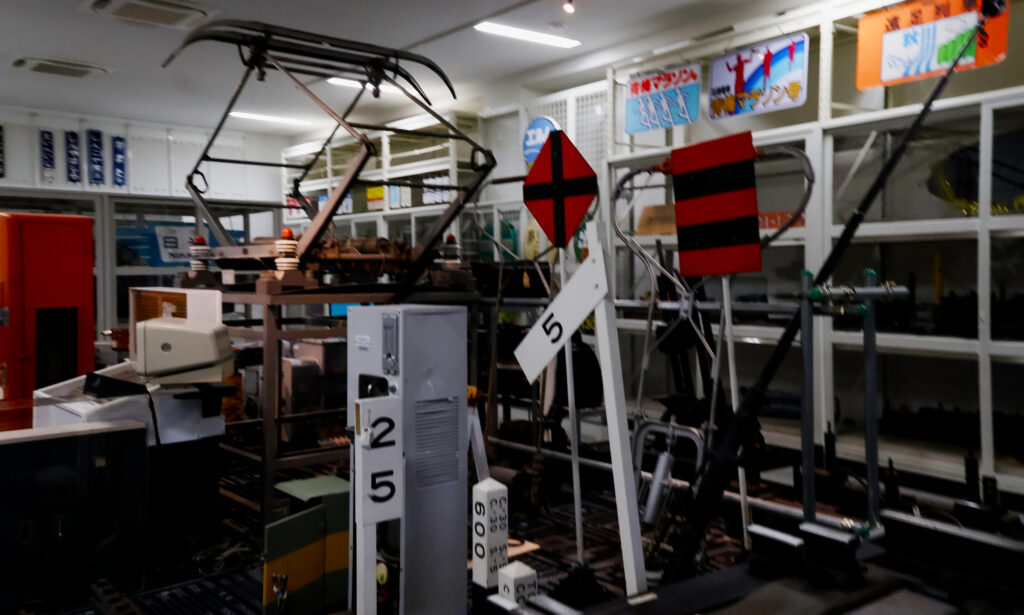
Doubling back to the Main Building, the second and third floors are home to the museum’s Science Stations. The second floor has an archive, gallery, theatre and even a library for the truly hardcore rail fans. Meanwhile, the third floor explores the scientific principles behind trains via interactive exhibits that are very much kid-friendly.
Speaking of kid-friendly…
Trains For All Ages

While I visited Omiya-Saitama Railway Museum over the winter – while surviving with these winter layering tips – I saw many families with happy kids strolling about.
Plenty of convenient elevators for strollers and wide walkways for easy stroller use (save for some trains) meant the museum was more than welcome to families with young kids, making for a surprisingly cheery atmosphere despite the topic. Now that I think about it, kids do love big machines like trains, don’t they?
Many simulators also openly invite younger visitors to give them a go, but if they can’t score a spot or get tired of waiting, there’s still playgrounds and play spaces throughout to keep them entertained. Most of the bigger spaces are located near the Kid’s Plaza, which boasts a polka-dotted 103 Series train and a café.
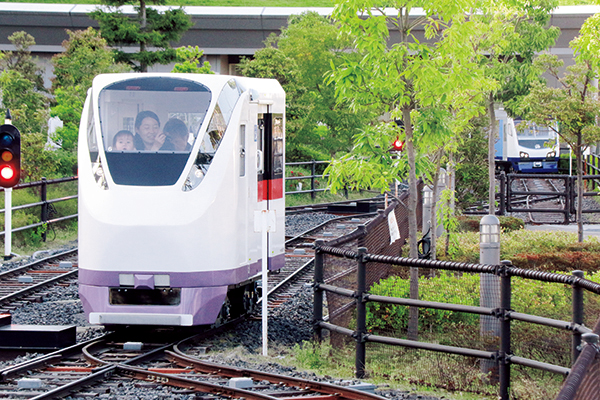
As if that wasn’t enough, there’s also an entire Miniature Train Course that lets kids and the young-at-heart pilot a mini train through a 300m track with fully functioning signals! But remember – it’s raffle only!
Lastly, tucked behind at the very end of the train course are the KiHa 11 and DD13 diesel locomotives!

Once you’re done exploring, make sure to stop by the Gift Shop too. Miniature trains, railway maps, keychains and even plushies await! Make sure to save some cash for some anime and manga goodies in Akihabara and Ikebukuro!
So, is the Omiya-Saitama Railway Museum worth visiting?

Absolutely.
Rail fans and trainspotters will have a field day seeing all these machines up close alongside tons of supplementary material and galleries.
Families with kids are also more than welcome with tons of kid-friendly facilities and exhibits.
Even for those who aren’t big railheads, just getting to pose inside both classic and modern trains is an awesome way to spend a few hours while getting out of crowded Tokyo.
Still, if you’re willing to spare a few days, the chill towns, temples and nature of Nikko are well worth a visit. In fact, I had a two-day winter adventure in Nikko right after my trip to the Omiya-Saitama Railway Museum! For some more local flavour, there’s also our Ultimate KTM ETS Travel Guide!
If you’re a museum fanatic, make sure to check out our list of the 8 Coolest Space and Aerospace Museums around or UNESCO’s list of stylish museums!
More to See
The Railway Museum is quite far from central Tokyo while the relative lack of nearby attractions makes it a hard sell for a day trip. Here are some ideas to it a little more worthwhile:
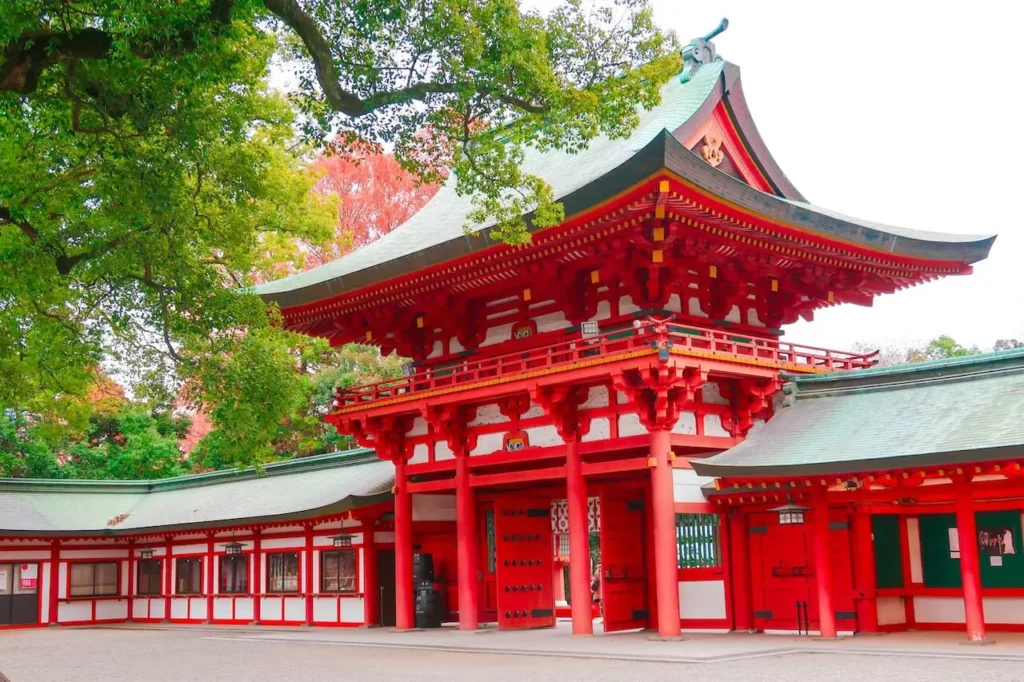
Nearby, there’s the Musashi Ichinomiya Hikawa Jinja Shrine, a massive shrine complex enveloped in greenery that. The neighbouring Omiya Park is also great for strolls while at Lake Funeasobi-no-Ike you can rent paddle boats for joyrides.
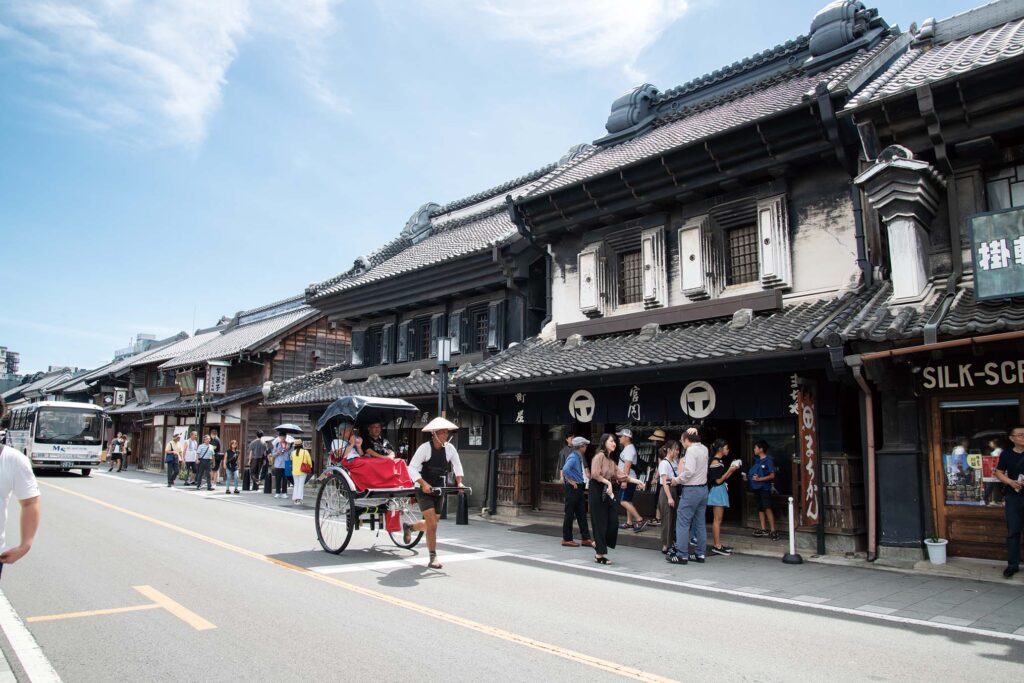
If you leave the Railway Museum early or are staying a night in Saitama, Koedo Kawagoe -a historic Edo-era street – is an excellent second stop that’s 40 minutes away by public transit. However, with a 1.5 hour trip back to Tokyo, I highly recommend you stay somewhere nearby.
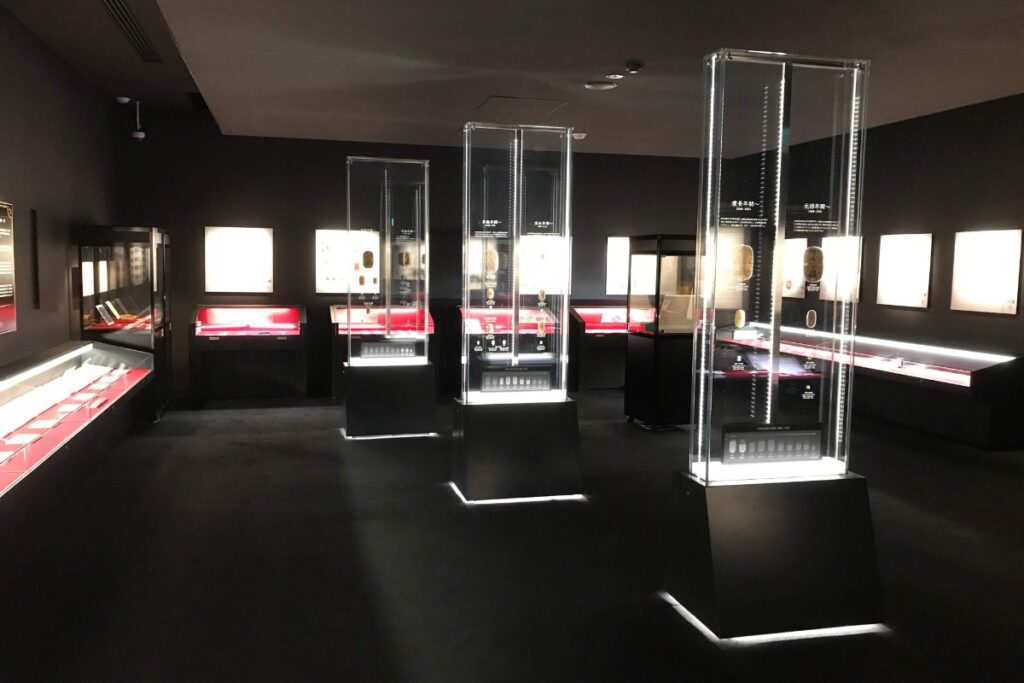
For those who prefer to head back to Tokyo, try stopping by the Cocoon City shopping mall and the Saitama Mint Museum (free entry) on the way back. Both are close to the Saitama-Shintoshin Station one stop away and are great stops to pad your Saitama day trip.
More Japan Rail Museums
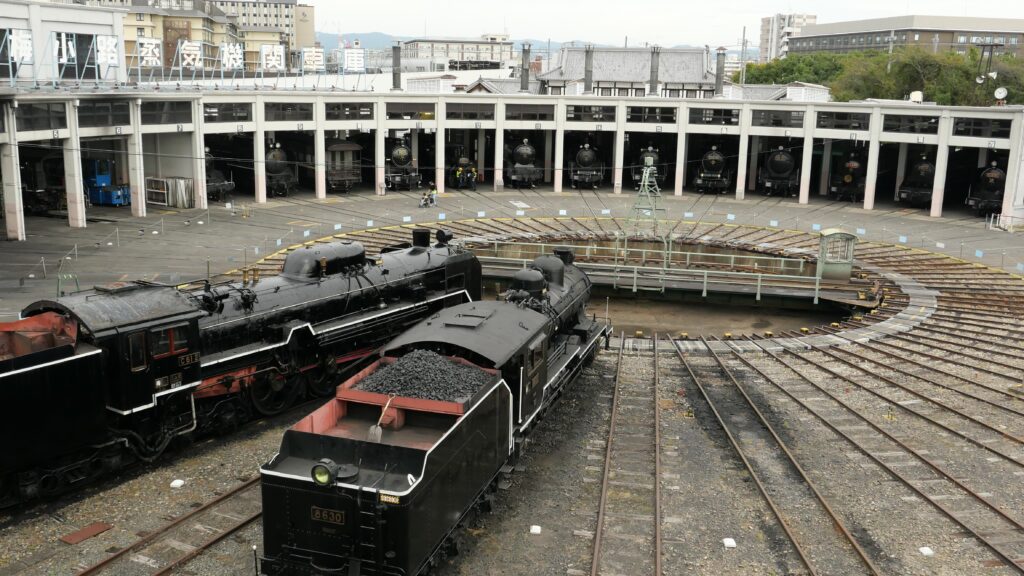
Kyoto Railway Museum: A rival railway museum in the western Kansai region. It features a whopping 54 rolling stock exhibits, with almost 20 of them being steam locomotives stored in an impressive roundhouse platform outdoors. You can even ride a working steam locomotive! (Official Website)
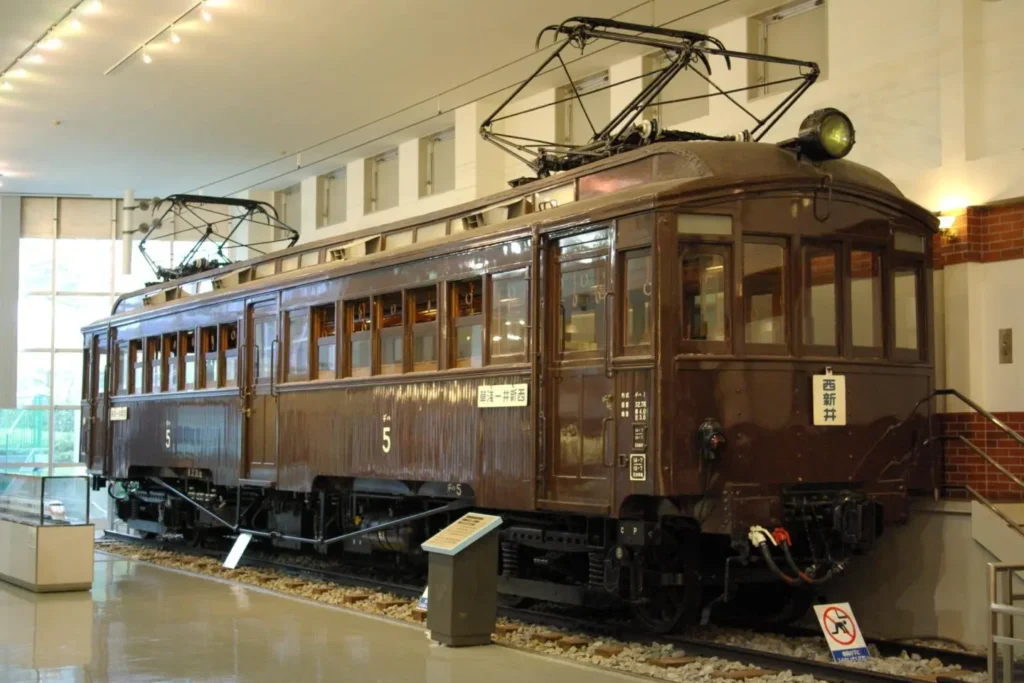
Tobu Museum: Located 30 mins northeast of central Tokyo, this museum features multiple exhibits from the Tobu Railway company. (Official Website)
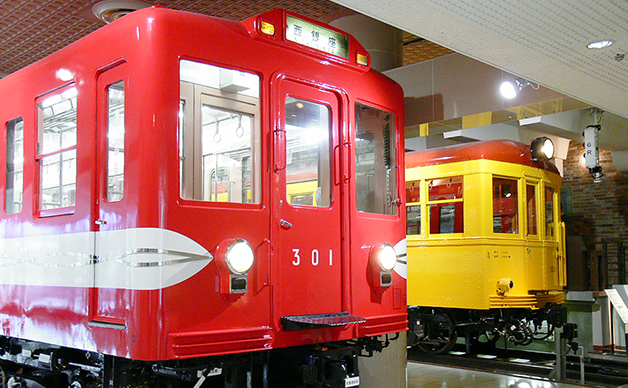
Tokyo Metro Museum: Museum dedicated to the subway trains of the Tokyo Metro company. Just 24 mins east from Tokyo Station. (Official Website)
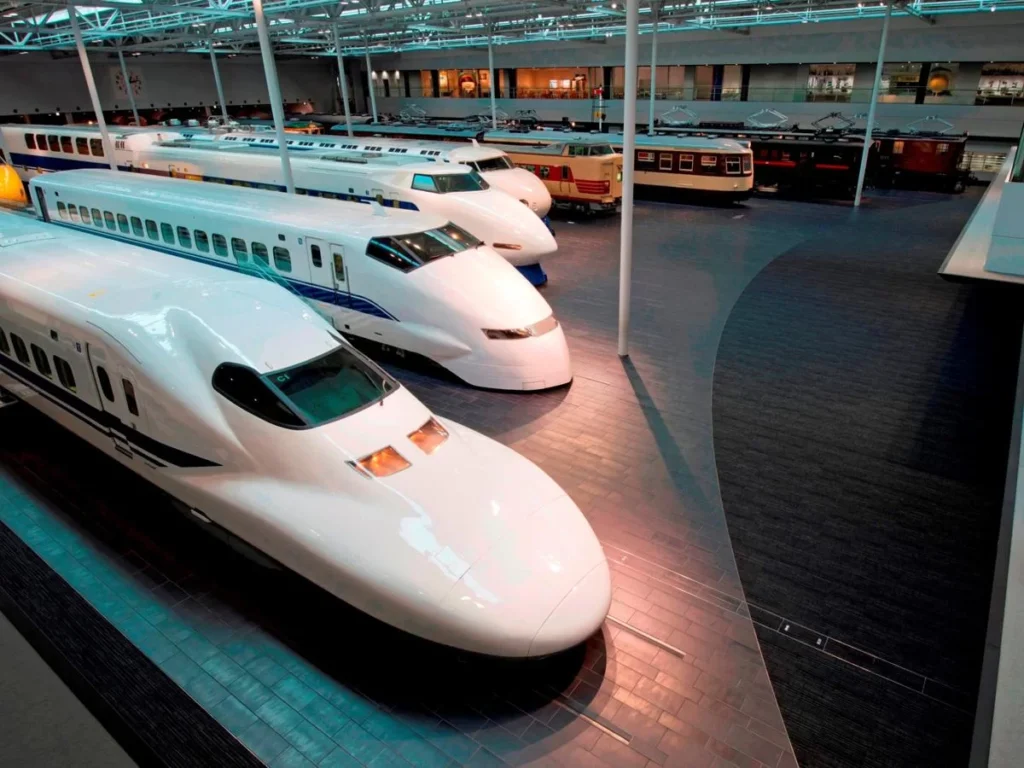
SCMaglev and Railway Park: Built on an island just south of Nagoya, this museum focuses heavily on Shinkansen rolling stock alongside other electric and steam locomotives. (Official Website)
Links
Saitama-Omiya Railway Museum
https://www.railway-museum.jp/e
Omiya Railway Museum Events
https://www.railway-museum.jp/e/event/experience.html
Railway Museum Brochure & Map
https://www.railway-museum.jp/pdf/flmap_eng.pdf
Tokyo Keizai – Trains in Movies (Japanese)
鉄道が登場する映画は今も昔も「名作揃い」だ 寅さんや高倉健主演作…日本映画の名場面
https://toyokeizai.net/articles/-/151243?display=b

