
Xinjiang is a land famed for its gorgeous mountains and deserts, groups of diverse peoples and…great food?!
Though not as potent as Sichuan’s mala pepper inferno or as famous as Guangdong’s diverse dim sum, Xinjiang’s culinary tastes and traditions still manage to carve their own niche out in the far western frontiers of Chinese cuisine.
As a crucial conduit on the Silk Road, Xinjiang has long connected goods and ideas between Asia and Europe. Thanks to this ancient highway, Xinjiang’s cuisine is a hearty Central Asian mix of Turkish, Chinese and Russian influences.
Far from the stereotypical steppe diet of dairy, Xinjiang’s Uyghur foods can be surprisingly nuanced and complex, with eggs, peppers and even breads featuring prominently.
Curious about the foods of this little-known slice of China? Then read on!
Polo Pilaf
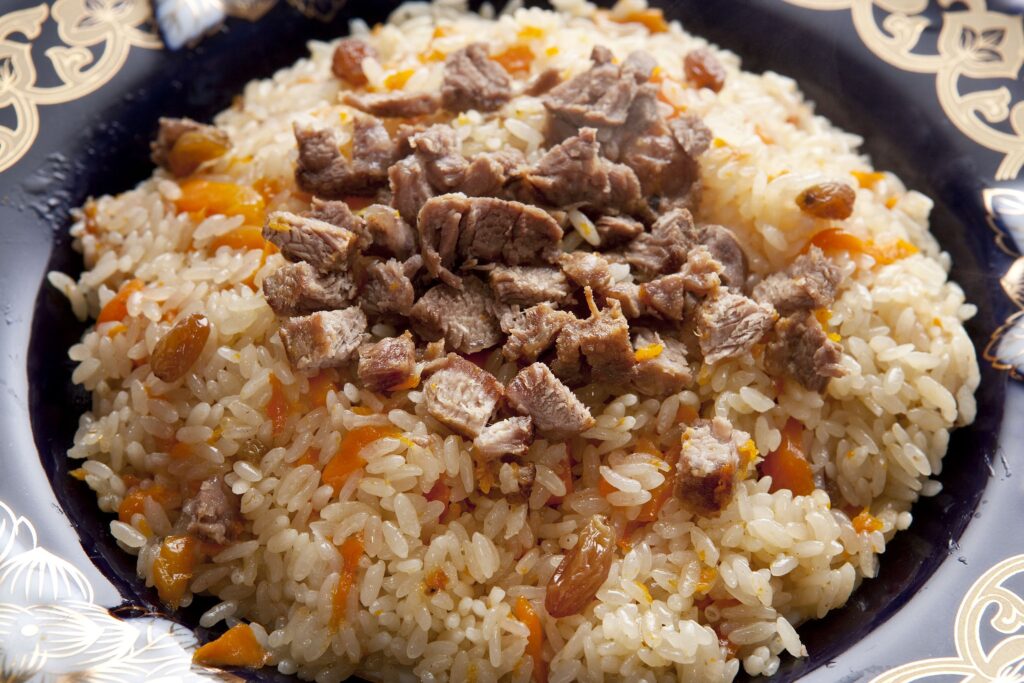
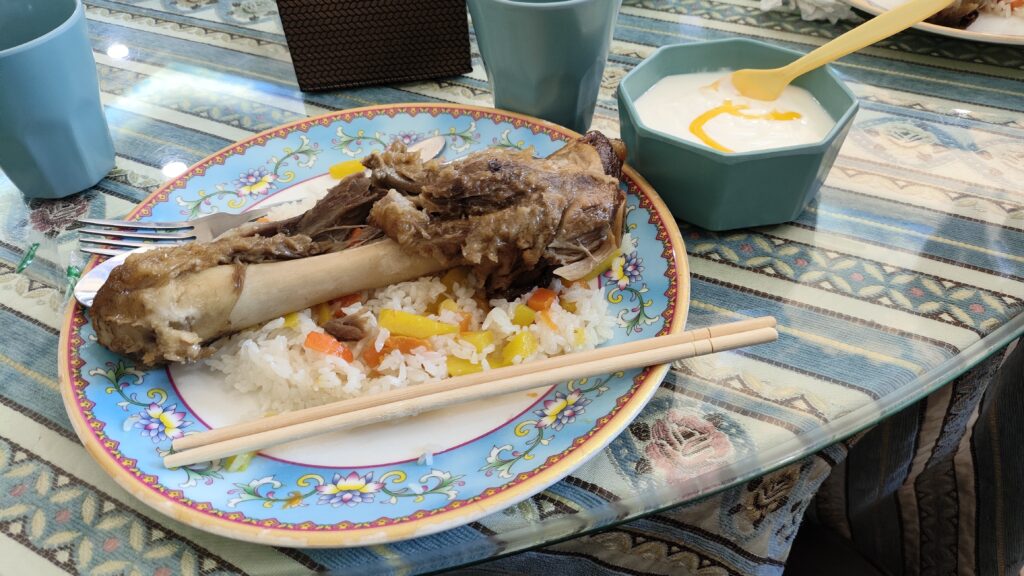
Everything goes great with rice, and looking at polo pilaf, I’d say that Uyghur chefs are inclined to agree!
A Xinjiang spin on the widely beloved rice pilaf, polo pilaf is prepared by cooking rice with meats like mutton and sometimes beef, in accordance with the Uyghur community’s halal diet. This rice is then paired with a whole smorgasbord of spices and ingredients like carrots, cumin, garlic, ginger and onions.
The result is a mouth-meltingly buttery rice infused with a delicious lamb flavour. As if that wasn’t enough, the caramelized carrots, punchy spices and even apricots or raisins manage to temper the oily rice just enough to leave you begging for more.
And of course, who could forget the meat! The mutton in polo pilaf can be served with entire lamb legs for that authentic Uyghur experience or served diced if you prefer convenience.
Where to Try: If you find yourself on the way back from Kanas Lake around the city of Karamay, definitely stop by Awudan’s Roast Lamb (阿吾丹的烤羊), which serves some good old fashioned polo pilaf served with a giant lamb leg.
Kebab and Meats
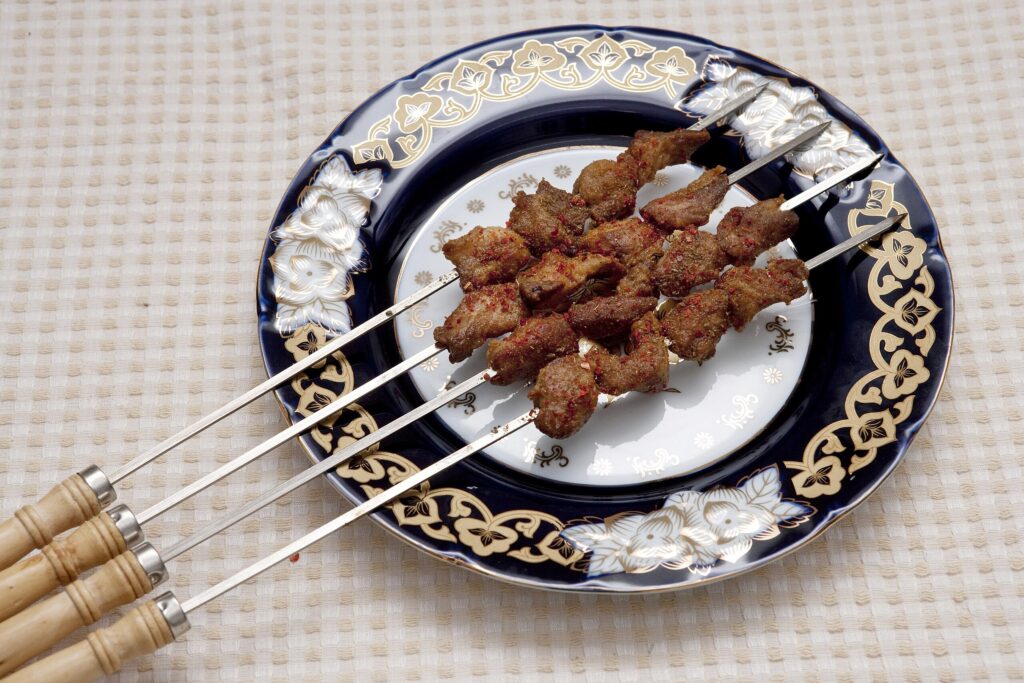
Spend enough time around your local pasar and you’ll know Malaysians love their satay. Turns out, so do the Uyghurs!
Likely brought along the Silk Road from Muslim travellers, the humble yet enduring chuanr (串儿) kebab is a staple among the many peoples of Xinjiang. Consisting of skewers lined with chicken, beef or lamb – lamb is the Xinjiang favourite – they are usually roasted on simple rectangular charcoal grills right as you order.
Compared to the Malaysian satay with their all-meat skewers, Xinjiang’s kebabs are roasted with pieces of fat in-between the actual meats to prevent them from drying out under the intense heat. The result is a kebab that locks in all the savoury juices and smoky aroma while giving you a nice crunchy caramelized texture. Don’t forget to catch all of those juices with some nan bread!
And sticking with Xinjiang tradition, there’s always a decent helping of sesame oil, cumin and black/red pepper involved when marinating or seasoning the meats – giving the already savory meats a memorable Central Asian flair.
Where to Try: Follow your nose around lunch or dinnertime. It’ll eventually lead you to a kebab stall at a market or a restaurant serving one!
Nan
If this Uyghur dish sounds familiar to Malaysians, that’s because it is!
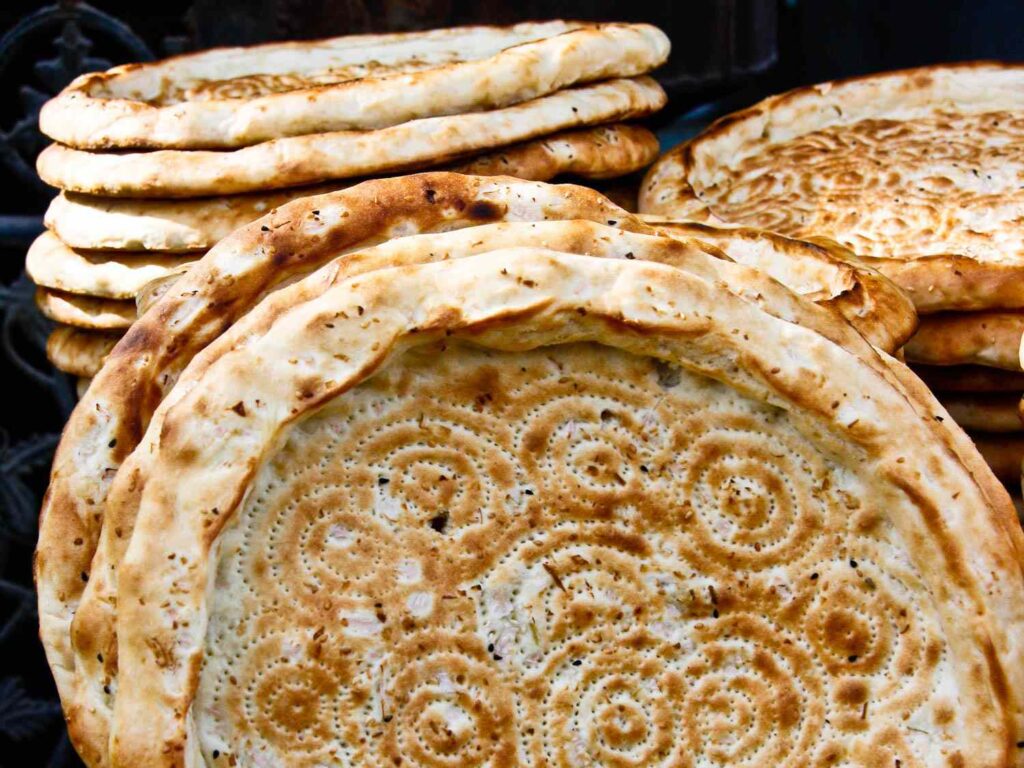
Nan or 馕 (náng) in Chinese, is basically the same old naan flatbread we all know and love, but with a distinctly Central Asian twist.
To start, nan is kind of a catch-all name that lumps together breads with a similar circular shape in Uyghur cuisine. There is the thinner, familiar hemek nan bread on one end, but there are also thicker, bagel-like versions called toqatch nan. Regardless of their shape though, most of them are baked in unique pot-shaped clay ovens called taur, aka tandoor. Sound familiar?
Unlike their Malaysian counterparts, nan are typically sprinkled with toppings like sesame seeds. They are also decorated with pointy stamps called durtlik which, besides giving the bread a beautiful flair, also prevent the dough from expanding by letting air through the holes.
Typically served piping hot from an outdoor stall in the cold or in a cozy indoors restaurant, these Xinjiang staples are a great teatime snack or even a whole meal. Fluffy, chewy and not too hard on the teeth, they’re a great pairing when dipped in soups, milk or tea, adding a bit of buttery warmth to the whole affair.
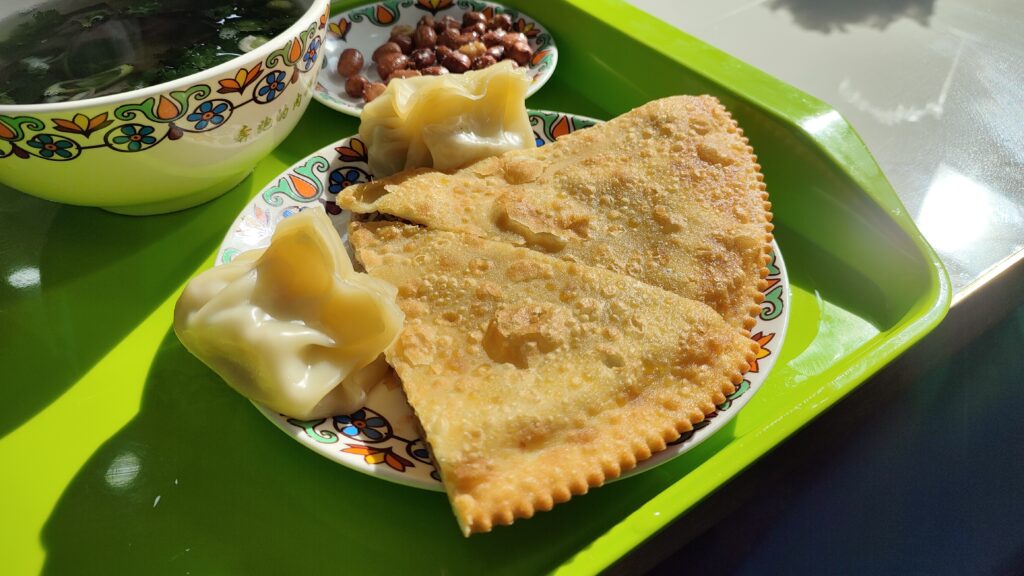
Where to Try: Basically anywhere with enough space and demand for a stall! Markets, restaurants, even highway rest stops – it’s pretty hard NOT to find nan anywhere in Xinjiang.
Laghman
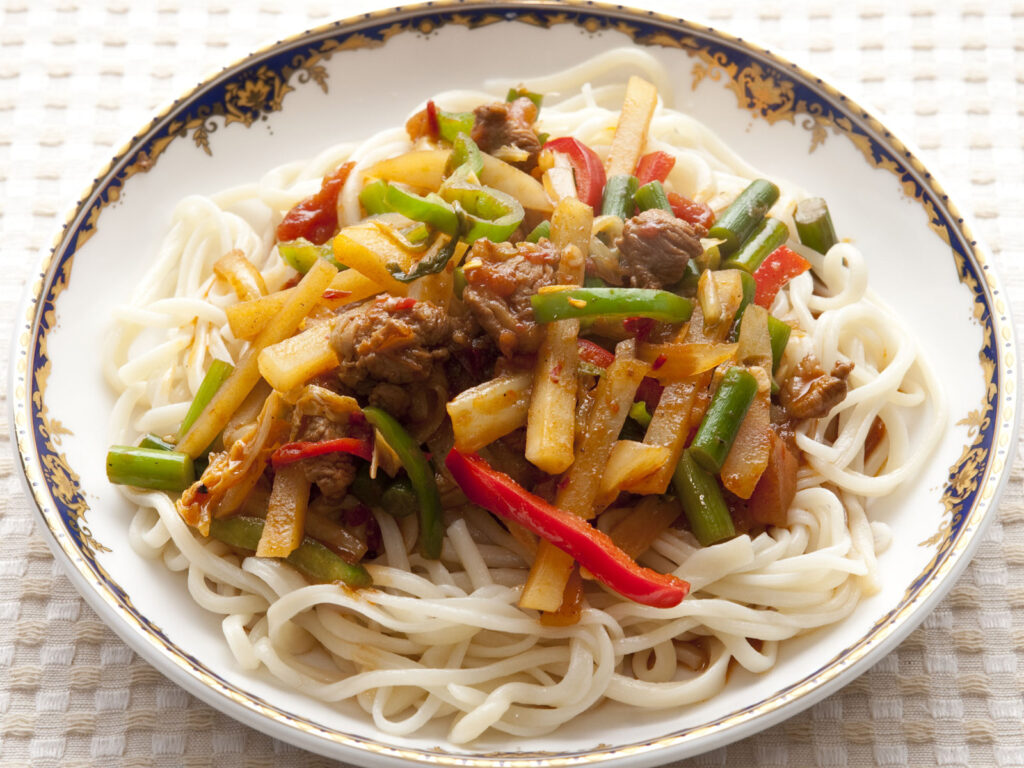
Noodles? In Xinjiang? It’s likelier than you think!
Laghman is a wheat noodle dish akin to Lanzhou beef noodles or udon. Made from wheat instead of the common rice flour, their length and thickness make it the perfect noodly medium to slap on a strong stew on top too!
A good bowl of laghman starts with some painstakingly handmade noodles, which involves stringing noodles between two hands before whipping them onto the table, sometimes with multiple rounds of noodle-boiling and whipping in between! (See this demonstration by Uyghur chef Dolan Chick) This thins the noodles just enough while removing excess moisture, giving the final laghman noodle a nice, dry texture!
As for the stew, its ingredients will almost definitely include bell peppers, tomatoes, garlic and maybe even some slices of prime Xinjiang lamb and beef. Seasoned with an array of spices, the bright orange-red stew forms the backbone of laghman’s spicy-sour goodness.
Just look at the pearl-white noodles peeking out from underneath the vibrant, red stew – is there a more appetizing sight than that?
Where to Try: Most sitdown restaurants will have laghman on the menu. But if you’re in the capital Urumqi, try a place called the Tianmao Grand Canteen (天毛大食堂). Based on reviews on Youtube and Douyin/Tiktok, they serve pretty sizable portions of meat while offering noodle refills!
Yoghurt
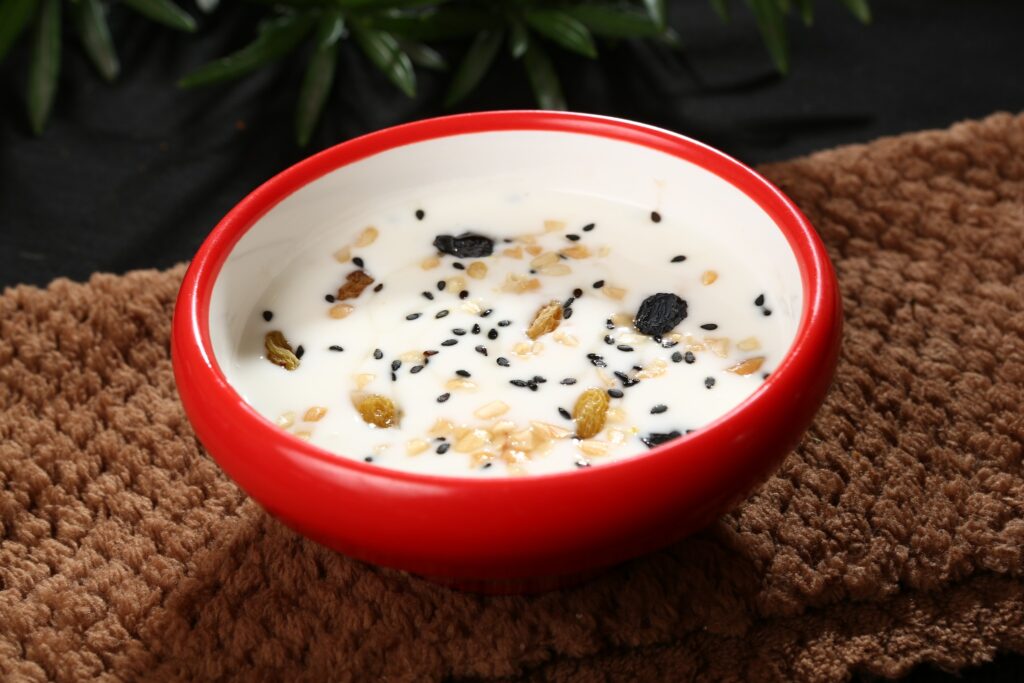
Once you’ve had your fill of hearty meats and thick sauces, your last stop should be a classic Xinjiang dessert – yoghurt!
Thanks to its large amount of pasture and farmland, Xinjiang’s livestock and dairy offerings are bountiful. This has resulted in dairy products such as yoghurt playing a prominent role in Xinjiang cuisine.
Famed for their nutritional value and sour punch, Xinjiang yogurt also comes in all sorts of shapes and serving styles.
There’s yogurt mixed with shaved ice, sugar and honey called doghap, a sweet soupy palette cleanser. Far west in Kashgar, there’s also zongza, which has a flattened date slathered in a yogurt curd and topped with some brown sugar syrup.
Or, you could simply enjoy a simple bowl of Xinjiang yogurt with its soft, fluffy texture and premium milky goodness.
Where to Try: Other than your usual stalls or restaurants, the Tianrun brand of yoghurt comes in sealed flexible plastic bottles that can be stuffed pretty well in luggage. In terms of texture, Tianrun yoghurt is right in the middle – thicker than milk, but not as thick as traditional supermarket yogurt.
Still hungry for more Xinjiang? Then check out our 10-day journey into Northern Xinjiang or our look at the Top 5 Natural Wonders of Northern Xinjiang. Or, if you’re feeling seasonal, read our list of 8 Crazy Diverse Asian Winter Foods!
Sources
China & Asia Cultural Travel – Xinjiang Cuisine
https://www.asiaculturaltravel.co.uk/xinjiang-cuisine/
Serious Eats – Dispatches From the Silk Road: The Must-Try Uyghur Food of Kashgar
https://www.seriouseats.com/kashgar-uyghur-cuisine-silk-road-best-bites-travel
Dolan Chick – Polo Pilaf Recipe
https://www.dolanchick.com/blog-uyghur-food-recipes/king-of-the-uyghur-table-polo
Tsquare Photography – A Street to Eat
https://herotraveler.com/Tsquare%20Photography/story/a-street-to-eat
Atlas Obscura – Chekich Bread Stamp
https://www.atlasobscura.com/foods/chekich-bread-stamp
Omnivore’s Cookbook – Kebab Recipe
https://omnivorescookbook.com/xinjiang-lamb-skewers


