
Colourful yee sang, yummy pastries and bakkwa jerky – many of these Chinese New Year dishes are popular if not exclusive to our little slice of ASEAN.
So, here’s an interesting question, what do our neighbours eat for CNY aka Lunar New Year?
Here’s a quick taste test of the cool and interesting Lunar New Year dishes of Asia:
Bánh chưng and Bánh giầy (Vietnam)
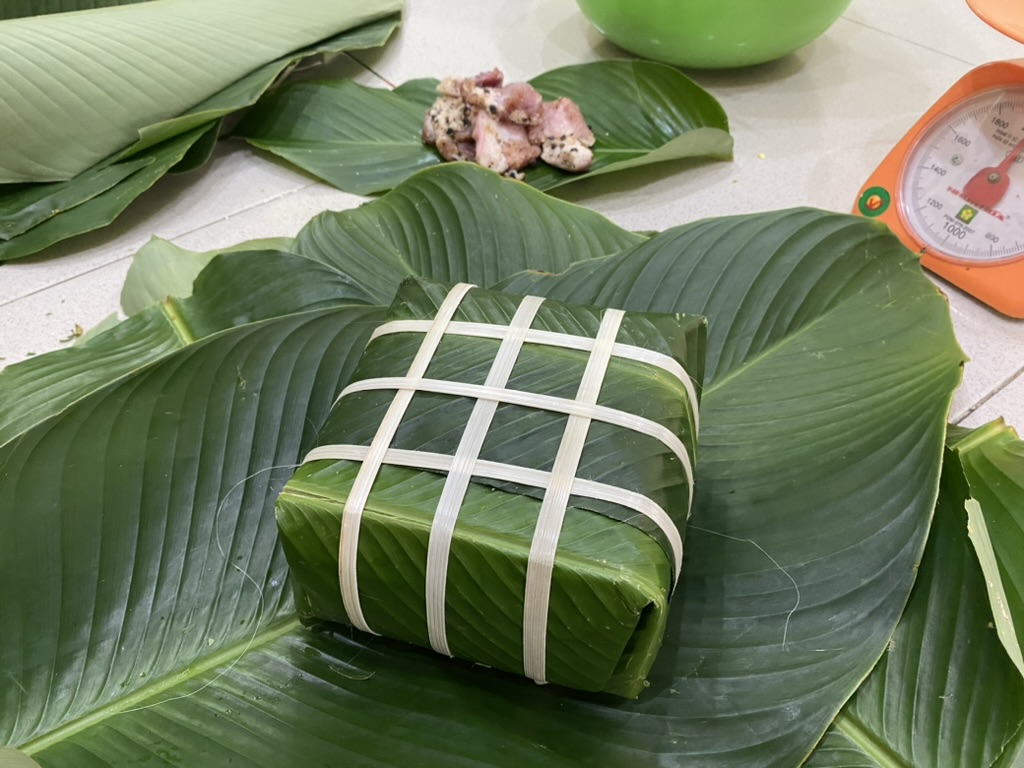
First off, a familiar food in a fresh new shape – square!
The Vietnamese New Year or Tet is often celebrated with bánh chưng – a huge square block of sticky glutinous rice, pork and green onion wrapped in banana leaf.
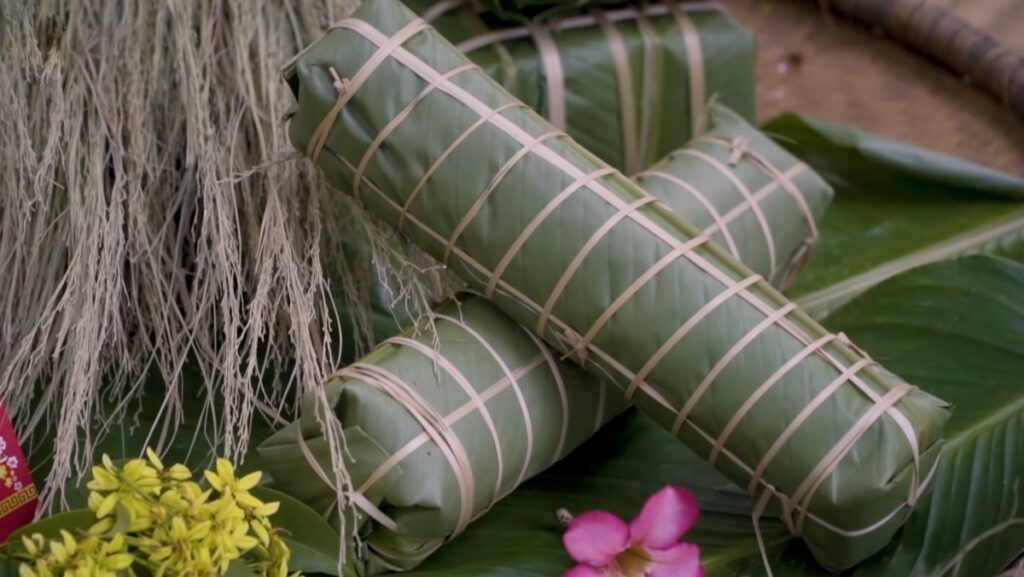
On the other hand, bánh giầy is around or circular glutinous rice cakealso wrapped in banana leaf. They are often served with a pork sausage called giò, making it look almost like a burger!
But why list them in the same entry? And why a square and circle?
Well, legend says that, to impress his father and ancestors, a Vietnamese prince once created the square bánh chưng to represent the earth and the circular bánh giầy for the sky. Thus was a classic Vietnamese dish born!
Ul Boov (Mongolia)
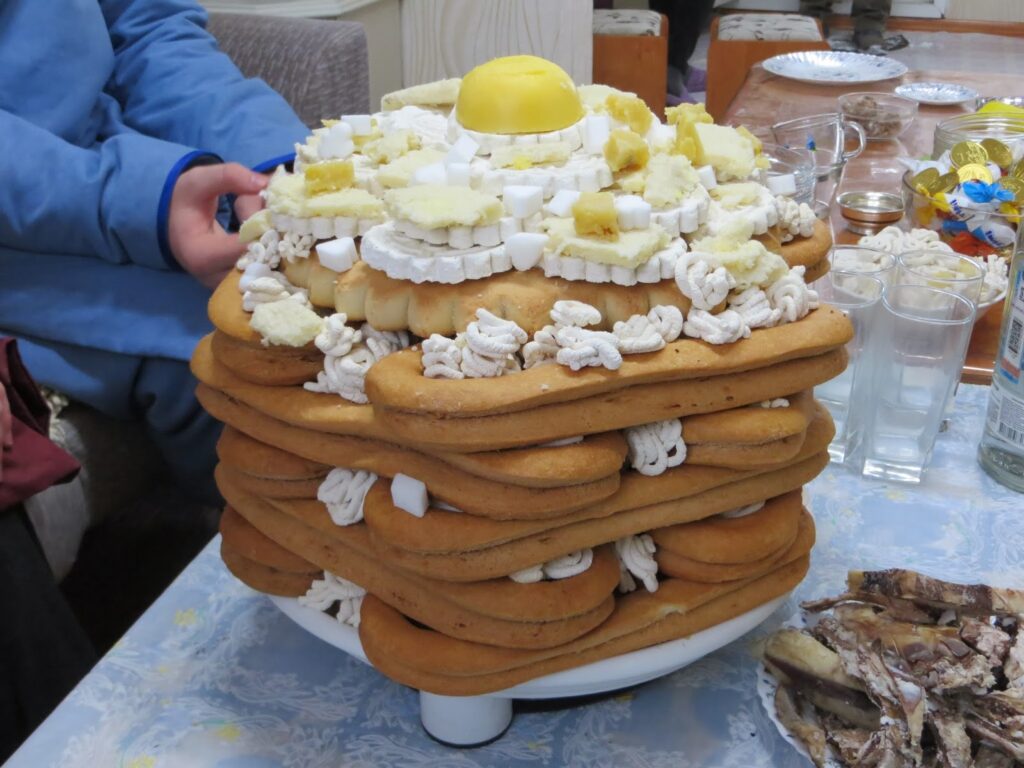
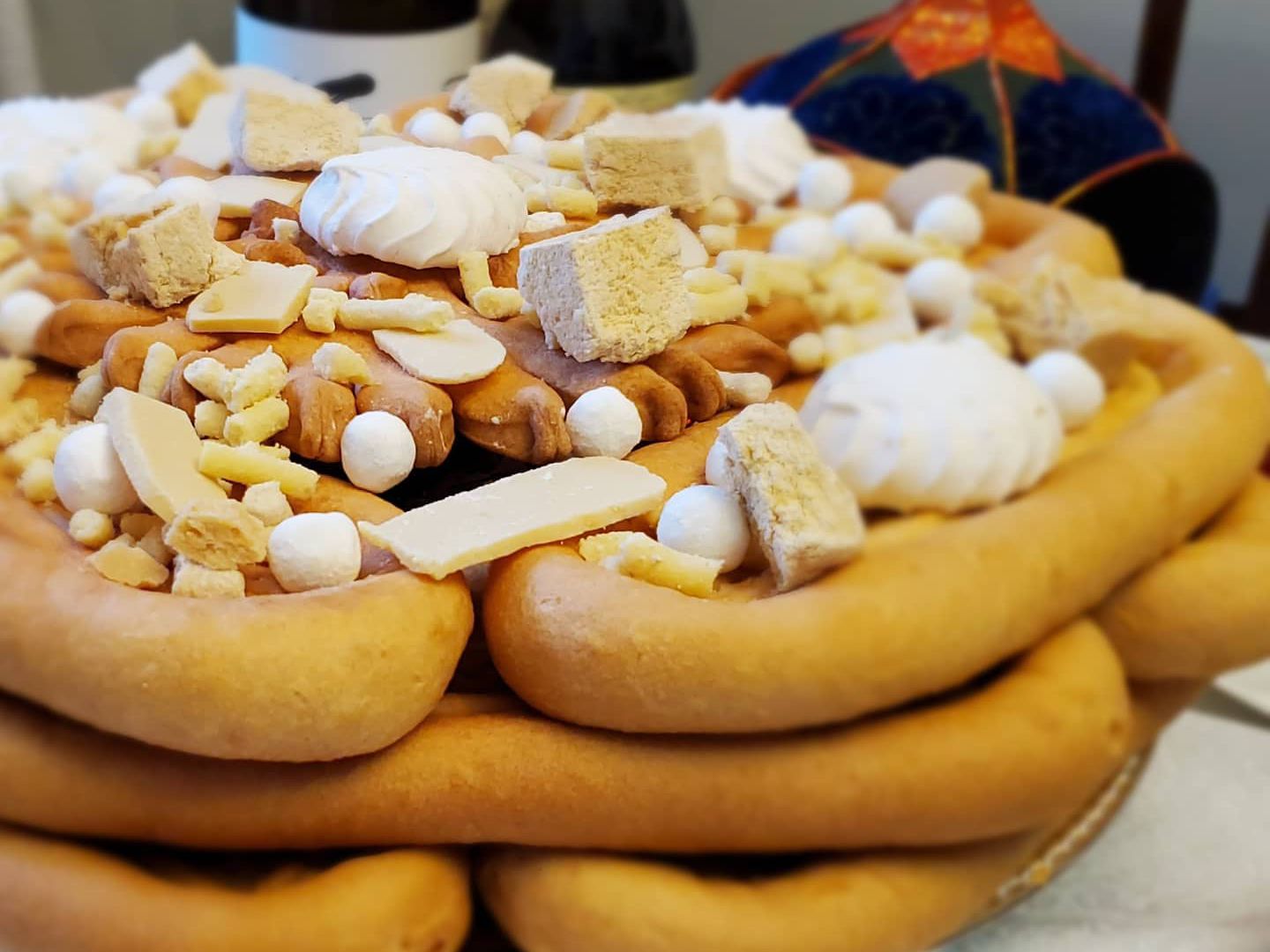
During the Tsagaan Sar or Mongolian New Year, the humble ul boov biscuit arguably takes the cake for the most eye-catching dish.
Despite the simple appearance of these “shoe sole cakes”, each one is actually marked by wooden stamps that can be passed down through family generations.
And when Tsagaan Sar rolls along, Mongolians start stacking ul boov into an enormous pyramid topped with sugar, candies and aarul cheese!
Depending on age, family members take turns stacking a designated number of layers. Sometimes, ul boov is even left uneaten as an offering due to the tradition and effort involved!
For more flavours from the steppe, check out these 5 must-try foods from Xinjiang too!
Tteokguk (Korea)
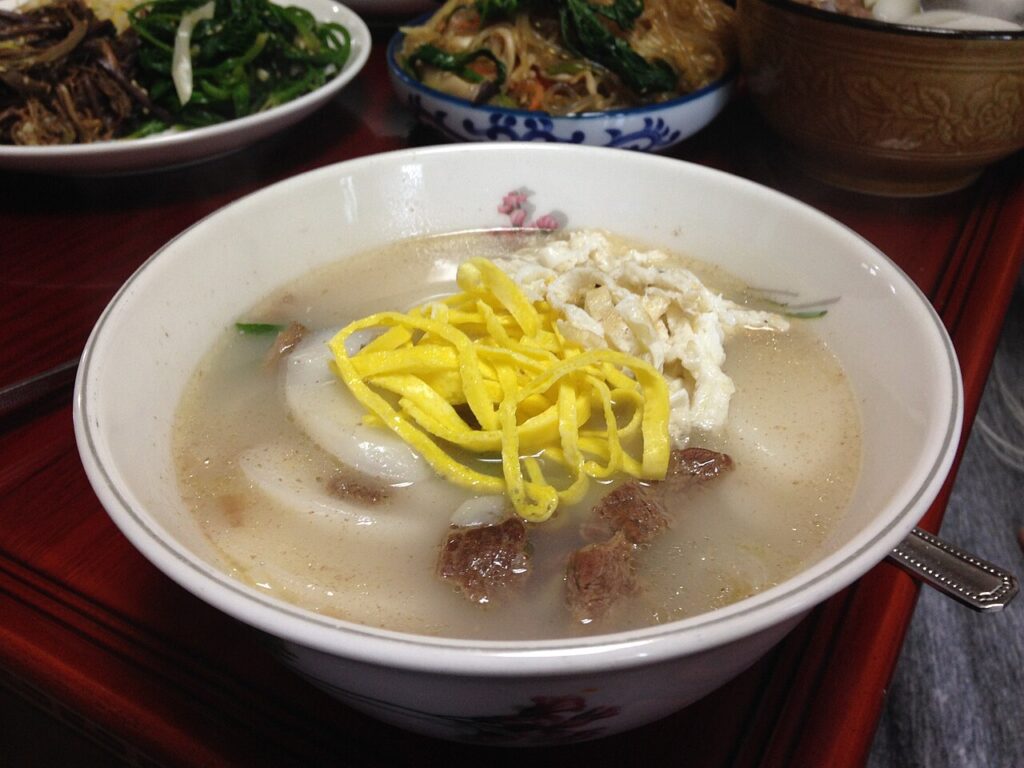
Moving on to Korea, the bitterly cold winters here during the Seollal or New Year’s make the piping hot tteokguk the perfect winter food!
This traditional rice cake comes with egg slices, meat and seaweed – all skilfully boiled inside a savoury cloudy broth.
In fact, tteokguk is believed to grant those who slurp it down a year of life with each bowl. So, for the young at heart, try to avoid binging it if you want to stay young, eh?
Japchae (Korea)
A Korean dish you’ve probably seen around is the shiny, slippery japchae noodles.
These glass noodles are typically prepared with meats, vegetables and a decent topping of soy sauce and sesame oil, giving the dish a glossy, earthy and appetizing look.
Once a dish served exclusively to royalty, japchae is now often served during festive occasions like birthdays, weddings and of course, New Year’s! Almost makes you want to fly over there to celebrate CNY!
Ba Bao Fan (China)
China may be the largest and most famous Lunar New Year partygoer, but it doesn’t mean they still don’t have hidden gems, like ba bao fan!
Ba bao fan or Eight Treasure Rice (sensing a theme with rice?) is a dish of steamed rice pudding topped with eight auspicious ingredients.
The ingredients can include various fruits, nuts and seeds arranged in pleasing patterns, all giving the final product a colourful and inviting finish. You might need some refreshing Tsingtao beer to wash all that rich and sticky rice down though!
Huamo (China)
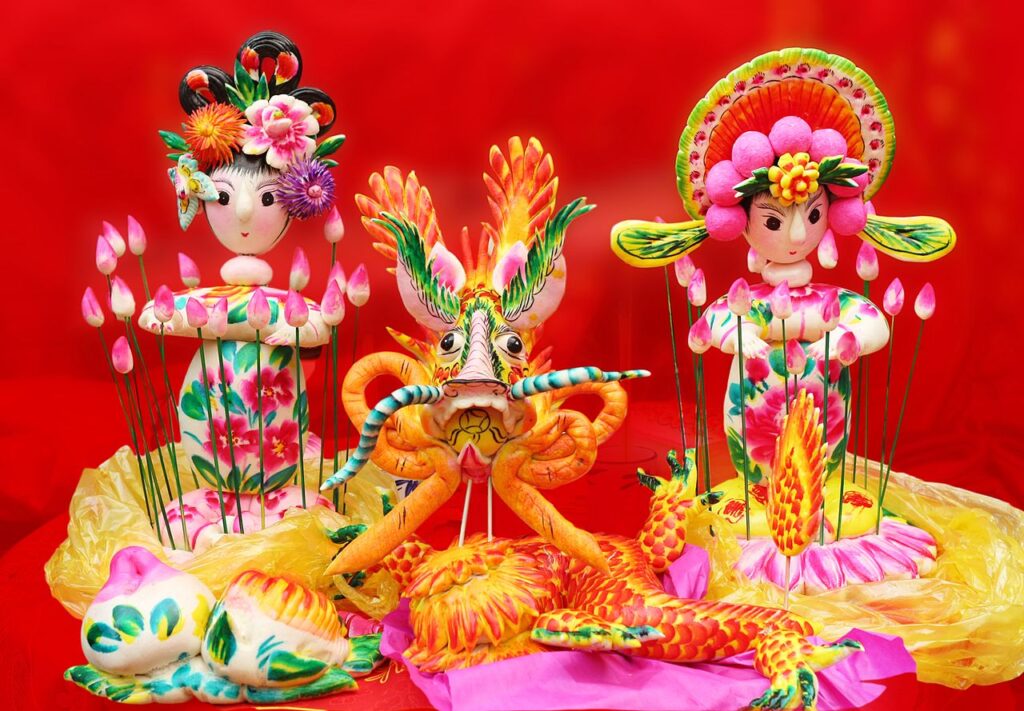
Hailing from the folk traditions China’s inland Shanxi province, huamo or “flower buns” are basically just mantou buns decorated with spring flowers like plum blossoms or zodiac animals.
But don’t let it fool you! Although huamo can start from simple buns topped with cutesy animals, some can ramp up to ludicrously elaborate figures and sculptures sporting a dizzying array of colours.
Seriously, some of them look almost too good to eat!
Still hungry for more dishes? Then tuck right in to our spread of Ramadan and Lebaran food, Japanese wagashi desserts or must-try alcohol!
Links
Atlas Obscura – Ul Boov
https://www.atlasobscura.com/foods/ul-boov-shoe-sole-cake
Food52 – A Cake That’s More Spiritual Offering Than Last Course
https://food52.com/story/18471-a-cake-that-s-more-spiritual-offering-than-last-course


