
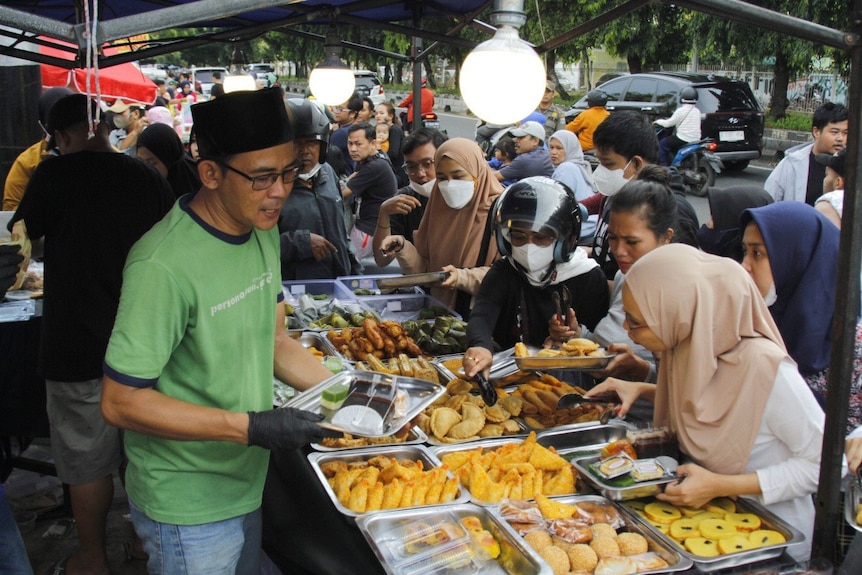
Ever wondered what foods our neighbours in Indonesia enjoy during Ramadan month and Lebaran (aka Hari Raya)?
It may sound like a pointless question, seeing as both Malaysia and Indonesia share many culinary ties, but there are actually many dishes and snacks unique to Indonesia!
Here are some of the most interesting and unique dishes to grace Indonesian plates during iftar:
Opor Ayam
A Javanese staple, opor ayam is a dish of marinated chicken, eggs and tofu simmered within a pot of santan coconut milk infused with various herbs.
Served with rice, it gives a much-needed main dish for dinner, especially during the Lebaran festivities.
Sayur Lodeh
Said to have originated from Yogyakarta, when a king ordered every one of subjects to cook the dish to ward off a plague, sayur lodeh is a veggie-filled fiesta for the hungry.
Featuring a colourful riot of long beans, eggplants and even tempeh submerged in a bright orange-yellowish santan stew, it’s the perfect Ramadan/Lebaran dish for vegetarians!
Kaasstengels
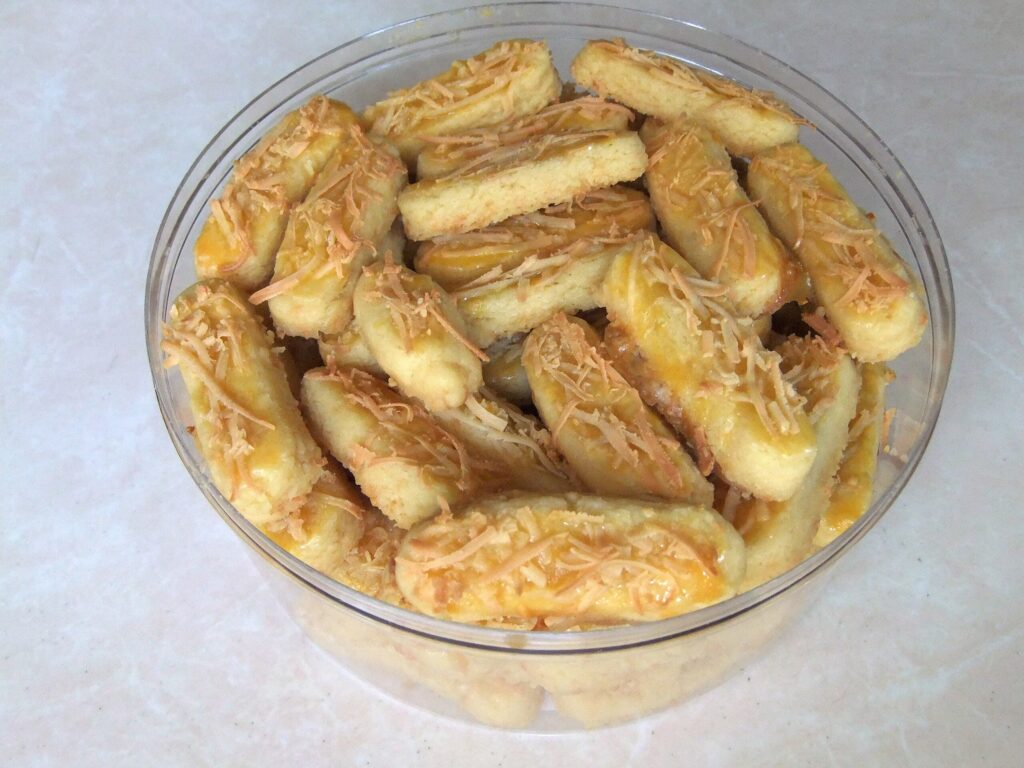
Introduced by the Dutch and then reinvented by Indonesians, the Kaasstengel or Kastengel (“cheese fingers”) is a cookie so salty and savoury that it’s almost sinful!
To make this snack, a mixture of flour, egg yolk and cornstarch, baking powder, salt and cheese is shaped into fingers, topped off with some salty cheese and then baked to a yummy golden perfection.
Putri Salju
Part of the rainbow-coloured family of kue or kuih desserts, putri salju (snow princess) are crunchy crescent-shaped cookies coated in a sugary, snow-white coat.
Great as a dessert or some post-iftar munchies, make sure not to overdo the sugar!
Kue Nastar
Another cross Dutch-Indonesian fusion, kue nastar (nastar being an amalgamation of “pineapple” and “pie” in Dutch) is basically pineapple pastry, but in tiny, golden ball form!
Though most nastar come in deliciously attractive balls slathered in egg yolk, sometimes you’ll see them topped with grated cheese or even have their pineapple filling exposed with a tiny hole, sometimes with a stringy bit sticking out.
Semur
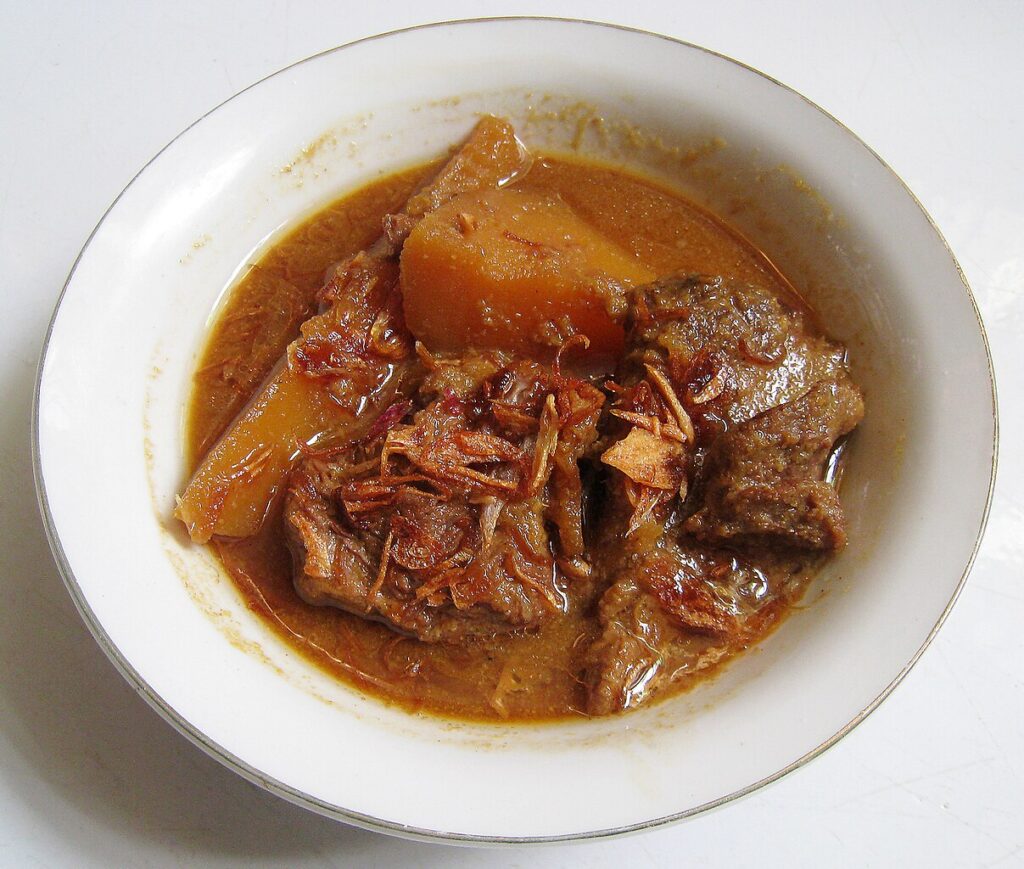
If you can’t take the heat of kari ayam or rendang but still want that rich and savoury beefy texture, then seek out the sweet, dark embrace of semur.
Basically braised beef (smoren in Dutch) and sometimes liver, semur involves an extra good helping of kecap sweet sauce along with some large yet soft kemiri candlenuts.
Lontong Balap
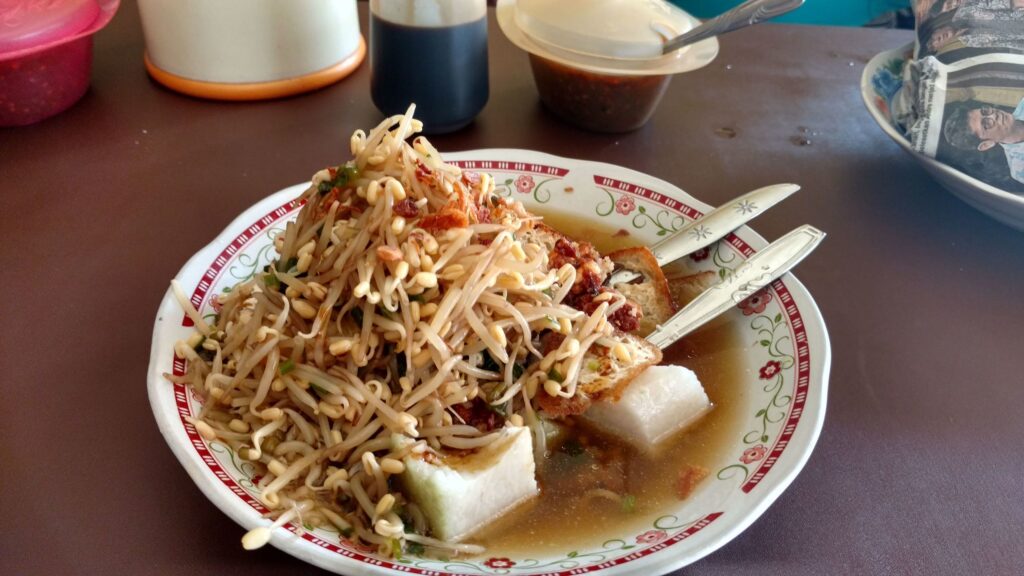
Can’t be bothered to cook more rice for your post-puasa meal? Then make it a part of your dish with the Surabaya classic lontong balap!
Starting from a base of lontong rice cakes, you then add fried tofu, fried shallots, fried lentho peanut cake and an entire mountain of taugeh bean sprouts before soaking it all in beef stock soup – that’s an entire meal right there!
Pallubasa
For a more down-to-earth in the spirit of Ramadan, the Indonesian stew called pallubasa is also a good choice.
Hailing from the city of Makassar in South Sulawesi, this earthy stew was traditionally made from undesirable beef cuts or offal innards cooked in santan. These days, there’s even versions with prime cuts along with lime for that extra kick.
Bebek gulai kurma
A rare departure from the beef staple so common in Indonesian festive cuisine, bebek gulai kurma features braised duck marinated in curry and then soaked in-you guessed it-santan!
What gives this dish that extra special touch though are the kurma dates, which help sweeten it just enough to rouse the appetite.
Barongko
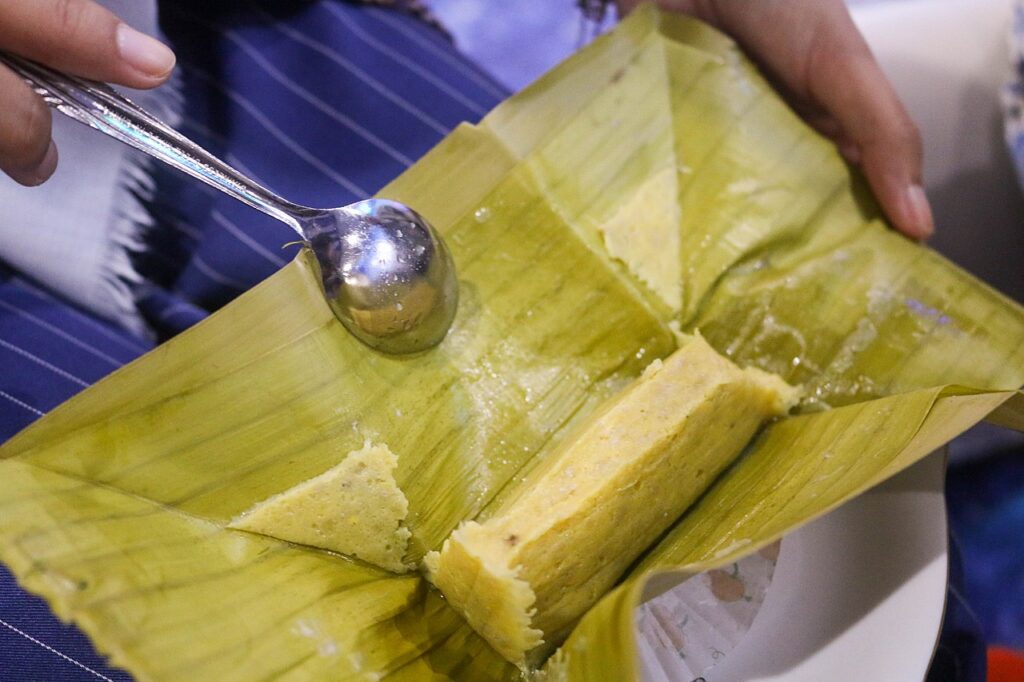
Another specialty from the seafaring Makassar people, specifically the Bugis people, is the barongko.
Made out of steamed banana cake mixed with eggs and santan, the end result is a creamy and sweet dessert that is usually wrapped in banana leaves. Served both cool and hot, it’s a flexible favourite for a Ramadan meal.
Looking for some more exotic post-puasa cuisine? Then consider trying our list of Must-try Foods from Xinjiang, featuring many Uyghur Chinese Muslim classics. Or if want some affordable ramen dipped in a rich halal broth, check out the halal entries on our list of the 5 Cheapest Ramen Restaurants in Kuala Lumpur!
References
BBC – A Javanese dish to banish the plague
https://www.bbc.com/travel/article/20200506-a-javanese-dish-to-banish-the-plague
Brilliant Online – Preserving Tradition Through Flavour: Exploring the Richness of Opor Ayam in Indonesian Culture
https://www.brilliant-online.com/post/preserving-tradition-through-flavor-exploring-the-richness-of-opor-ayam-in-indonesian-culture
The Jakarta Post – Twenties: popular iftar dishes to break the fast
https://www.thejakartapost.com/culture/2022/04/12/twenties-popular-iftar-dishes-to-break-the-fast.html
Wonderful Indonesia – 9 Iconic Ramadan Dishes from Various Regions in Indonesia
https://indonesia.travel/fr/en/travel-ideas/9-iconic-ramadan-dishes-from-various-regions-in-indonesia
Learn Indonesian – What Indonesians Eat During Ramadan and Eid al-Fitr
https://www.learnindonesian.education/single-post/what-indonesians-eat-in-ramadan
Delicious Eid Specialties from Various Regions in Indonesia
https://www.msig.co.id/lifestyle-library/delicious-eid-specialties-various-regions-indonesia


